As children grow, their language development encompasses far more than simply acquiring a vocabulary. They embark on an intricate journey of learning about the world around them, discovering how to socialize with different people, and figuring out how to adapt their behavior depending on the conversation and the broader social environment. These unwritten rules of communication are collectively known as pragmatics, and they vary significantly depending on the developmental stage and the cultural background of the child.
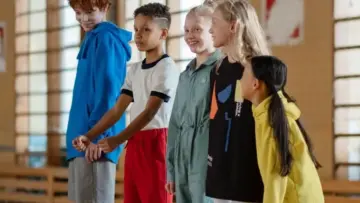
To illustrate, a kindergartener will naturally behave very differently on a high-energy playground than they would inside a structured classroom environment. Similarly, preschoolers growing up in different cultures, such as Japan and France, may experience distinct social communication expectations placed upon them by their surroundings. While the United States remains a rich melting pot of many diverse cultures, extensive research highlights common benchmarks in the overall development of social communication. It is vital to remember that all children develop at their own unique pace; however, the healthy growth of these social skills remains fundamentally important for achieving both long-term social and academic success.
Human communication extends well beyond verbal utterance, and our eyes can reveal a profound amount of information about us. The social use of eye contact is a vital act of communication that can signal whether an individual is genuinely interested or distracted, whether they are telling the truth or being deceitful, and can even suggest how much confidence they feel in a given moment. This is precisely why it is crucial for children to develop communicative competence through appropriate eye contact in order to become better engaged with the people around them.
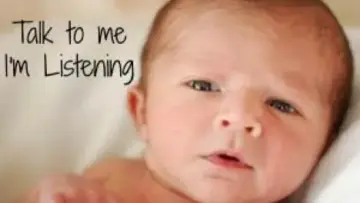
Children begin learning the foundational principles of pragmatics practically at birth and continue to refine and develop these sophisticated skills throughout their entire lives. Within the first year of life, typically developing infants and toddlers naturally demonstrate social communication through eye contact, vocal turn-taking, and facial expression and recognition. As they continue to grow and mature, children absorb lessons from their environment, gradually beginning to understand complex pragmatic rules and subtle social clues.
Conversely, children with neurodevelopmental disorders like autism tend to display significantly reduced eye contact compared to what is considered socially accepted. This discrepancy frequently leads communication partners to misinterpret their reduced eye contact as a lack of interest or engagement. In reality, the unwritten rules of eye contact in a dynamic social context can be exceptionally difficult to master for this specific population. Fostering a deeper understanding of social thinking, alongside recognizing the inherent challenges certain children may face in this arena, can profoundly assist families and caregivers in building meaningful, lasting relationships.
Pragmatics and Neurodevelopmental Disorders
When monitoring a child’s growth, it is important to remember that children with neurodevelopmental disorders will often display a number of developmental red flags, and not every child will present with the exact same symptoms or behaviors. If a parent or caregiver is concerned that a child is failing to meet these critical developmental milestones, consulting with a pediatrician is a recommended next step. If a child is subsequently evaluated and diagnosed with a social communication deficit, specialized speech therapy can serve as an essential and transformative piece of their overall intervention plan.
Speech-language pathologists, commonly known as SLPs, are recognized not only as experts on speech and language development, but also as professionals who actively nurture the social and emotional growth of their clients. Children who struggle to make appropriate eye contact and face other social communication challenges often derive significant benefits from group therapy formats. In these settings, they can interact directly with peers who are working on the same or similar goals within a structured, supportive environment moderated by an experienced SLP.
Furthermore, speech-language pathologists may incorporate cognitive behavioral therapy techniques to help reduce anxiety and manage negative thoughts associated with social communication, ultimately assisting clients in learning how to self-regulate and process their emotions more effectively. In addition to these methods, SLPs routinely work in close collaboration with other specialized professionals, such as occupational therapists and practitioners specifically trained in Applied Behavior Analysis, commonly referred to as ABA.
Navigating the landscape of therapeutic interventions reveals that there are many different approaches available, and it can frequently take time to determine precisely which approach, or combination of approaches, is the right fit for an individual child. By committing to continuous education as a parent, families can better equip themselves to make informed clinical decisions and maximize their effectiveness as home-based partners in their child’s comprehensive therapy program.