Every year on February 25, advocates for hearing health, medical professionals, and individuals worldwide observe International Cochlear Implant Day. This global observance serves as a powerful reminder of the remarkable medical advances and sophisticated technology that make cochlear implants (CIs) life-changing for people living with severe or profound hearing loss. By restoring access to sound, these devices bridge the gap between the deaf and hearing worlds, opening doors to education, employment, and meaningful social connection.
While the day is marked by technological milestones and clinical breakthroughs, its true impact is best understood through the lived experiences of those who rely on the technology every day. Among them is Qais Khan, whose journey from a profoundly deaf child facing low expectations to a globally recognized advocate illustrates the transformative power of early intervention, unwavering family support, and personal resilience.
Qais’s Story: A Shock Diagnosis and Early Intervention
Born profoundly deaf into a hearing family, Qais’s diagnosis came as a profound shock, instantly turning his family’s world upside-down. Entering unfamiliar territory, his parents faced a steep learning curve. However, they were fiercely determined to learn, adapt, and secure the comprehensive support their son needed from the very beginning.
A critical turning point in Qais’s early development occurred when he first switched on his cochlear implant at the age of three and a half. This timely technological intervention proved essential, laying the groundwork for his communication skills and educational access as he grew up and navigated a predominantly hearing world.
Despite the benefits of the technology, growing up deaf brought numerous challenges and obstacles. During his secondary school and college years, Qais grappled with significant mental health struggles. He battled low self-esteem and a severe lack of confidence. Compounded by poor communication skills at the time, he struggled to form real friendships.
Compounding these personal trials were external attitudes. Some teachers and educational professionals held low expectations regarding what he could achieve. The prevailing sentiment was that his prospects were limited and that he would struggle academically, particularly with examinations. Consequently, pursuing a university education and following a chosen career path seemed entirely out of reach.
Overcoming the Obstacles: Defying Low Expectations
With the unwavering support and encouragement of his parents, charitable organizations, and dedicated hearing health professionals, Qais set out to prove the skeptics wrong. Through sheer perseverance, he tackled his studies, passed his exams with excellent grades, progressed smoothly through college, and ultimately graduated with a university degree.
Earning his degree remains one of his proudest moments, carrying profound personal significance alongside its academic value. It represented years of perseverance, quiet determination, and an unshakeable resilience, serving as definitive proof that deafness does not place a ceiling on human potential or ambition.
Transitioning from academia into the professional world introduced a new set of hurdles. The arrival of the global pandemic brought unprecedented uncertainty, stalling normal routines and creating an atmosphere of suspended time. Yet, this challenging period unexpectedly steered Qais toward a new calling: advocacy.
During this time of reflection and adaptation, he connected with the Cochlear Implant International Community of Action (CIICA). This involvement allowed him to merge his personal, lived experience with creative and collaborative work alongside hearing health experts and professionals. Together, they focused on developing real-world solutions for individuals navigating hearing loss.
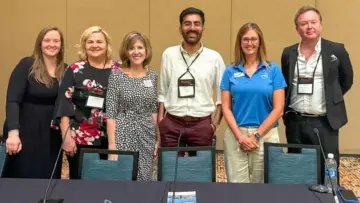
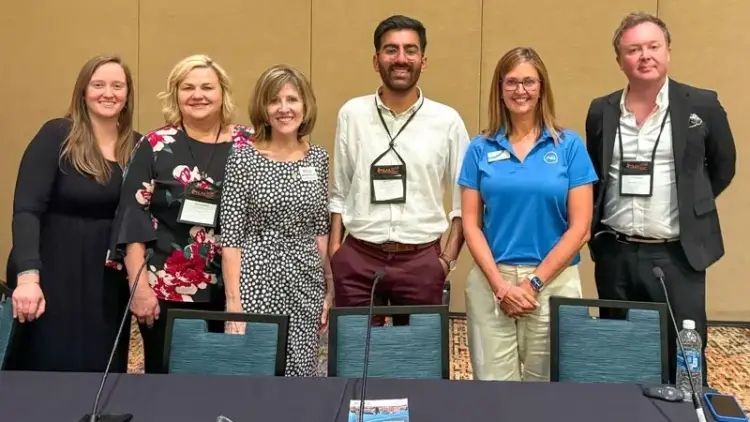
Stepping into a leadership role as a board member and coordinator for young adults with cochlear implants, Qais began contributing directly to strategic initiatives. He also helped organize and support online events designed to address the unique challenges faced by individuals between the ages of 18 and 35.
Finding and Sharing My Voice on the Global Stage
As a child, Qais’s spoken voice was often difficult for others to understand. Today, however, he speaks fluently and confidently at high-profile international events sponsored by the United Nations (United Nations), the World Health Organization (WHO), the U.K. Parliament, and various other global entities. Along the way, he has championed critical conversations, shared his personal story, and helped foster inclusive spaces where young adults with cochlear implants feel truly seen, heard, and understood.
Reflecting on his path, Qais acknowledges the pivotal role his cochlear implant has played. While the technology has not erased every single barrier he has faced, it has provided him with essential auditory access, personal independence, and the confidence to stand tall in educational, professional, and advocacy spaces. Above all, it has given him the instrument he needed to find and project his own voice.
Despite the systemic barriers and personal hurdles he has encountered, Qais looks back with immense pride at how far he has come. His experiences have taught him that progress is never about achieving perfection; rather, it is about showing up and persevering, even on the hardest days. Disabilities do not define an individual’s identity or capabilities. Armed with the right support, self-belief, and sheer determination, anyone can turn their aspirations into reality. As International Cochlear Implant Day highlights the ongoing evolution of hearing technology, stories like Qais’s serve as a powerful reminder of what is possible when innovation meets human resilience.