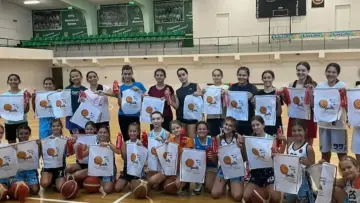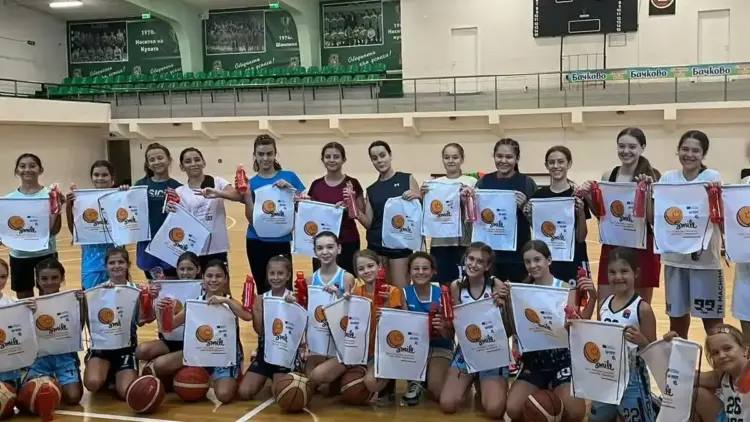
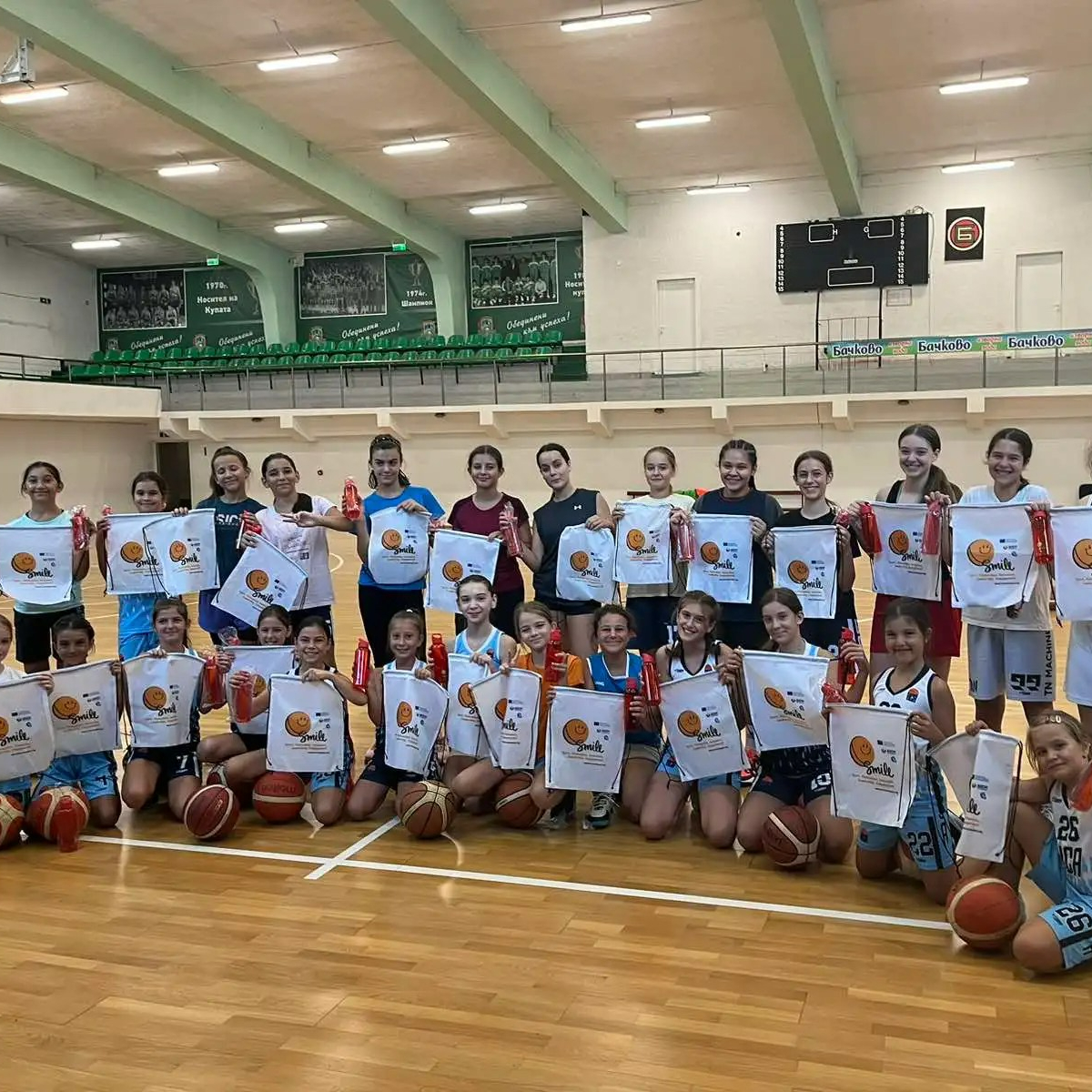
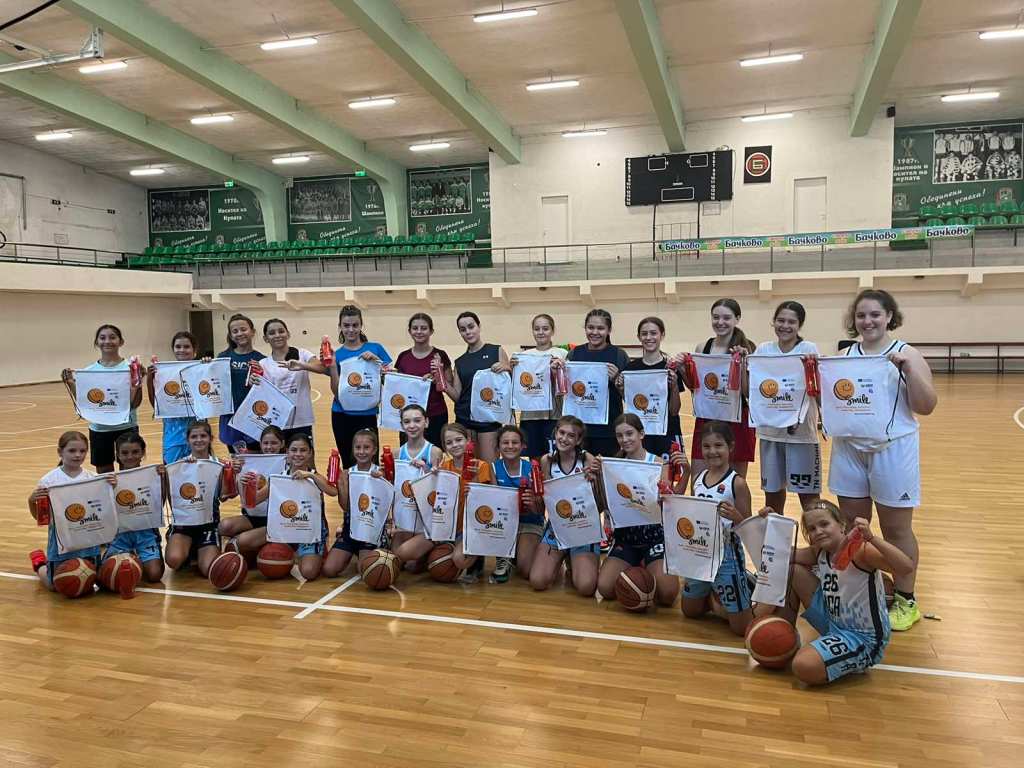
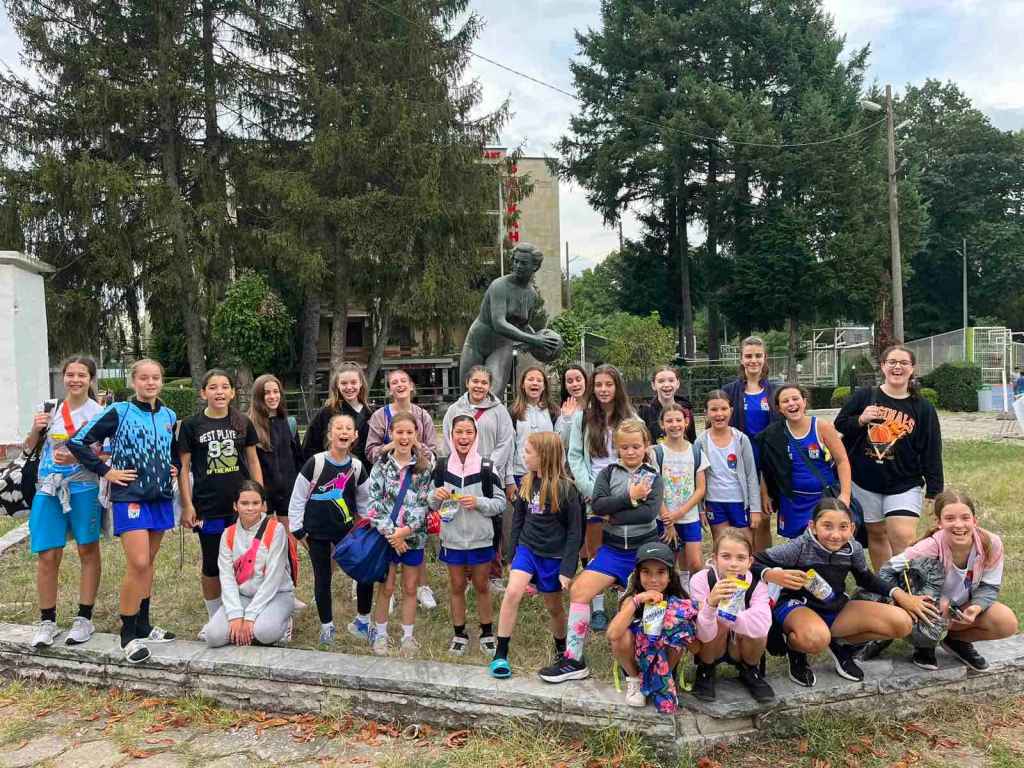
BOTEVGRAD, BULGARIA — The multifunctional sports hall “Arena Botevgrad” recently played host to a vibrant convergence of athletes, trainers, and advocates as it welcomed a series of intensive training activities in support of the #SMILE initiative. Running from September 1st to September 6th, 2023, the multi-day gathering marked a significant milestone for the project, which seeks to redefine the relationship between athletics and social inclusion. By opening international sports opportunities directly to individuals with intellectual disabilities, the initiative continues to champion a more equitable sporting landscape across borders.
The Sport, Motivation, Inclusion, Leadership, Engagement—known collectively as #SMILE—project was designed from its inception to challenge conventional perceptions of who gets to play, compete, and lead in the international arena. Rather than viewing athletics solely through a competitive lens, the initiative treats physical activity as a powerful vehicle for personal growth, community building, and systemic change. The training sessions held at Arena Botevgrad provided participants with a structured, supportive environment to hone their athletic abilities, foster camaraderie, and experience the undeniable benefits of teamwork firsthand.
Throughout the early September camp, athletes and organizers engaged in rigorous physical conditioning, collaborative drills, and motivational workshops tailored to foster both individual confidence and collective spirit. The atmosphere inside the modern Botevgrad facility was one of intense focus blended with palpable enthusiasm, as participants from diverse backgrounds came together to push their personal limits. For many attendees, the camp offered a rare and invaluable platform to test their skills in a professional athletic setting, surrounded by peers, coaches, and sports experts who share a common commitment to universal access.
To ensure that the impact of these training activities extends far beyond the gymnasium floors of Botevgrad, the #SMILE initiative has focused heavily on structural and educational outcomes. Among the primary deliverables developed to support the project’s overarching goals is the comprehensive #SMILE Good Practices Handbook. Serving as an essential roadmap for inclusive athletics, the handbook has been made publicly available through online platforms, offering sports organizations and community leaders a practical guide for implementing inclusive training methods.
Alongside the handbook, the initiative has successfully authorized a network of sports experts and organizations to utilize the specialized tools and frameworks developed throughout the project lifecycle. These resources are designed to bridge the gap between theoretical inclusion policies and everyday athletic practice, giving coaches and administrators the confidence and competence to welcome athletes with intellectual disabilities into mainstream sports programs. Furthermore, the initiative culminated in a dedicated international sports event that successfully brought together participants from Bulgaria and Croatia, following preliminary training sessions conducted within each respective country. This cross-border collaboration allowed athletes to showcase their progress on an international stage, reinforcing the bonds of friendship and mutual respect forged during the training camps.
At its core, the #SMILE project is driven by a clear and ambitious set of objectives aimed at transforming the lives of individuals with intellectual disabilities. Central to this mission is providing participants with the opportunity to discover the transformative power of sports through direct, personal experience. When individuals step onto the court or the field, they are not merely engaging in physical exercise; they are actively dismantling stereotypes, challenging institutional barriers, and redefining their own potential.
Another vital pillar of the initiative is the collaborative creation and continuous refinement of the Good Practices Handbook for the Inclusion of People with Intellectual Disabilities. Developed hand-in-hand with project partners across participating nations, this resource captures real-world insights, successful methodologies, and lessons learned from the ground level. By sharing these insights, the project encourages a continuous exchange of knowledge that strengthens the broader sports community.
The ripple effect of the #SMILE project is further amplified through localized training sessions. By engaging individuals with intellectual disabilities within their own communities, the initiative ensures that inclusion is not treated as a rare, isolated event, but rather as an ongoing, sustainable practice. These local workshops lay the groundwork for broader participation, empowering participants to take what they have learned back to their hometowns and inspire others to get involved. Through the systematic transfer of good practices among project partners, the initiative creates a resilient, interconnected network of organizations dedicated to long-term social change.
The objectives and execution of the #SMILE project find a natural home within the framework of the Erasmus+ program, which co-funds the initiative. The project’s philosophy is deeply intertwined with the horizontal priorities of Erasmus+, particularly its unwavering commitment to ensuring inclusion and diversity across all spheres of education, training, youth, and sport. By intentionally creating pathways for a demographic group historically positioned in an unequal and often marginalized standing, the #SMILE initiative embodies the very essence of European cooperation and social equity.
Additionally, the project actively supports the Erasmus+ priority of promoting widespread participation in sports and physical activity. Organizers recognize that long-term inclusion cannot be achieved through sporadic events alone; it requires a sustained, systematic approach that integrates individuals with intellectual disabilities into sports ecosystems at every level. Whether through grassroots training at the local level, organizational capacity-building at the national scale, or high-profile competitions on the international stage, every facet of the SMILE project is geared toward creating lasting, sustainable opportunities for physical engagement.
As the training activities concluded in Botevgrad, the participants, coaches, and organizers left behind a powerful testament to what can be achieved when barriers are intentionally dismantled. The echoes of encouragement inside Arena Botevgrad and the shared triumphs of athletes from different cultures underscored a simple truth: that sport, at its best, belongs to everyone. With its comprehensive toolkits, handbooks, and growing international network, the #SMILE initiative has established a robust foundation for a more inclusive athletic future, proving that motivation, leadership, and engagement know no boundaries.