Cartagena, Colombia, is globally celebrated for its enchanting, UNESCO World Heritage-listed Old Town, where centuries-old colonial architecture and vibrant plazas define the cityscape rather than typical coastal resort scenery. However, the city’s stunning Caribbean coastline also holds significant appeal for travelers seeking sun and sand. In a notable shift toward inclusive tourism, recent accessibility improvements along a stretch of beach in the bustling Bocagrande district have transformed the area, ensuring that wheelchair users and individuals with reduced mobility now have a dedicated, accessible space to enjoy the coastline.
A Wheelchair Accessible Beach in Bocagrande
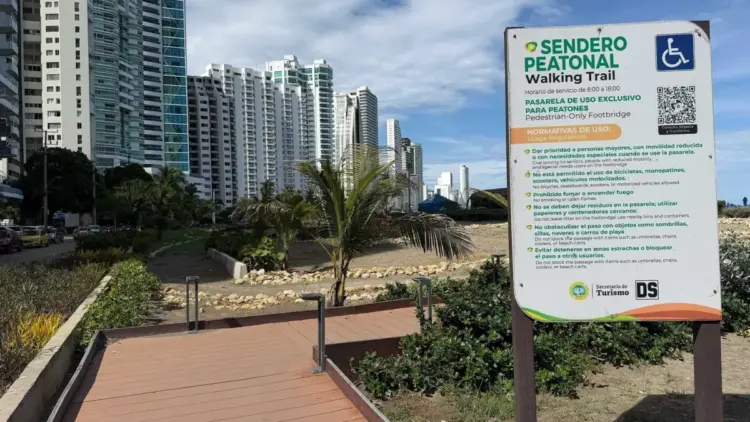
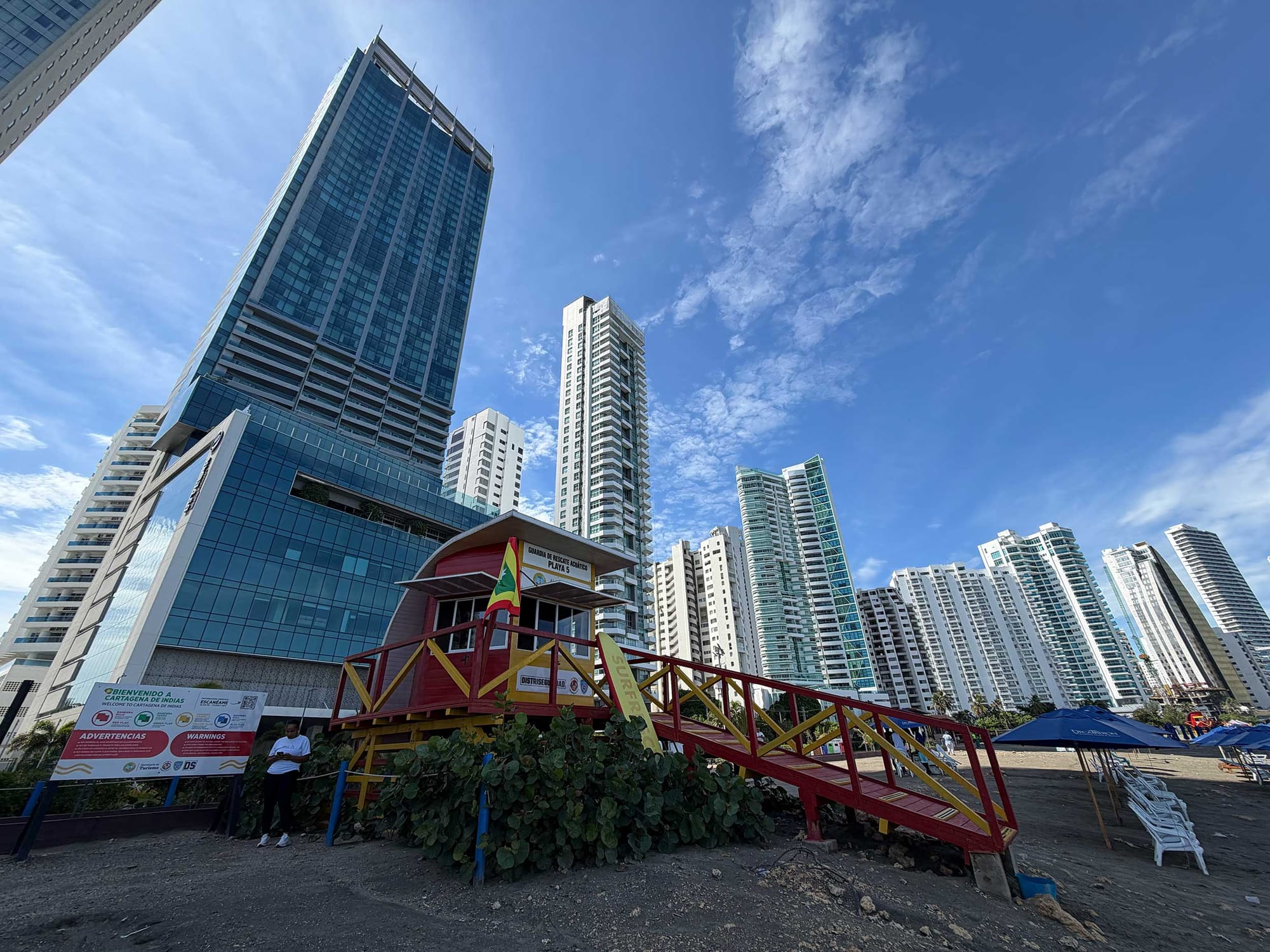
The milestone development marks Cartagena’s first truly wheelchair-accessible beach, situated specifically at Playa 5 in the popular Bocagrande neighborhood. Positioned directly across the street from prominent hospitality landmarks such as the Hyatt Regency Cartagena and the ESTELAR Cartagena de Indias Hotel, the new access point is strategically located at the intersection of Carrera 1 and Calle 12. At this junction, a smooth, engineered boardwalk begins, extending from the urban sidewalk toward the shoreline and offering a stable, barrier-free route for pedestrians.
The boardwalk, officially designated as the "Sendero Peatonal" or Walking Trail, is reserved exclusively for pedestrian traffic. Posted signage along the route explicitly requests that users prioritize senior citizens and individuals with reduced mobility, fostering a considerate environment for all beachgoers.
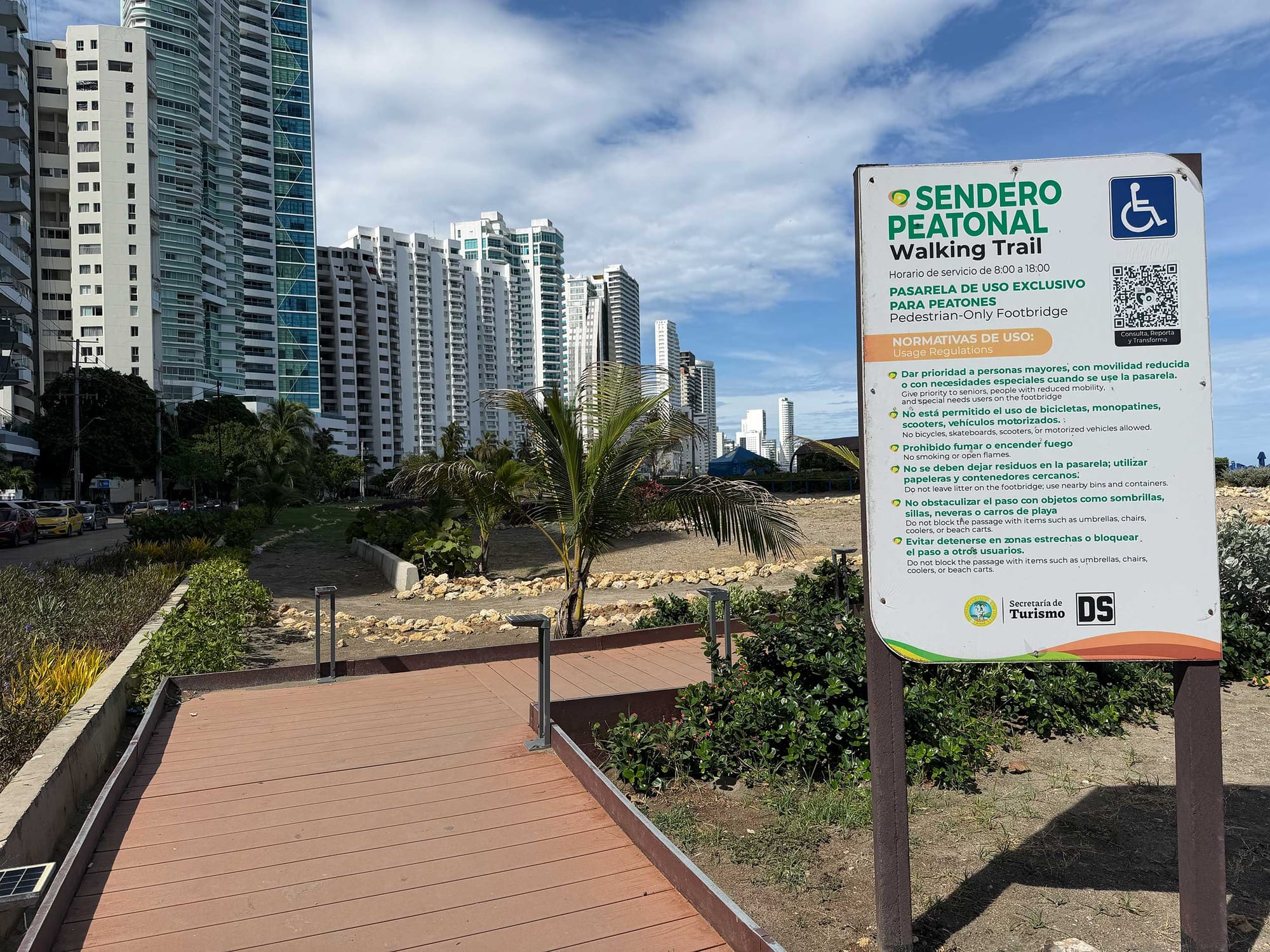
While the boardwalk provides a seamless journey across the upper portion of the coastal zone, a ramp connects the elevated deck down to the sand. Crucially, this ramp does not extend all the way to the water’s edge. Although the addition of a continuous portable beach mat running from the boardwalk directly to the surf would further enhance the route, current infrastructure requires visitors who use wheelchairs to utilize specialized equipment to traverse the stretch of soft sand and enter the Caribbean Sea.
Free WaterWheels Beach Wheelchair
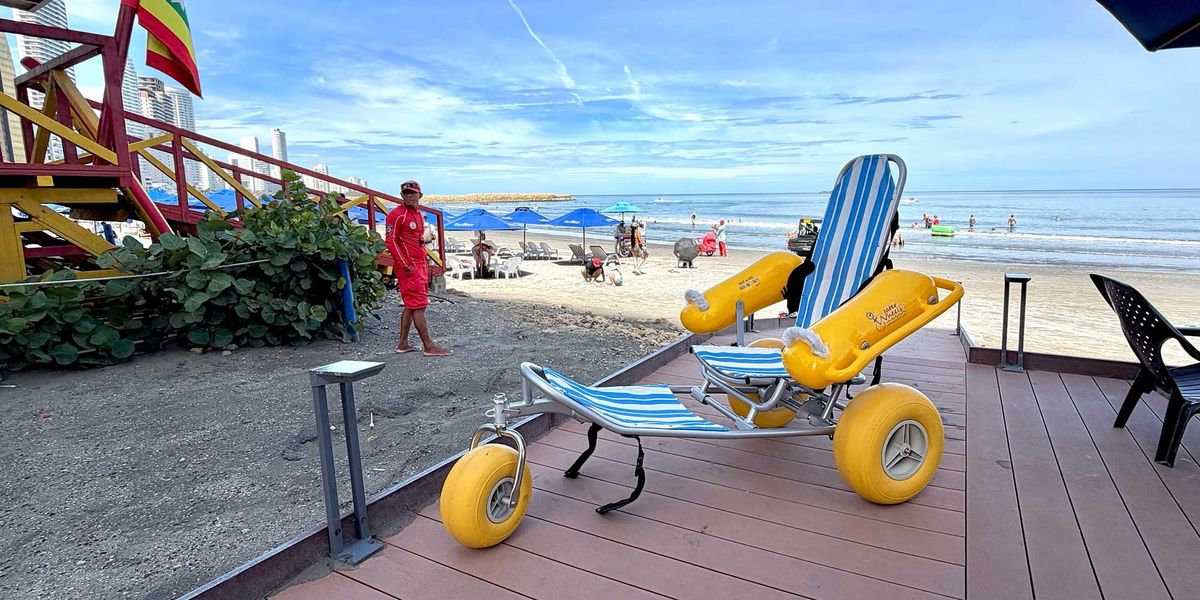
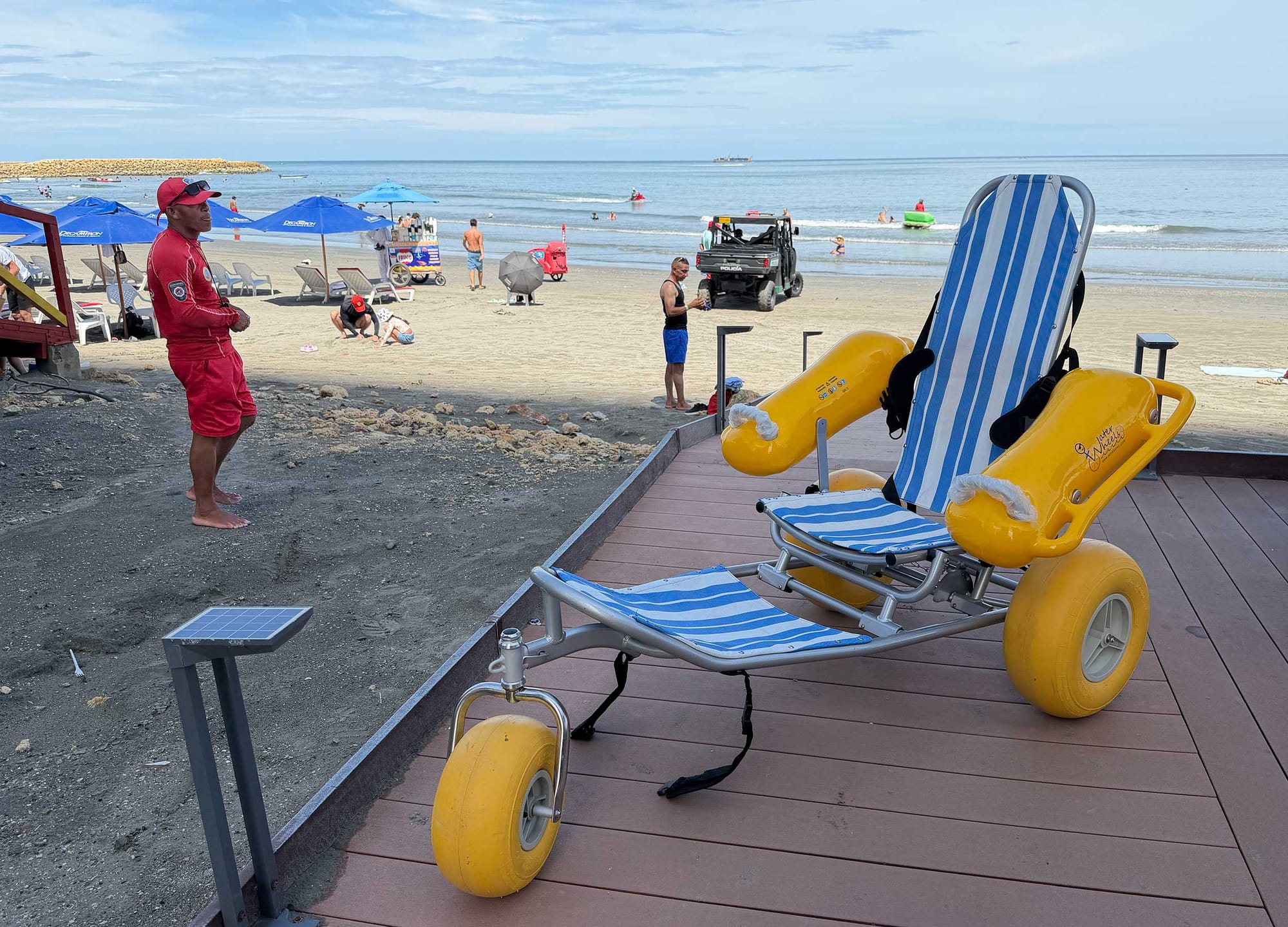
To bridge the gap between the end of the boardwalk and the shoreline, local authorities and operators have made the WaterWheels Floating Beach Wheelchair available to the public free of charge. This specialized mobility device is designed to handle challenging coastal terrain, enabling travelers with disabilities to experience the beach environment alongside family and friends.
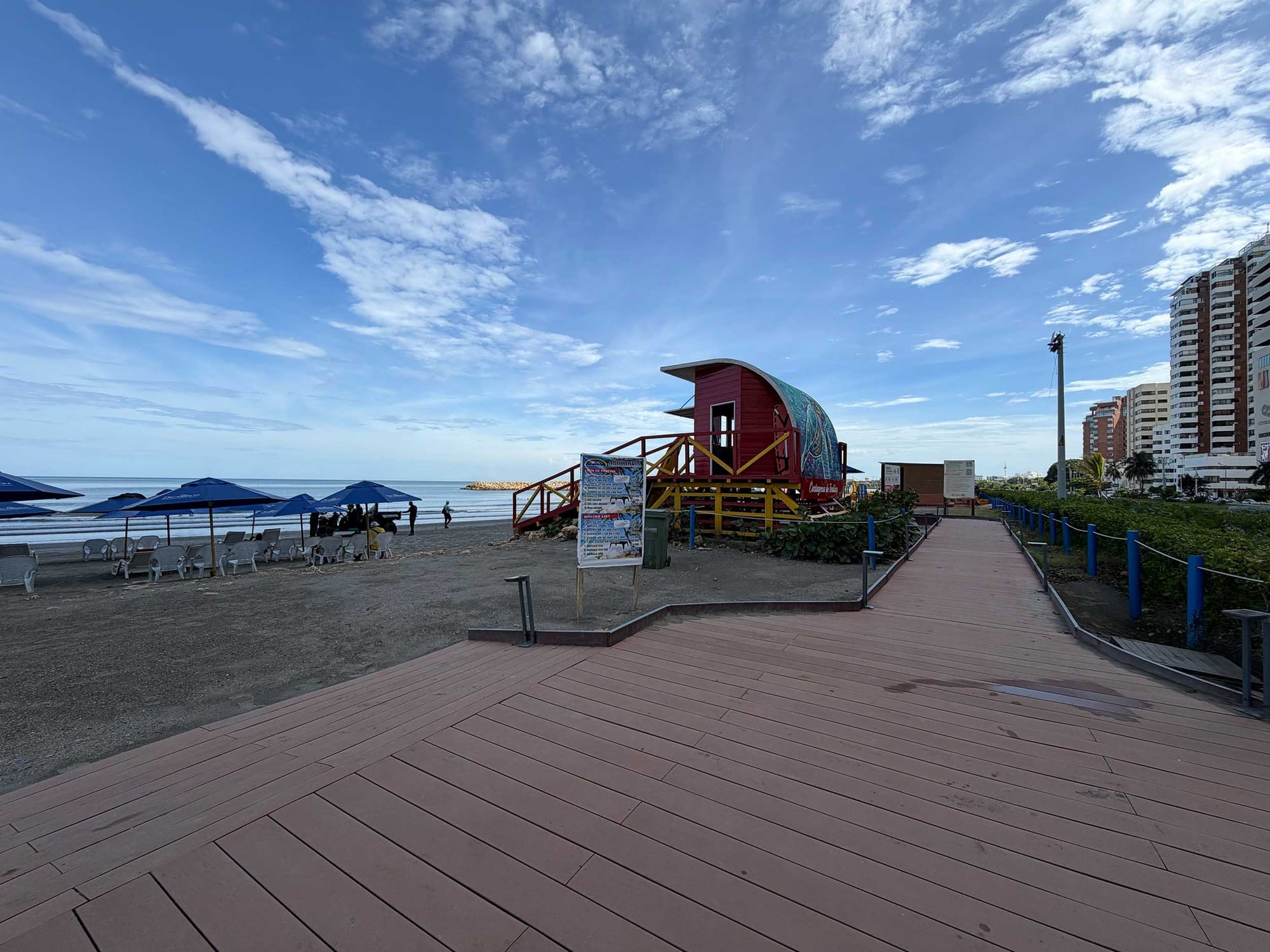
Accessing the chair is straightforward. Visitors can simply speak with one of the lifeguards stationed on duty at the Playa 5 lifeguard post. During operational hours, the lifeguards are available to assist visitors with borrowing the equipment.
The WaterWheels chair is equipped with large, oversized balloon tires that distribute weight evenly, allowing the device to roll smoothly over loose, soft sand without sinking. Additionally, the chair features integrated flotation armrests that provide buoyancy, allowing users to safely enter the shallow surf. Because the WaterWheels model is a manual beach wheelchair, its full utility relies on the presence of a companion, family member, or friend who can push the user across the sand and into the water. Despite this requirement, the availability of the equipment provides a valuable and cost-free opportunity for travelers to fully engage with the Caribbean environment.
Wheelchair Accessible Seating, Shade & Facilities
Complementing the physical pathways and mobility equipment, the Playa 5 area includes dedicated infrastructure focused on comfort, safety, and convenience. Positioned directly adjacent to the lifeguard station, visitors will find an accessible seating zone constructed on the boardwalk, equipped with chairs and shaded areas provided by umbrellas. These amenities operate on a first-come, first-served basis, offering a comfortable place to relax away from the direct glare of the tropical sun while maintaining views of the sea.
Beyond the designated accessible deck seating, travelers can rent additional beach chairs and umbrellas directly on the sand from local vendors. The presence of active lifeguards and regular patrols by municipal police officers contributes to a secure environment, making this sector of the Bocagrande coast one of the most closely monitored and protected stretches of sand in the municipality.
Infrastructure developments also extend to hygiene and sanitation facilities. A dedicated restroom and shower facility is integrated into the beach infrastructure at Playa 5, operating daily between the hours of 8:00 a.m. and 6:00 p.m. The facility includes a designated wheelchair-accessible stall equipped with a wall-mounted grab bar adjacent to the toilet. While functional and compliant with basic accessibility standards, the interior space of the stall is relatively compact, meaning individuals who use larger power wheelchairs may encounter spatial constraints when attempting a full 360-degree turn inside the room.
Final Thoughts
The establishment of fully accessible coastal infrastructure remains a rarity across South America, making Cartagena’s recent investments a notable and progressive development for the region. By prioritizing barrier-free access at Playa 5, local officials and tourism stakeholders have demonstrated a commitment to inclusivity, ensuring that residents and international visitors alike can share in the natural assets of the Caribbean coast. As destinations throughout Colombia and the wider continent look for ways to modernize their public spaces, the integration of adaptive pathways, specialized beach wheelchairs, shaded seating zones, and accessible restrooms in Bocagrande sets a practical precedent for future tourism infrastructure projects.