
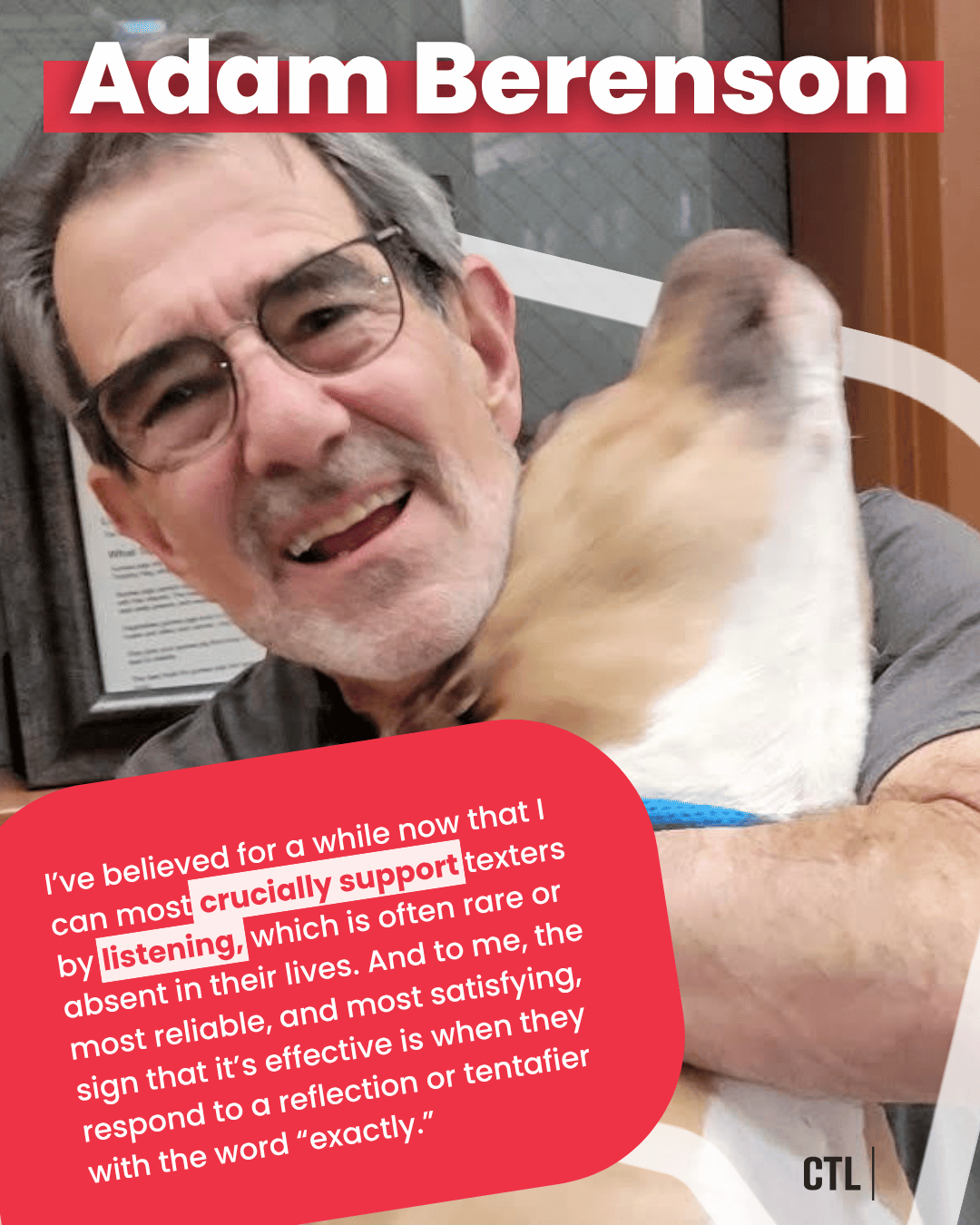
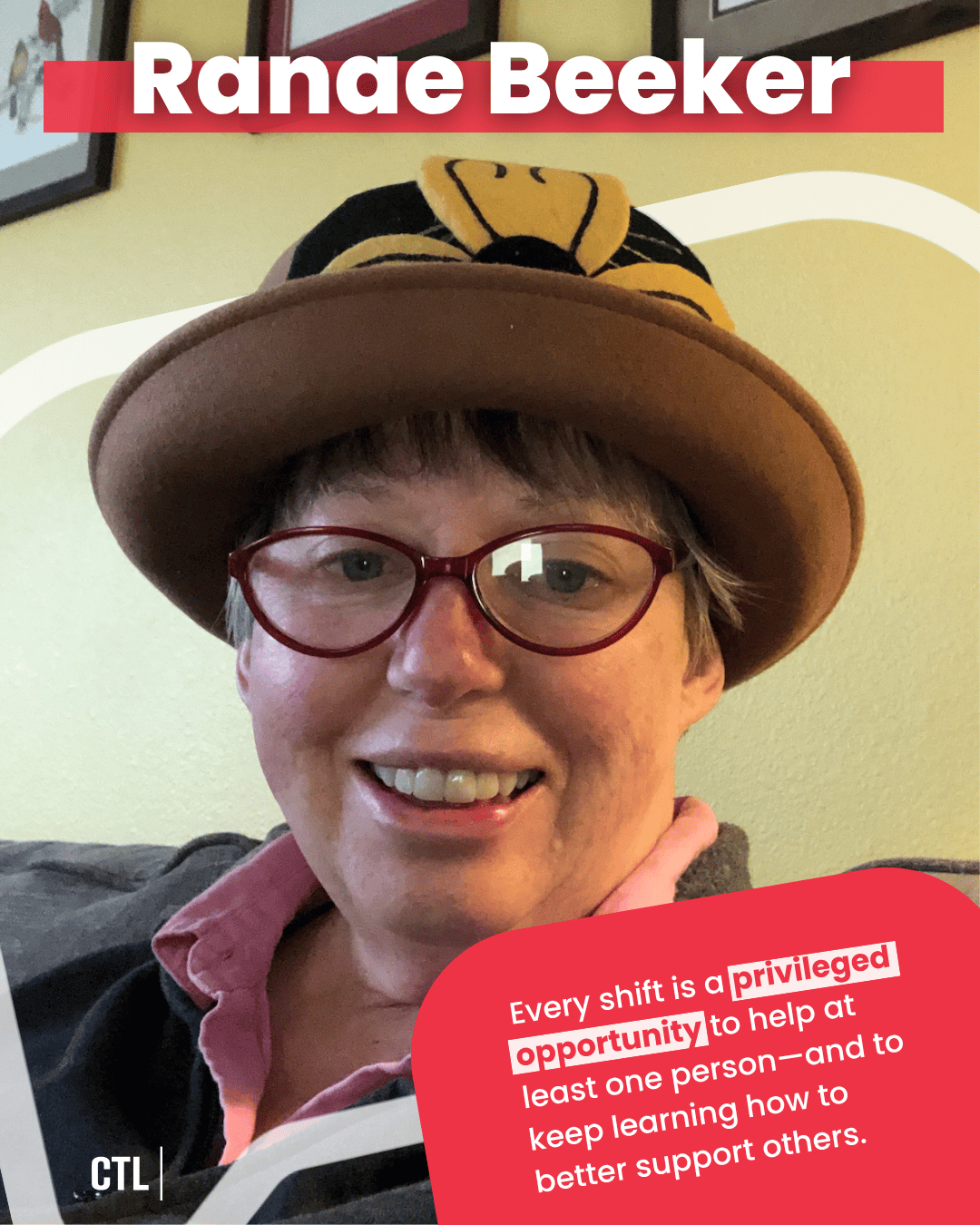
As Volunteer Appreciation Month gets underway, organizations across the globe are pausing to reflect on the immense value of unpaid service and community engagement. Among them, Crisis Text Line is shining a spotlight on the dedication of its volunteer Crisis Counselors, whose commitment has transformed mental health support infrastructure on a massive global scale. Described by participants as uniquely fulfilling, a privileged opportunity, and deeply satisfying, the work performed by these volunteers forms the backbone of modern text-based crisis intervention.
In 2025 alone, the organization’s network of dedicated volunteers supported more than 1.5 million individual conversations for people experiencing emotional distress or mental health struggles. Across the lifetime of the program, these individuals have collectively donated over 9 million hours of service worldwide. Behind these staggering statistics lie deeply personal stories of empathy, resilience, and the profound human desire to connect with and support others during their most vulnerable moments.
The Evolution and Meaning of Volunteerism
Volunteerism has traditionally been viewed through a narrow lens of physical labor or local community service, but modern civic engagement has taken on diverse forms. At its core, volunteerism is the act of contributing time, energy, resources, or specialized skills to support a person, cause, or organization without financial compensation. Rooted in compassion, care, and collective support, it offers individuals a tangible way to feel useful and connected in an increasingly complex world.
Contemporary volunteering encompasses everything from hands-on neighborhood projects to digital advocacy and remote emotional support. Volunteers leverage their unique life experiences, professional backgrounds, and personal strengths to address critical needs within society. Whether mentoring youth, cleaning up public spaces, or standing on the front lines of mental health intervention, people turn to volunteer work to find purpose and combat isolation. The modern landscape proves that the best place to volunteer is anywhere a genuine need aligns with an individual’s personal values, capacities, and interests.
The Broad Benefits of Community Service
While the primary aim of volunteering is to assist others, extensive research and personal testimony reveal a powerful dual impact. Volunteers frequently experience substantial personal benefits that improve their overall well-being. Chief among these advantages is a renewed sense of purpose. Engaging in activities that transcend individual self-interest provides grounding during uncertain times, boosting confidence and personal motivation.
Furthermore, community service offers notable mental and physical health benefits. Active engagement can reduce stress, alleviate feelings of loneliness, and establish positive daily routines. Depending on the nature of the work—ranging from community gardening to organizing public events—volunteers often maintain higher levels of physical activity while fostering a positive psychological outlook. Additionally, volunteering serves as an invaluable avenue for building social connections, helping individuals forge meaningful friendships, expand their professional networks, and integrate more deeply into their local communities. For many, the experience also provides a practical platform for developing essential life skills, including leadership, effective communication, and collaborative problem-solving.
Creating Lasting Impact on Communities and Individuals
The impact of volunteerism reverberates across two distinct spheres: the communities being served and the individuals providing the service. At the community level, volunteers bridge critical gaps in resources, education, and emotional care. Organizations rely heavily on unpaid supporters to extend their reach, ensure vital services remain accessible, and respond swiftly to both everyday challenges and sudden crises. By fostering widespread participation, volunteerism builds more informed, compassionate, and proactive communities capable of supporting one another through adversity.
Simultaneously, the impact on the volunteer is often transformative. Giving time to a meaningful cause fosters deep feelings of gratitude, fulfillment, and personal growth. For many, turning empathy into direct action provides a constructive outlet during difficult life transitions, replacing helplessness with agency and structure.

A Real-World Example: Crisis Counselors in Action
The vital role of volunteerism is vividly demonstrated every day at Crisis Text Line, where volunteer Crisis Counselors operate on the front lines of mental health support. Through rigorous training, active listening, and profound empathy, these individuals help texters navigate moments of intense emotional crisis, ensuring that those in distress feel heard, safe, and supported.
By offering their time and emotional presence, volunteer Crisis Counselors prove that modern volunteerism can literally be life-changing. As the organization highlights the real stories and motivations of its volunteer spokespeople this month, the overarching message remains clear: the act of giving time not only rescues and uplifts those in immediate need, but it also enriches the lives of those who answer the call. For individuals unable to commit time directly, alternative avenues such as financial contributions help ensure that these vital support networks remain open and operational around the clock for anyone seeking help.