Every teacher, regardless of the subject they teach, plays a vital role in developing their students’ executive functioning skills. Whether guiding a fourth-grade math class, an eighth-grade English essay, or a middle school art project, educators are constantly relying on foundational brain-based abilities such as planning, organization, attention, and time management. In recent discussions surrounding modern educational strategies, experts are emphasizing that these cognitive competencies are not separate from academic curricula, but rather the underlying machinery that makes all learning possible.
To understand why integrating executive functioning skills has become a focal point in classrooms, educators must first recognize what these skills entail. Executive functioning encompasses the core cognitive abilities that allow individuals to accomplish everyday tasks and achieve long-term goals. Beyond planning and organizing, these capacities include getting started on tasks in a timely manner, managing time efficiently, maintaining focus amidst distractions, and problem-solving through academic and social challenges.
Because these abilities are deployed across every content area, students must continually plan writing assignments, navigate complex questions, manage testing periods, and maintain concentration during lengthy lectures. When educators actively support these skills within the classroom environment, they provide the essential foundation all learners need to achieve academic success and personal independence.
Seamless Integration Into Existing Curricula
A common misconception among educators is that teaching executive functioning requires an entirely separate curriculum or extensive additions to an already packed school day. However, education specialists note that every teacher possesses the capacity to intentionally target these skills using their existing lesson plans, daily materials, and standard content. By weaving cognitive strategies directly into standard academic assignments, schools can foster growth without complicating the instructional day.
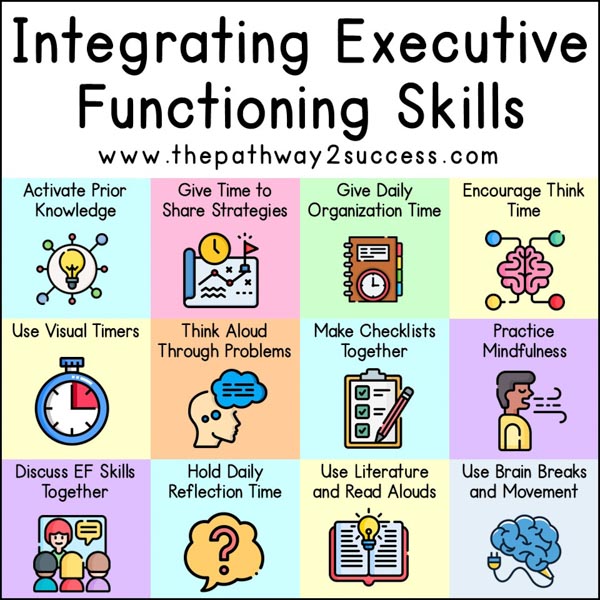
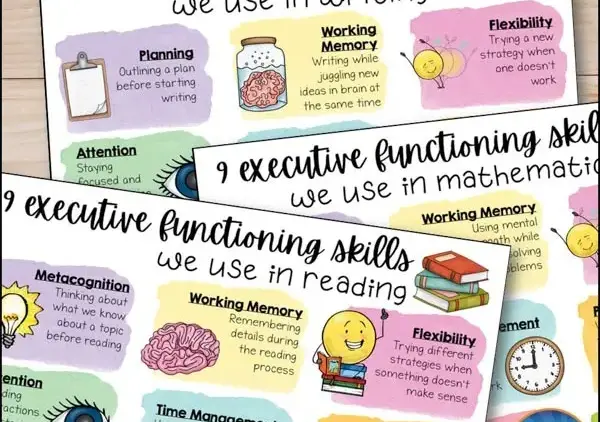
Planning, for instance, involves understanding what is needed to reach a goal and mapping out sequential steps. Educators can target this skill during major projects by breaking down large assignments into smaller milestones. Similarly, metacognition—the practice of thinking about one’s own thinking—can be seamlessly integrated into reflection exercises after a quiz or reading assignment, encouraging students to evaluate their own comprehension strategies.
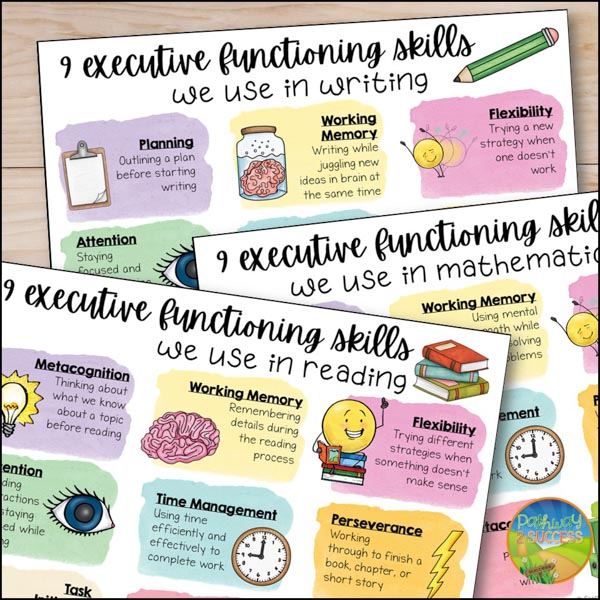
Organization, task initiation, and sustained attention are equally vital components that fit naturally into daily routines. Teachers frequently address organization by establishing clear classroom structures for managing materials and digital information. Task initiation strategies help students overcome procrastination by utilizing visual cues or brief peer discussions to kick off assignments. Meanwhile, attention and focus are continuously reinforced through instructional pacing, purposeful breaks, and activities designed to maintain student engagement during critical learning windows.
Time management and self-monitoring also play indispensable roles in daily academic life. When students learn to estimate how long an assignment will take and check their progress against set benchmarks, they develop greater autonomy. Furthermore, self-control, perseverance, problem-solving, and flexible thinking allow students to navigate setbacks constructively, adapt to changing instructions, and consider diverse perspectives when tackling collaborative or independent challenges.
Expanding Beyond the Lesson Plan
While embedding executive functioning strategies into core subjects remains a primary approach, many educators also utilize short, dedicated blocks of time to directly teach and discuss these cognitive concepts. Supporters of this method point out that mini-lessons do not require full-time instructional blocks; rather, brief, focused sessions provide just the right amount of information for students to comprehend and internalize a skill before returning to regular content integration.
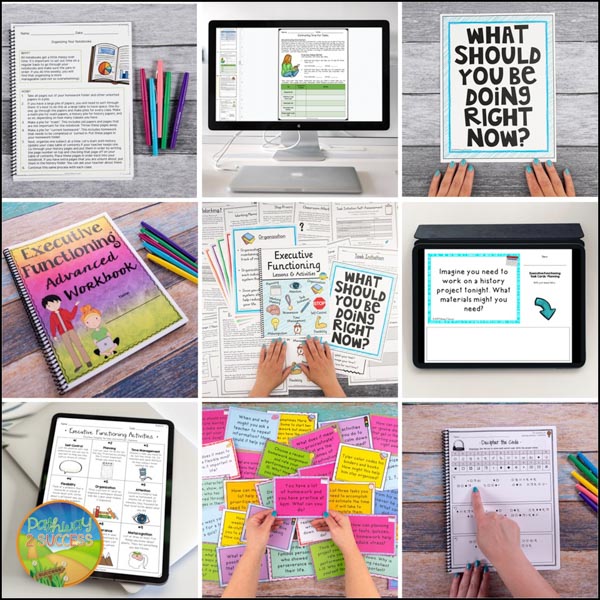
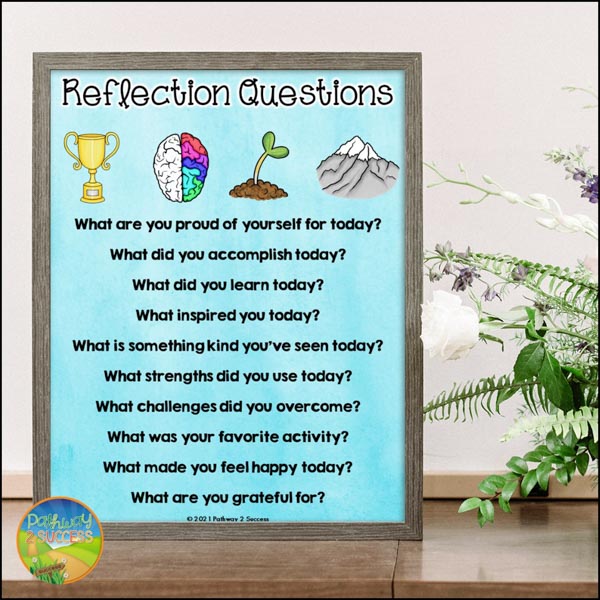
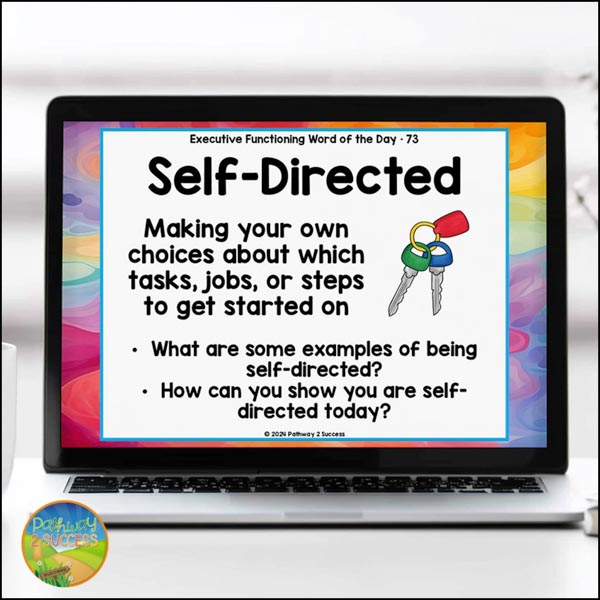
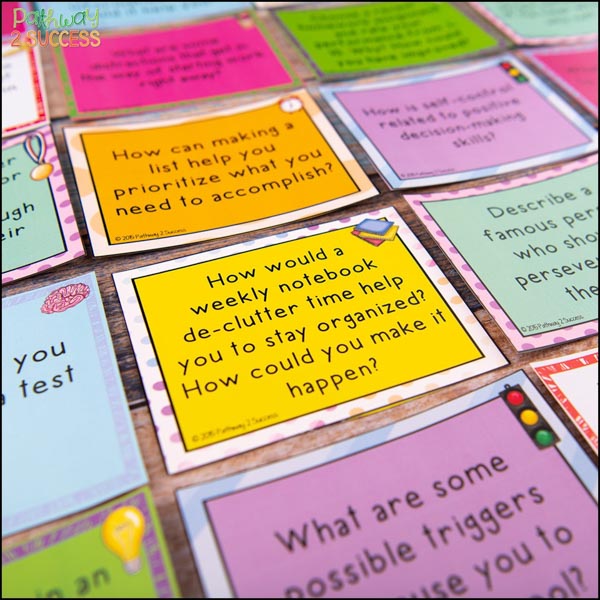
Classrooms across various grade levels have begun incorporating structured discussions, dedicated vocabulary building, and reflective exercises to keep these concepts front and center. By exploring targeted vocabulary words—such as neuroplasticity, momentum, routine, and self-discipline—students gain a deeper linguistic framework for understanding their own cognitive development. Motivational quotes and discussion prompts further encourage learners to reflect on how self-control supports positive decision-making and how flexible thinking aids in conflict resolution.
Read-aloud stories and literary texts offer another natural avenue for exploring these themes. By pausing during a story to examine the choices, challenges, and perseverance of characters, teachers can help students connect abstract executive functioning concepts to real-world scenarios and narrative arcs.
Ultimately, educators are finding that intentional focus on executive functioning transforms classrooms into environments where independence and resilience take root. By recognizing that every lesson is an opportunity to cultivate these foundational cognitive abilities, teachers are equipping students with the tools they need to navigate not only their academic careers, but life beyond the classroom walls.