As the political landscape prepares for the upcoming 2026 election cycle, advocacy groups and community organizations across the United States are shining a light on a persistent and significant disparity in civic participation. According to comprehensive data from Rutgers University and the U.S. Election Assistance Commission, if eligible voters with disabilities cast their ballots at the exact same rate as voters without disabilities, approximately two million additional voices would actively participate in shaping local, state, and national democracy.
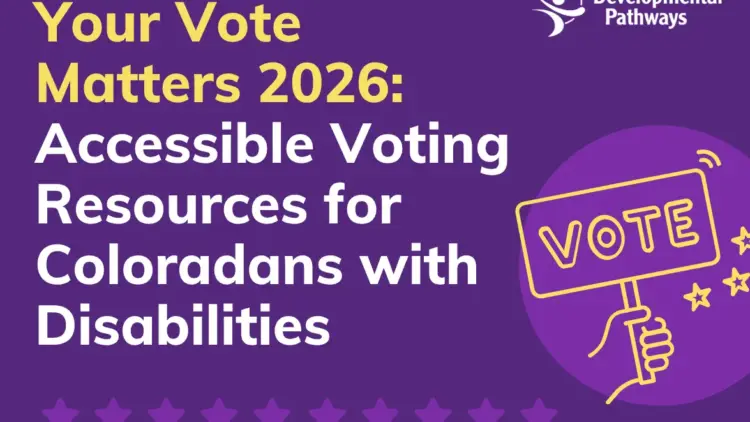
To bridge this participation gap at the local level, Developmental Pathways (DP)—an organization dedicated to supporting individuals with intellectual and developmental disabilities—has announced a comprehensive outreach and resource initiative. The campaign is designed to ensure that Colorado voters with disabilities have the necessary information, legal protections, and practical tools to fully participate in the 2026 election cycle and make their voices heard at the ballot box.
The initiative comes at a critical time when civic organizations are striving to make democratic processes more inclusive. Developmental Pathways has emphasized that full community inclusion inherently includes the right and ability to vote. By providing accessible resources, demystifying legal requirements, and highlighting available accommodations, the organization aims to remove traditional barriers that have historically discouraged or prevented individuals with disabilities from exercising their constitutional franchise.
Your Right to Vote
A cornerstone of the new voter outreach effort is clarifying and defending voting rights under Colorado law. One of the most common misconceptions surrounding voters with cognitive or developmental disabilities involves legal guardianship. To address this confusion directly, DP and state authorities emphasize that in Colorado, having a guardian or another designated legal decision-maker does not affect an individual’s right to vote.
Any resident who is 18 years of age or older and meets Colorado’s fundamental eligibility requirements retains the legal right to cast a ballot and make their own independent choices in the voting booth. The Colorado Secretary of State’s office provides detailed eligibility guidelines and a dedicated Voters with Disabilities Frequently Asked Questions page to help citizens and their families navigate the legal parameters of voting.
Furthermore, protection for voters extends beyond basic eligibility. Disability Justice Colorado, which serves as the state’s designated Protection and Advocacy System, plays a vital role in upholding these rights. The organization provides essential assistance to voters seeking to understand their legal protections, learn about accessible voting options, or file formal complaints if their voting rights are impeded or violated during any phase of the electoral process. Through these combined legal safeguards, Colorado maintains a framework intended to protect the autonomy of every eligible voter.
Make a Plan to Vote
Translating the right to vote into actual civic participation often requires careful preparation, particularly for voters who may benefit from specialized accommodations or structured planning. To assist individuals in navigating the logistical details of the 2026 election, Developmental Pathways has developed a printable resource known as the My Voting Plan sheet. This tool is designed to help voters organize their schedules, identify their preferred method of voting, and ensure they have all necessary materials ready ahead of time.
Colorado utilizes a robust mail-in ballot system alongside in-person voting options, offering flexibility to the electorate. Under state regulations, every Voter Service and Polling Center (VSPC) is legally required to be fully accessible to individuals with disabilities, ensuring that physical barriers do not prevent anyone from casting a ballot in person if they choose to do so. Voters can also utilize accessible electronic voting machines located at these centers, which offer features such as audio ballots, tactile switches, and adjustable font sizes to accommodate various physical and sensory needs.
For those who prefer to vote from home or utilize drop-off locations, Colorado provides secure channels for returning mail ballots. To ensure peace of mind throughout the process, voters can track the real-time status of their ballot online using the Secretary of State’s BallotTrax tool. This system allows individuals to monitor when their ballot has been mailed, received by election officials, and successfully counted, providing transparency and accountability at every step of the electoral process.
Understanding Your Ballot
Cast ballots carry the most impact when voters are fully informed about the candidates, ballot measures, and constitutional amendments before them. Navigating the complexities of a modern election ballot requires research and critical evaluation. Recognizing this, Developmental Pathways stresses that understanding the content of a ballot is just as important as the physical act of showing up to vote.
Ahead of the 2026 election, numerous civic organizations, advocacy groups, and community networks are publishing detailed voter guides. These publications vary in perspective, with some operating as strictly nonpartisan educational resources while others approach issues from specific viewpoints. DP advises voters to seek out trusted, transparent sources that align with their personal values and community interests to make well-rounded, informed decisions.
To assist constituents in this research phase, Developmental Pathways has compiled a curated collection of ballot guides and educational resources specifically tailored for the upcoming election. As new information, nonpartisan analyses, and community resources are published by trusted organizations leading up to Election Day, the organization plans to continuously update its repository. Voters are encouraged to check back frequently for the latest additions to ensure they have access to the most current and comprehensive election materials available.