As the state looks ahead to the upcoming 2026 election cycle, advocacy and community organizations are doubling down on efforts to ensure every eligible citizen can make their voice heard at the ballot box. Recent data underscores the significant impact that increased civic participation from the disability community could have on the political landscape. According to a research supplement published by Rutgers University and highlighted by the U.S. Election Assistance Commission (EAC), if voters with disabilities cast their ballots at the exact same rate as voters without disabilities, approximately two million more voices would actively participate in shaping American democracy.
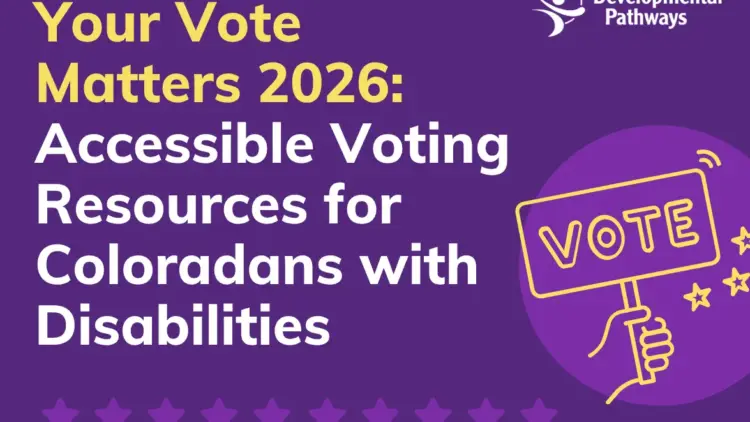
To bridge this participation gap locally, Developmental Pathways (DP), a prominent community organization dedicated to supporting individuals with intellectual and developmental disabilities, has rolled out a comprehensive information campaign. The organization’s initiative is designed to help Colorado voters with disabilities navigate the electoral process, understand their legal protections, and fully participate in their local communities during the 2026 election. By providing centralized resources, DP aims to dismantle traditional barriers to voting and foster an inclusive environment where every eligible voter feels confident and equipped to cast a ballot.
Your Right to Vote
A central focus of the outreach effort is clarifying voting eligibility and reinforcing legal protections for individuals with disabilities in Colorado. Misconceptions surrounding guardianship often deter citizens from exercising their democratic rights, but state law is explicit on the matter. In Colorado, having a designated guardian or another legal decision-maker does not strip an individual of their fundamental right to vote. Any resident who is 18 years of age or older and meets the state’s basic eligibility requirements holds the legal authority to vote and make their own independent choices on the ballot.
For voters seeking detailed guidance, the Colorado Secretary of State’s office provides comprehensive eligibility criteria alongside a dedicated Frequently Asked Questions page tailored specifically for voters with disabilities. Furthermore, organizations such as Disability Justice Colorado—the state’s designated Protection and Advocacy System—play a critical role in safeguarding these rights. Disability Justice Colorado stands ready to assist voters in understanding the full scope of their voting rights, exploring accessible voting options, and filing formal complaints should any individual encounter barriers or experience a violation of their rights during the election cycle.
Make a Plan to Vote
Transitioning from knowing one’s rights to successfully casting a ballot requires strategic preparation. Developmental Pathways has introduced practical tools to help voters organize their approach, including a printable planning document titled "My Voting Plan." This resource is designed to help individuals map out every step of the voting process well before election day.
Colorado’s robust mail-in voting system offers multiple avenues for participation, ensuring that voters can choose the method that best suits their accessibility needs. Every Voter Service and Polling Center (VSPC) across the state is legally required to be fully accessible, accommodating individuals with various physical, sensory, and cognitive needs. Voters can choose to vote in person at these designated centers, utilize accessible voting machines that provide private and independent ballot marking, or return their completed mail-in ballots securely. To provide peace of mind throughout the process, the Colorado Secretary of State offers the BallotTrax online tool, allowing voters to track their ballot from the moment it is mailed or dropped off until it is officially processed and counted.
Understanding Your Ballot
Casting a ballot is only half the battle; understanding the candidates, measures, and issues on that ballot is equally crucial for meaningful civic engagement. With a multitude of competing perspectives, navigating the vast array of information available can be overwhelming for any voter. A wide variety of organizations routinely publish ballot guides ahead of major elections, ranging from strictly nonpartisan educational summaries to advocacy-driven recommendations.
Developmental Pathways emphasizes the importance of selecting trusted, transparent information sources that align with an individual’s personal values and priorities. To assist voters in preparing for the 2026 election, the organization has curated an evolving collection of reliable ballot guides and educational resources. Because these materials are continuously updated as new analyses and guides are released by trusted civic organizations, community members are encouraged to check back frequently for the latest information to help inform their decisions at the ballot box.