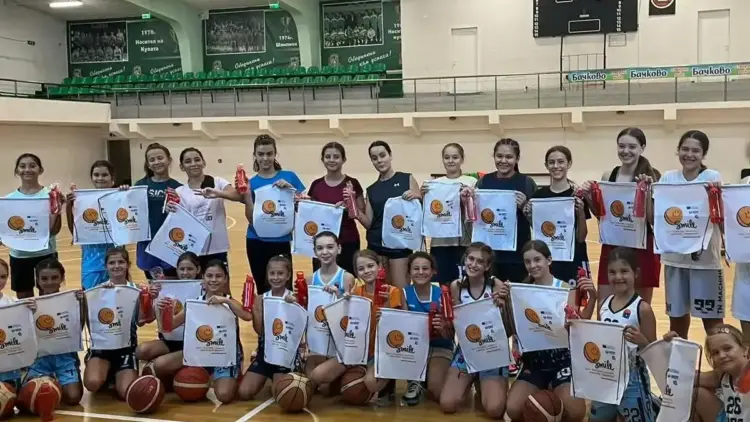
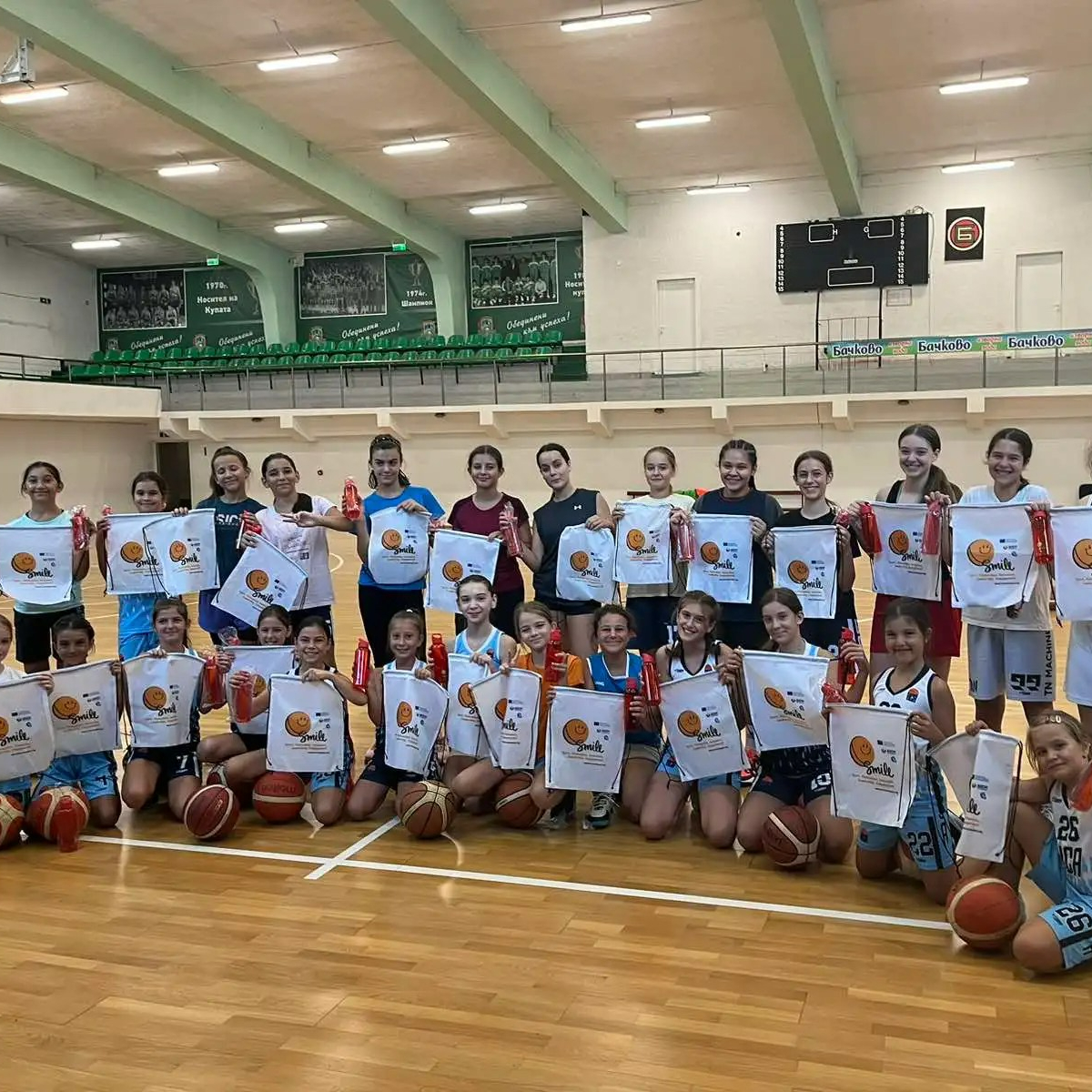
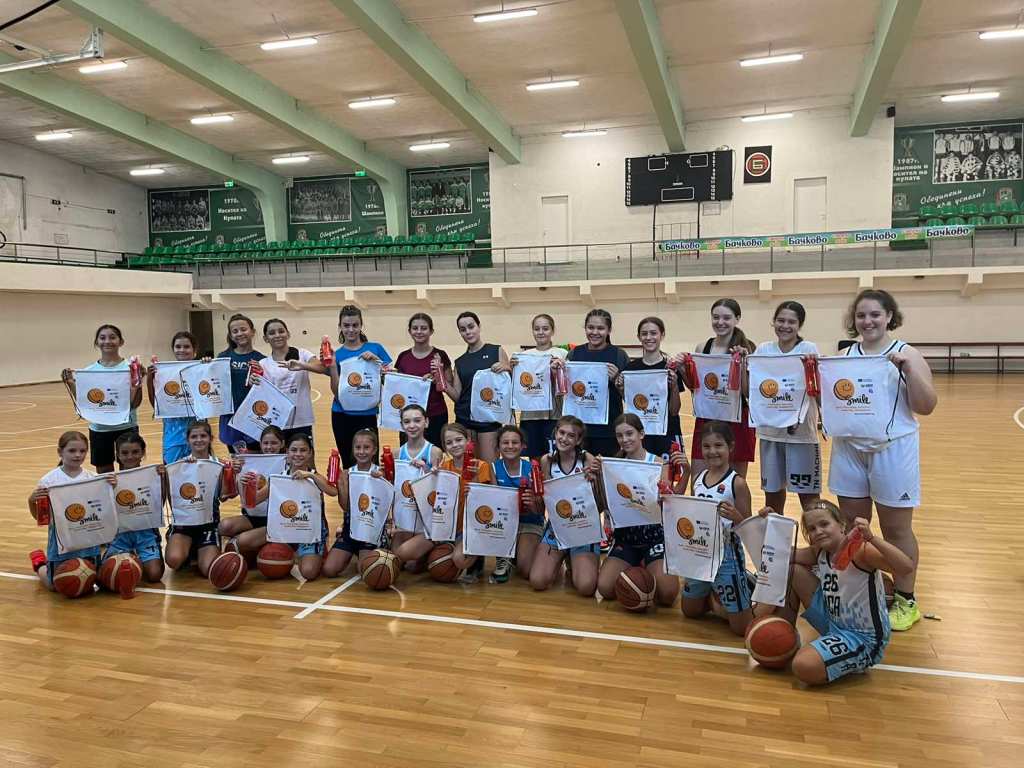
The intersection of athletics and social inclusion took center stage earlier this month as athletes, coaches, and sports experts gathered in Bulgaria for a transformative week of athletic development. From September 1st to September 6th, 2023, the multifunctional sports hall “Arena Botevgrad” in Botevgrad served as the vibrant backdrop for a series of intensive training activities organized in support of the #SMILE initiative. Standing for Sport, Motivation, Inclusion, Leadership, and Engagement, the #SMILE project is designed to fundamentally rethink how sports and social integration intersect, carving out unprecedented pathways for individuals with intellectual disabilities to actively participate in international athletic arenas.
Bringing together participants in an environment tailored to foster growth, teamwork, and athletic excellence, the camp in Botevgrad marked a major milestone for the international initiative. The program is built around the core philosophy that sports possess a unique, universal language capable of breaking down barriers, challenging societal stigmas, and empowering individuals who are too often relegated to the margins of competitive athletics. By providing structured, high-level training opportunities, the #SMILE project seeks to ensure that physical education and sports are truly accessible to everyone, regardless of cognitive ability.
To secure long-term impact and ensure that the vision of the initiative extends far beyond a single week of activities, the project has systematically developed a comprehensive suite of tangible outcomes. Central to these achievements is the #SMILE Good Practices Handbook, a carefully curated resource available to sports organizations, educators, and community leaders through the official initiative platform. This guide serves as a practical blueprint for implementing inclusive sports programs, offering actionable insights derived from the collective experiences of project partners across different nations.
In addition to the handbook, the initiative has successfully authorized a growing network of sports experts and organizations, equipping them with the specialized tools, methodologies, and frameworks developed throughout the lifecycle of the #SMILE project. These certified professionals and institutions are now uniquely positioned to carry forward the mission of inclusive sports, acting as regional ambassadors who can replicate the success of the initiative within their own local communities. This multiplier effect is viewed by organizers as essential to creating sustainable, permanent changes in how athletic opportunities are structured for people with intellectual disabilities.
The culmination of these preparatory efforts is vividly embodied in the international sports event organized under the #SMILE banner. This flagship gathering successfully bridged geographic and cultural divides by bringing together athletes with intellectual disabilities from both Bulgaria and Croatia. Prior to the cross-border event, dedicated training sessions were conducted within each participating country, ensuring that every athlete arrived prepared, confident, and eager to compete. The shared experience in Botevgrad allowed these competitors to test their skills on an international stage, celebrating athletic achievement and personal growth in a supportive, inclusive atmosphere.
At the heart of the initiative are several core objectives aimed at redefining the participant experience and maximizing societal impact. Foremost among these goals is offering individuals with intellectual disabilities a direct, personal encounter with the transformative power of sport. Rather than merely observing from the sidelines, participants step directly onto the court and the field, discovering firsthand how physical activity builds discipline, self-esteem, and physical well-being. This direct engagement is complemented by the collaborative creation of the Good Practices Handbook, which pools the expertise of international partners to establish a gold standard for inclusive athletic programming.
Furthermore, the project places a heavy emphasis on localized engagement and knowledge transfer. By rolling out training sessions at the grassroots level, the initiative triggers a powerful ripple effect, inspiring local clubs, municipal sports centers, and community leaders to open their doors to athletes with intellectual disabilities. This continuous exchange of methodologies and success stories among project partners ensures that effective strategies do not remain isolated in a single region, but instead circulate freely across borders, enriching the broader European sports community.
The timing and framework of the #SMILE project are deeply intertwined with the overarching priorities of the Erasmus+ program, which co-funds the initiative. As a cornerstone of European funding for education, training, youth, and sport, Erasmus+ places a heavy strategic emphasis on inclusion and diversity. The #SMILE project addresses this priority head-on by directly targeting a demographic that has historically occupied an unequal position in international sports and education. By securing meaningful participation for individuals with intellectual disabilities, the project transforms the abstract principle of European inclusion into a lived, daily reality.
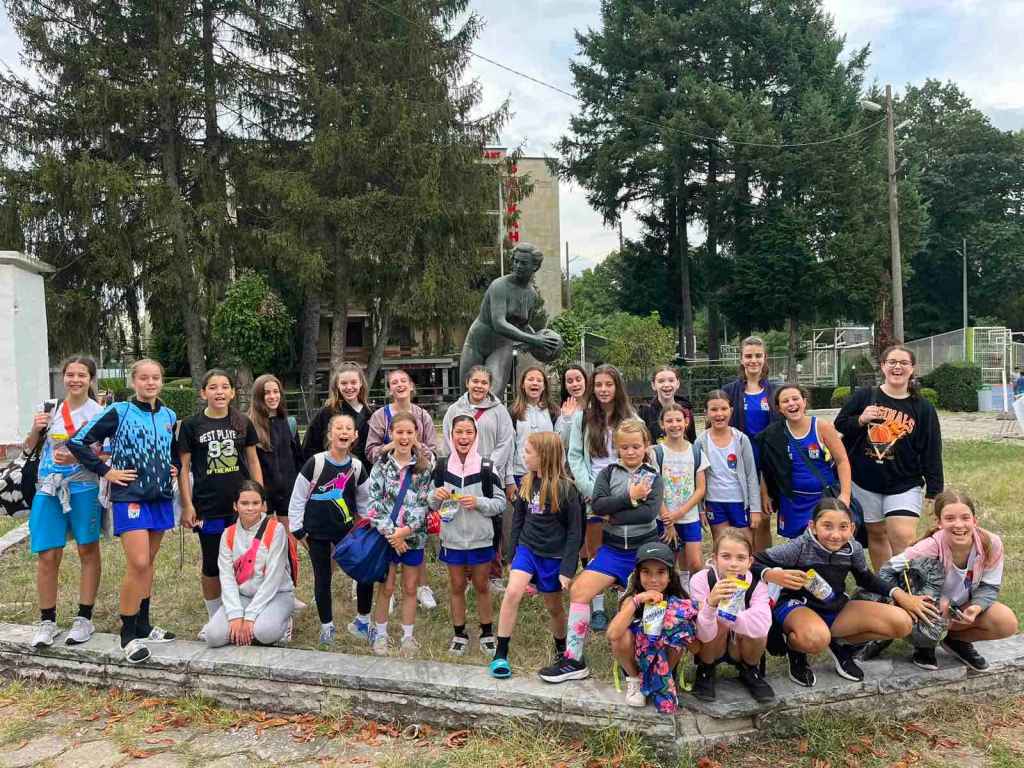
Simultaneously, the initiative strongly supports the Erasmus+ priority of promoting widespread participation in sports and physical activity. Modern public health discussions increasingly emphasize the vital importance of an active lifestyle for all segments of the population, yet individuals with intellectual disabilities frequently face systemic barriers that prevent regular exercise. The #SMILE project confronts this challenge by building sustainable pathways that integrate participants into local, national, and international sports networks, ensuring that their engagement does not end when project funding concludes.
As the training camp at the “Arena Botevgrad” draws to a close and the physical echoes of basketballs bouncing and athletes cheering fade from the arena floor, the legacy of the September 2023 gathering remains firmly established. The smiles, shared victories, and newfound camaraderie captured during the week serve as a testament to what can be achieved when barriers are intentionally dismantled through sport. With the Good Practices Handbook actively guiding organizations across Europe and a newly empowered network of sports experts carrying the torch forward, the #SMILE project continues to illuminate a path toward a more inclusive, accessible, and vibrant athletic future for all.