Every modern educator, regardless of the grade level or subject matter they teach, is fundamentally an instructor of executive functioning skills. From the early grades through high school, core cognitive abilities such as planning, organization, sustained attention, and time management quietly underpin every academic task a student undertakes. As educational frameworks increasingly recognize the neurological foundations of learning, teachers are discovering that intentionally integrating these skills into daily curricula provides the essential scaffolding all students need to achieve academic independence and long-term success.
Executive functioning refers to the core, brain-based management system of the mind that allows individuals to formulate goals, execute multi-step plans, and monitor their own progress. These cognitive processes are not innate in their fully developed forms; they mature gradually throughout childhood and adolescence, heavily influenced by environment and direct instruction. In a typical school day, students continuously draw upon these faculties. Whether they are outlining an eighth-grade English composition, solving complex multi-step mathematical equations in the fourth grade, or navigating a collaborative middle school art project, the underlying cognitive demand remains the same. Students must plan their approach, initiate tasks promptly, manage their time under pressure, and problem-solve through unexpected academic roadblocks.
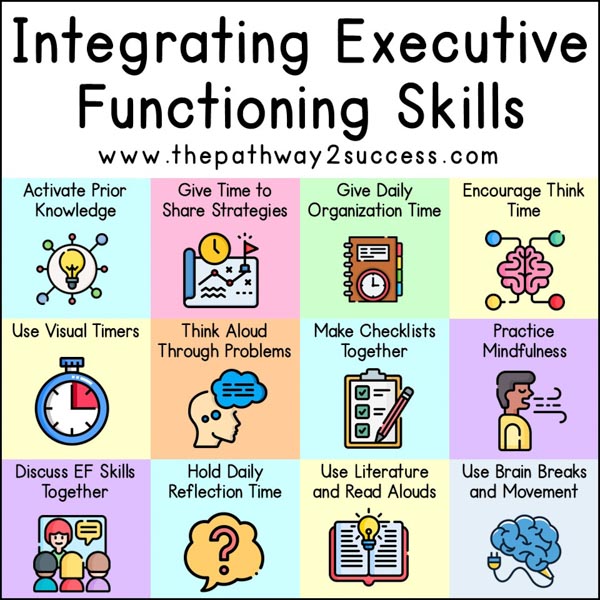
Educational experts emphasize that because these skills are already embedded in every subject area, teachers do not need to overhaul their existing curricula to address them. Instead, educators have the opportunity to intentionally highlight and target these cognitive processes using the lessons, materials, and subjects they are already teaching. By making the invisible visible—explicitly pointing out how planning or self-monitoring is being used during a science lab or a history assignment—teachers can help students bridge the gap between classroom content and metacognitive awareness.
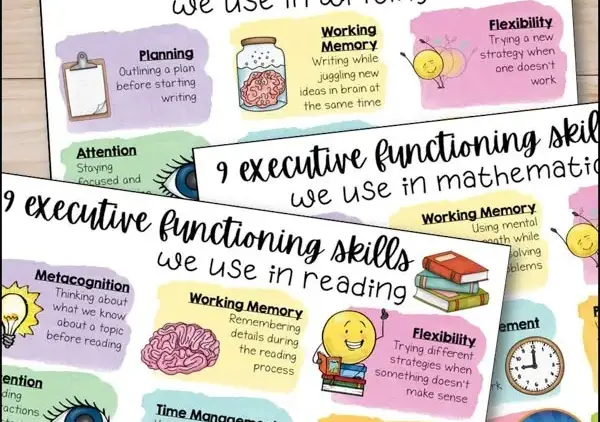
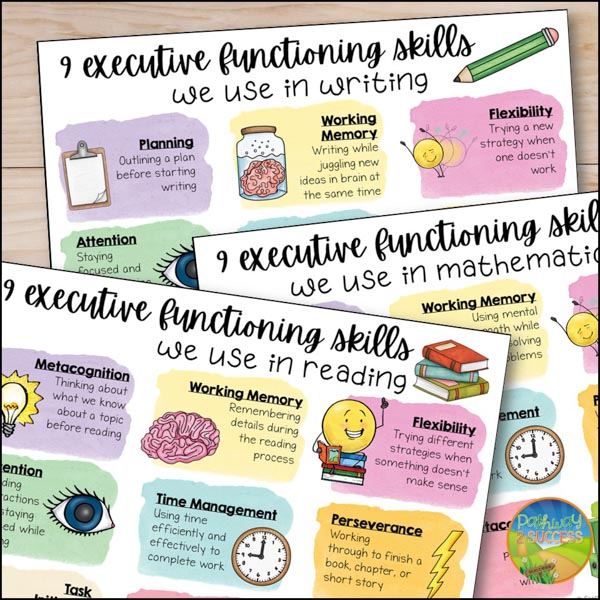
The spectrum of executive functioning encompasses several distinct yet interconnected domains that manifest across the school day. Planning involves the cognitive capacity to identify what is required to achieve a specific goal and to sequence the necessary steps to get there. Closely related is metacognition, which encourages students to think about their own thinking, evaluating their understanding and approaches as they work. Organization provides the structural framework for keeping physical materials and mental information in order, while task initiation drives the ability to overcome procrastination and begin assignments in a timely manner.
Attention and focus dictate how effectively students can concentrate on tasks, peers, and instructional ideas amidst a busy classroom environment. Time management ensures that available hours and minutes are used efficiently to meet established goals, and self-monitoring allows learners to continuously check in on their performance to ensure they remain aligned with their objectives. Furthermore, self-control equips students with the pause needed to think before making behavioral or academic choices, while perseverance and problem-solving enable them to push through frustration when facing rigorous challenges. Finally, flexible thinking empowers students to consider alternative perspectives and gracefully adapt to shifting classroom dynamics or unexpected assignment changes.
While integrating these skills into existing content remains a primary strategy, many schools are finding value in dedicating brief, focused periods of time to explicit instruction. Educators note that this does not require a massive allocation of instructional time. Short mini-lessons, lasting only a few minutes, can successfully introduce, explain, and reinforce specific cognitive strategies without disrupting the broader curriculum.
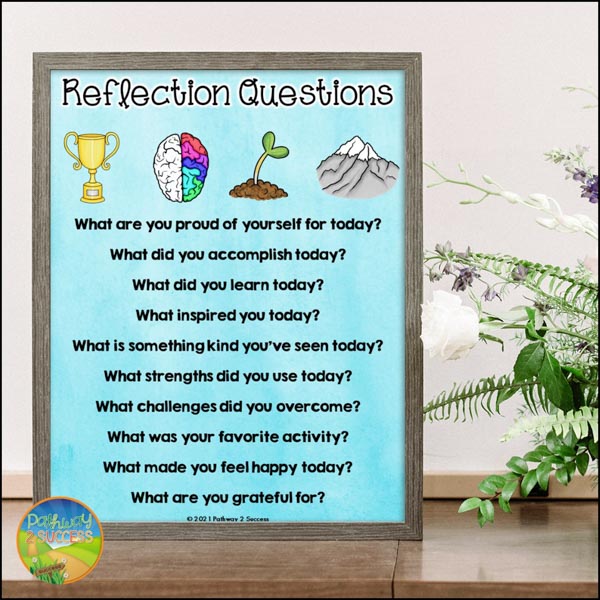
Schools are exploring a variety of creative methods to keep these concepts prominent throughout the school year. Direct mini-lessons offer a structured way to discuss what a particular skill means, why it matters, and how students can consciously strengthen it over time. Other classrooms utilize a "word of the day" approach, introducing specialized vocabulary such as neuroplasticity, momentum, routine, and self-discipline, complete with guided questions to spark critical thinking. Daily motivational quotes, targeted discussion prompts, and reflective questions at the conclusion of the day also serve as low-barrier entry points for reinforcing concepts like organization, self-control, and resilience.
Additionally, educators frequently leverage literature through read-aloud sessions, pausing at strategic moments to examine how fictional characters navigate problems, make choices, or persevere through adversity. These discussions allow students to analyze executive functioning in a narrative context before applying those same observations to their own lives.
As educational standards continue to evolve, the intentional integration of executive functioning skills offers a bridge between academic content and cognitive development. By weaving these practices into everyday teaching, educators are equipping students with the critical tools necessary to navigate not only their current grade levels, but the complex challenges of life beyond the classroom.