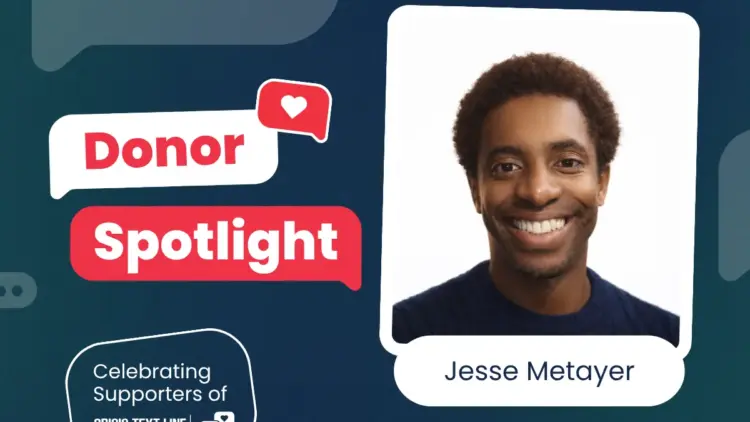
Every text message received by crisis intervention services is answered because someone believed it mattered enough to make that support possible. For many individuals facing acute emotional distress, systematic poverty, natural disasters, or personal hardships, the presence of a compassionate voice can mark the critical turning point between despair and hope. This month, mental health organizations and advocates are shining a spotlight on Jesse Meyer, a dedicated donor, volunteer, and mental health advocate whose ongoing generosity and active participation help train the very Crisis Counselors who show up for texters during their darkest and most challenging moments.
Meyer’s journey toward becoming a pillar of support for others is deeply rooted in his own lived experiences with overcoming emotional struggles, dismantling personal stigmas, and learning the true value of empathy. Through a candid retrospective and question-and-answer feature, Meyer recently shared how his personal evolution transformed his perspective on mental healthcare, why he chose to dedicate his time and financial resources to crisis intervention, and how the art of active listening has reshaped both his personal life and his professional outlook.
Breaking Down the Stigma of Mental Health
Reflecting on the origins of his philanthropic commitment, Meyer opened up about the challenges he faced during his formative years. Spending most of his childhood feeling fundamentally different from his peers, he navigated learning disability classes throughout his school years, constantly trying to conceal how difficult everyday academic and social tasks were for him. By the time he reached the age of eighteen, the accumulated weight of these struggles led him to drop out of college and withdraw into isolation.
In what he describes as his darkest moment, Meyer felt as though all hope had vanished. Faced with overwhelming emotional distress, he made the pivotal decision to reach out for professional help. That single step fundamentally altered the trajectory of his life. His therapist listened with profound empathy, providing essential emotional support and practical resources that enabled Meyer to gradually rebuild and improve his mental health.
That transformative experience shattered a misconception that Meyer had previously held about psychological care. He admitted that he used to believe therapy was exclusively intended for individuals suffering from severe mental illnesses—a prevalent stigma that he now recognizes as entirely untrue. Through his own recovery, Meyer came to understand that anyone, at any given moment in their lives, can experience unexpected difficulties and emotional distress. Recognizing that professional intervention is a universal resource rather than a measure of last resort inspired him to ensure that others facing similar crises would have access to the same life-saving support he received.
Transforming ‘Hot Moments’ Into ‘Cool Moments’
Meyer’s dedication to mental health advocacy extends far beyond financial contributions; he actively serves on the front lines as a volunteer Crisis Counselor. Prior to taking his first shift, he completed an intensive six-week training program designed to equip volunteers with evidence-based emotional de-escalation techniques, active listening strategies, and crisis management frameworks.
The practical application of these training methods quickly proved transformative. Meyer shared that he has frequently utilized these emotional techniques when communicating with texters who reach out to the platform in acute distress. By employing structured pacing, validating statements, and compassionate inquiry, he has successfully guided numerous initial conversations through what he terms "hot moments"—periods of intense panic, emotional volatility, or despair—and transitioned them into "cool moments." By the conclusion of these chats, texters are often guided to a place of emotional stabilization and personal empowerment.
For Meyer, the satisfaction derived from knowing he has made a tangible difference in another human being’s life is immeasurable. When individuals reach out for help, they are often experiencing some of the most vulnerable hours of their lives. Being on the receiving end of those messages carries a profound responsibility, one that Meyer meets with unwavering patience and nonjudgmental acceptance.
The Value of Free, 24/7 Mental Health Support
When discussing why he prioritizes mental health initiatives in his charitable giving, Meyer emphasizes the critical need for accessible, barrier-free intervention. People suffering from acute emotional distress are frequently isolated, and when financial barriers prevent them from seeking professional care, the risks escalate significantly.
Crisis intervention platforms provide free, round-the-clock mental health support to anyone in need, regardless of their financial circumstances, geographic location, or background. Meyer notes that donors serve as the essential backbone that keeps these digital platforms operational, free, and active twenty-four hours a day, seven days a week. Without donor support, individuals facing disasters, economic hardship, or personal trauma would lack the immediate assistance required to navigate their darkest hours.
Through his dual role as both a financial donor and an active volunteer, Meyer has experienced firsthand the robust support network provided by the organization. He credits the guidance of supervisors and coaches, who remain readily available to answer questions and offer debriefing support, with strengthening his own skills and confidence as a counselor. This collaborative environment reinforced his belief in the efficacy of the organization’s model and solidified his commitment to long-term philanthropic giving.
Cultivating Empathy, Patience, and Personal Growth
Giving back to a cause deeply aligned with his personal history has yielded profound internal benefits for Meyer. Professionally and personally, the experience of listening to individuals in deep distress has transformed how he processes conflict and stress in his own daily life.
One of the most valuable lessons Meyer has learned through his volunteer work is the importance of slowing down and refusing to make impulsive decisions when emotions are running high. By exercising deliberate patience, he has sharpened his critical thinking skills, allowing him to approach stressful situations with a clear and balanced mind. Furthermore, the rigorous training in active listening has taught him to look beyond surface-level words to truly understand a person’s underlying emotions and needs. He applies these insights to his relationships with friends and family, recognizing that listening before judging prevents misunderstandings and fosters deeper human connection.
Beyond his advocacy and philanthropic work, Meyer maintains his own mental health through a balanced routine that incorporates personal faith, community engagement, and creative fulfillment. He is actively involved in church activities, visits the gym regularly, and enjoys taking long walks in local parks to clear his mind. Additionally, he dedicates time to personal technology projects, such as developing the StarTalk app, which brings him a deep sense of joy and tranquility.
A Message of Hope for Donors and Texters Alike
As mental health organizations continue to expand their reach to meet growing global demand, advocates like Jesse Meyer serve as a reminder of the profound impact that individual compassion can have on a systemic scale. His journey from isolation and despair to empowerment and advocacy illustrates the cyclical nature of healing: by receiving help when he needed it most, he gained the tools necessary to extend that same lifeline to countless others.
For individuals who may be contemplating supporting mental health initiatives or contributing as donors, Meyer offers a clear perspective. He emphasizes that financial contributions directly sustain a vital public service, ensuring that vulnerable individuals receive essential emotional assistance that would otherwise be out of reach.
At the same time, Meyer extends a compassionate message to anyone who might currently be struggling in silence. He reminds them that they are never truly alone and that reaching out for help—whether through a crisis text line or a trusted professional—represents the courageous first step on the path toward healing, renewal, and enduring hope.