, Safety, and Cost
Choosing the right personal emergency response system, commonly known as a medical alert system, can prove to be a lifesaving decision for seniors and their families. With a crowded market offering a diverse array of features, finding a solution that guarantees reliability, ease of use, and lasting peace of mind has become a priority for aging adults and the loved ones who care for them.
Whether households are searching for an in-home system designed to secure daily routines or a mobile device equipped with global positioning system tracking to support an active lifestyle, understanding core product features remains crucial. Navigating this marketplace involves examining essential questions regarding fall detection capabilities, monitoring services, upfront and recurring costs, and overall device wearability. By addressing these factors carefully, families can make informed decisions that ensure safety without compromising comfort or household budgets.
Evaluating System Types: In-Home Versus Mobile Options
The first major decision in selecting a personal emergency response system involves determining whether an in-home unit or a mobile device best fits the daily routine of the user. Standard in-home systems typically rely on a base unit connected either to a traditional landline or a cellular network, making them an ideal choice for seniors who spend the vast majority of their time inside or immediately around the house. Users of these traditional setups can generally wander between 800 and 1,400 feet from the base station before losing their connection, a range that easily covers daily indoor activities and even outdoor tasks like tending to a garden.

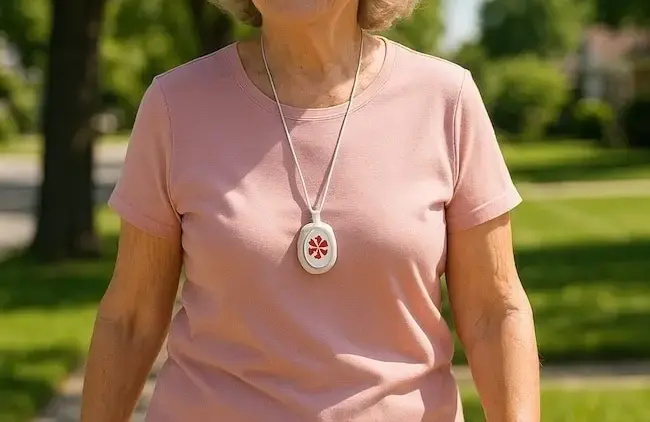
On the other hand, cellular-based medical alert pendants and watches allow users to travel away from home—such as driving to a local pharmacy or visiting friends—without losing service or sacrificing personal safety. These mobile devices incorporate location tracking, which proves especially beneficial for individuals who may experience cognitive wandering or require assistance while away from familiar surroundings. They serve active seniors who travel, run errands independently, or enjoy spending time outdoors.
Hybrid options have also emerged to bridge the gap between stationary and mobile needs. Many modern residences, particularly newer apartment complexes, no longer feature traditional landline phone connections. In response, systems utilizing cellular-connected base stations paired with mobile pendants provide extensive indoor coverage. For instance, families setting up equipment in modern apartments find that cellular base stations with built-in battery backups offer reliable protection. Even during accidental power disruptions or minor equipment relocations, these units maintain functionality, though accidental activations can occasionally prompt rapid responses from local emergency services.
When comparing these options, suitability depends heavily on daily habits. Homebound seniors or those who rarely leave the house without a companion are best served by in-home systems that feature stationary base stations and long-lasting wearable buttons that rarely require recharging. Conversely, active older adults who drive and manage errands independently benefit significantly from mobile units that provide nationwide cellular coverage and dedicated location tracking, though these wearable devices require regular battery charging every few days.
Understanding Automatic Fall Detection Technology
A critical feature available in many modern personal emergency response systems is automatic fall detection. This technology uses built-in motion sensors, such as accelerometers and gyroscopes, to detect sudden changes in movement indicative of a fall. When a fall is registered, the system automatically alerts emergency services, providing an essential layer of protection even if the user becomes incapacitated and unable to press a manual emergency button.

While standard medical alert buttons remain the baseline for most systems, they rely entirely on the user’s ability to trigger an alert manually during a crisis. Fall detection bridges that gap for high-risk individuals, though the technology typically incurs an additional monthly fee. Similar motion-sensing technology is also increasingly integrated into mainstream consumer electronics, such as modern smartphones and smartwatches, offering alternative pathways for personal safety monitoring.
Professional Monitoring Services and Response Times
The reliability of a medical alert system ultimately rests on the quality of its remote monitoring service. When evaluating providers, experts recommend verifying that the company offers 24/7 professional monitoring to ensure that help remains accessible at any hour of the day or night. Response times represent another vital performance metric, with top-tier systems maintaining average response times under thirty seconds to ensure rapid communication during emergencies.
Furthermore, the underlying connection method heavily influences reliability. Cellular-based monitoring systems are frequently favored over traditional landline models because they remain operational during residential power outages, eliminating a significant point of failure during severe weather events or neighborhood electrical grid disruptions.
Analyzing Total Costs and Contract Flexibility
Financial considerations play a major role in selecting an appropriate medical alert system. Consumers must carefully examine total costs, which typically combine upfront equipment charges with ongoing monthly service fees. While some providers offer equipment at no additional cost upon signing up for a subscription service, others require separate purchases for hardware. Monthly fees generally range from twenty to fifty dollars depending on the chosen feature set, such as mobile GPS capabilities or fall detection add-ons.

Industry advocates consistently advise consumers to avoid long-term contracts whenever possible, favoring flexible month-to-month service agreements instead. Additionally, buyers should review potential hidden expenses, such as activation fees, equipment return charges, or extra costs associated with premium monitoring tiers.
Ensuring Comfort, Usability, and Additional Features
Beyond technical specifications and pricing, the day-to-day usability of a medical alert device dictates whether a senior will consistently wear it. Pendants and wristbands must feature lightweight, waterproof designs that do not hinder daily routines. Bulky or overly complex watch designs can cause discomfort on the wrist, reducing the likelihood that the user will keep the device on.
Battery performance is equally important for mobile devices, which generally need to maintain a charge for twenty-four to forty-eight hours to remain effective. For in-home systems, verifying that the wearable signal reaches every corner of the house and yard ensures there are no dangerous coverage gaps.
Additional considerations include family notification features, which can alert designated relatives alongside professional dispatchers, and potential integration with smart home ecosystems like virtual assistants. Reviewing independent customer feedback through consumer protection organizations and senior advocacy groups also helps families gauge the real-world reliability of different service providers.

Caregivers and older adults evaluating these technologies must carefully weigh their specific lifestyle requirements, physical health risks, and budgetary limits before making a final commitment. Because personal circumstances vary widely, consulting with healthcare professionals or members of a care team can provide valuable guidance in choosing the most appropriate safety solution.