Health care costs and broader economic anxieties played a decisive role in shaping voter behavior during the 2026 midterm elections, serving as a powerful catalyst for Democratic candidates across key congressional and Senate races. According to a comprehensive analysis released by KFF, rising expenses related to medical care, gas, and groceries fueled intense voter concern and shifted political dynamics compared to previous election cycles.
The findings are drawn from supplemental questions added by KFF to The Voter Poll by SSRS, a large-scale survey of the midterm electorate conducted nationally and across all 50 states. The data provides a detailed look at how the cost of living influenced voting decisions, public perception of the federal government’s role in health care, and reactions to the health policies of the Trump administration. The dashboard also incorporates select questions from the NORC Civic Health and Elections Project, offering a multi-faceted view of voter sentiment as of November 4, 2026.
The Role of Health Care Costs as a Voting Issue
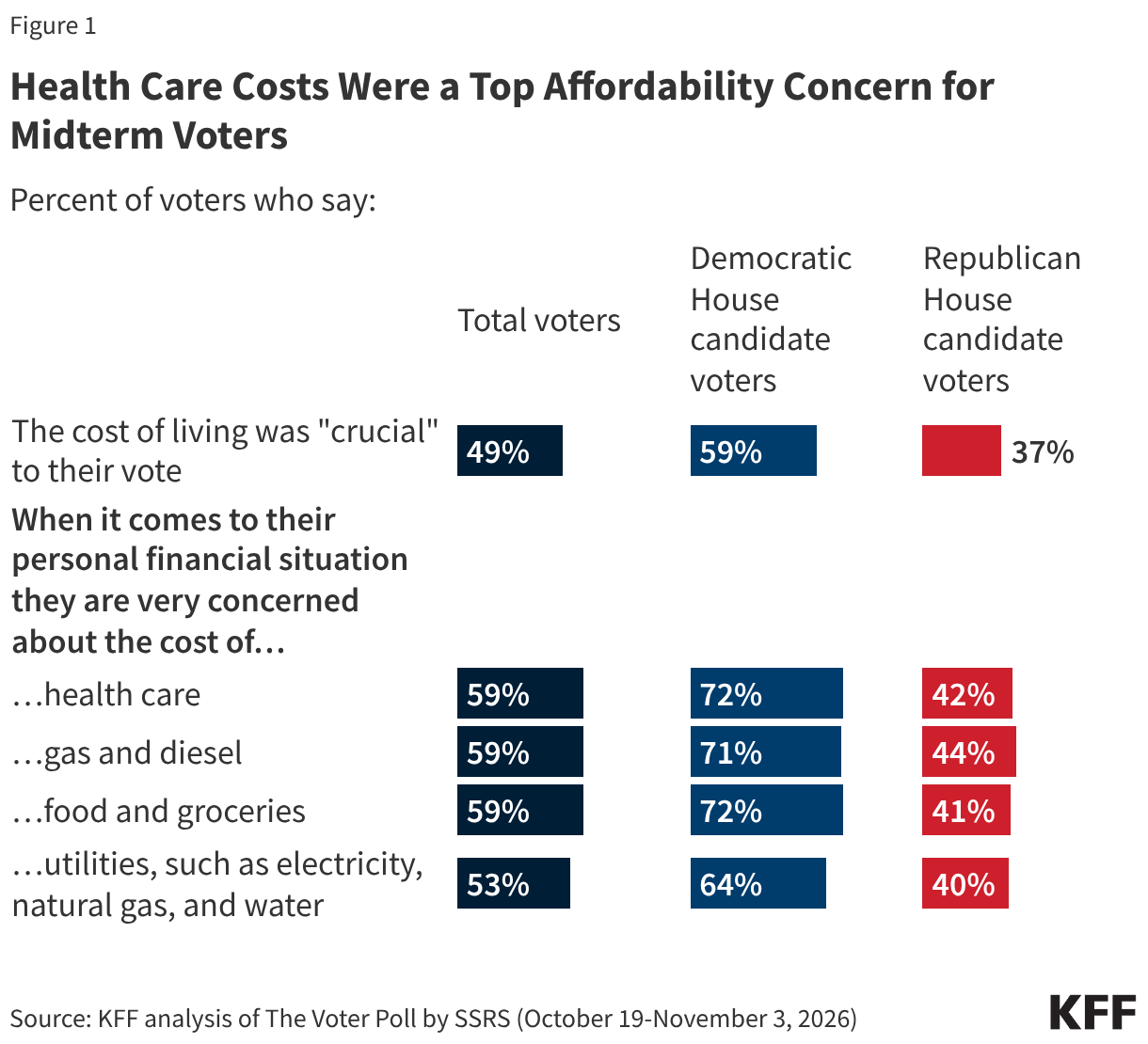
Throughout the 2026 midterms, the cost of living remained a paramount concern for Americans navigating household budgets. Health care expenses stood alongside the costs of gas, diesel, and food as primary stressors for families nationwide. Among voters overall, roughly half described the cost of living as a "crucial" factor in determining their vote for Congress. This sentiment was particularly pronounced among supporters of Democratic House candidates, with about six in ten rating the cost of living as crucial, compared to fewer than four in ten among Republican House voters.
When evaluating their personal financial situations, about six in ten voters overall reported being "very concerned" about the costs of gas, diesel, health care, and groceries, while a slightly smaller share expressed deep concern over utility bills. partisan divides were stark on these metrics. Approximately two-thirds or more of Democratic House voters voiced concern across these essential spending categories, contrasted with roughly four in ten Republican House voters.
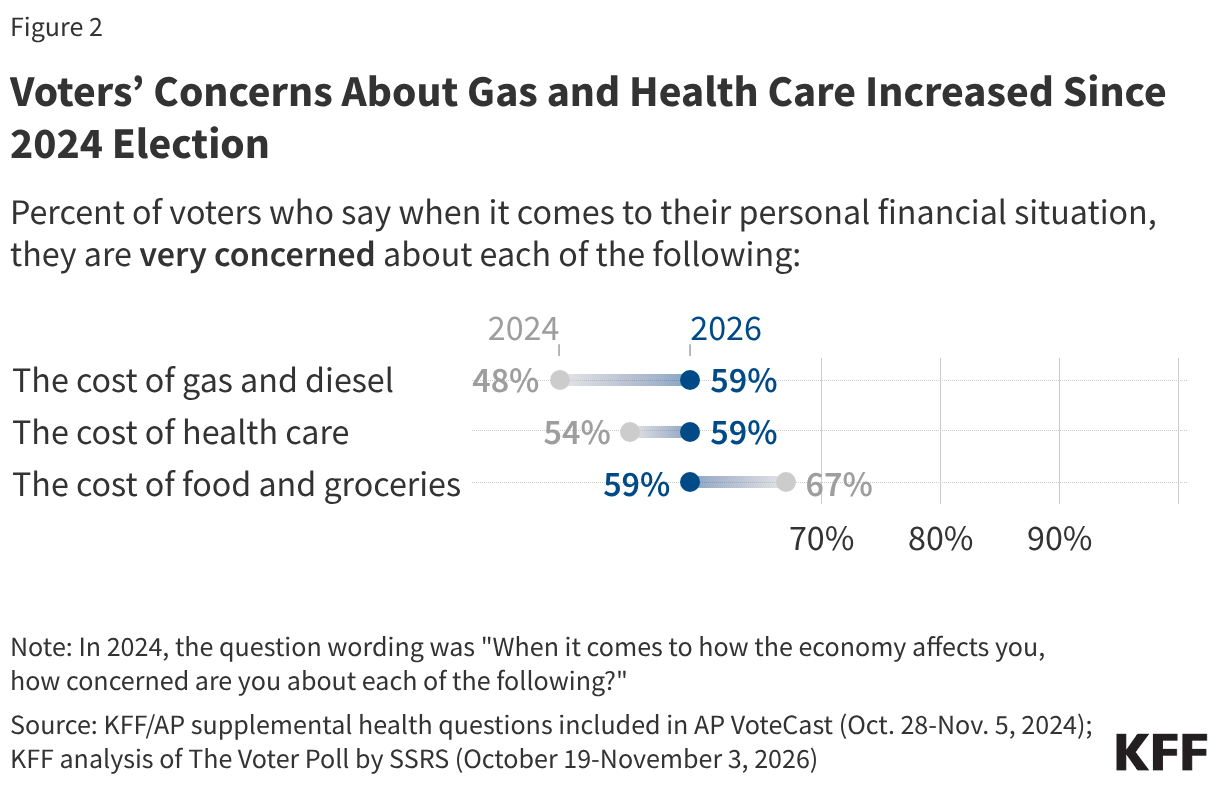
Longitudinal comparisons highlight shifting economic pressures. Compared to the 2024 presidential election, voter concern regarding the price of gas and diesel surged by eleven percentage points in the midterms, while anxiety surrounding health care costs increased by five percentage points. Conversely, the proportion of voters expressing deep concern over food and grocery expenses declined by eight percentage points.
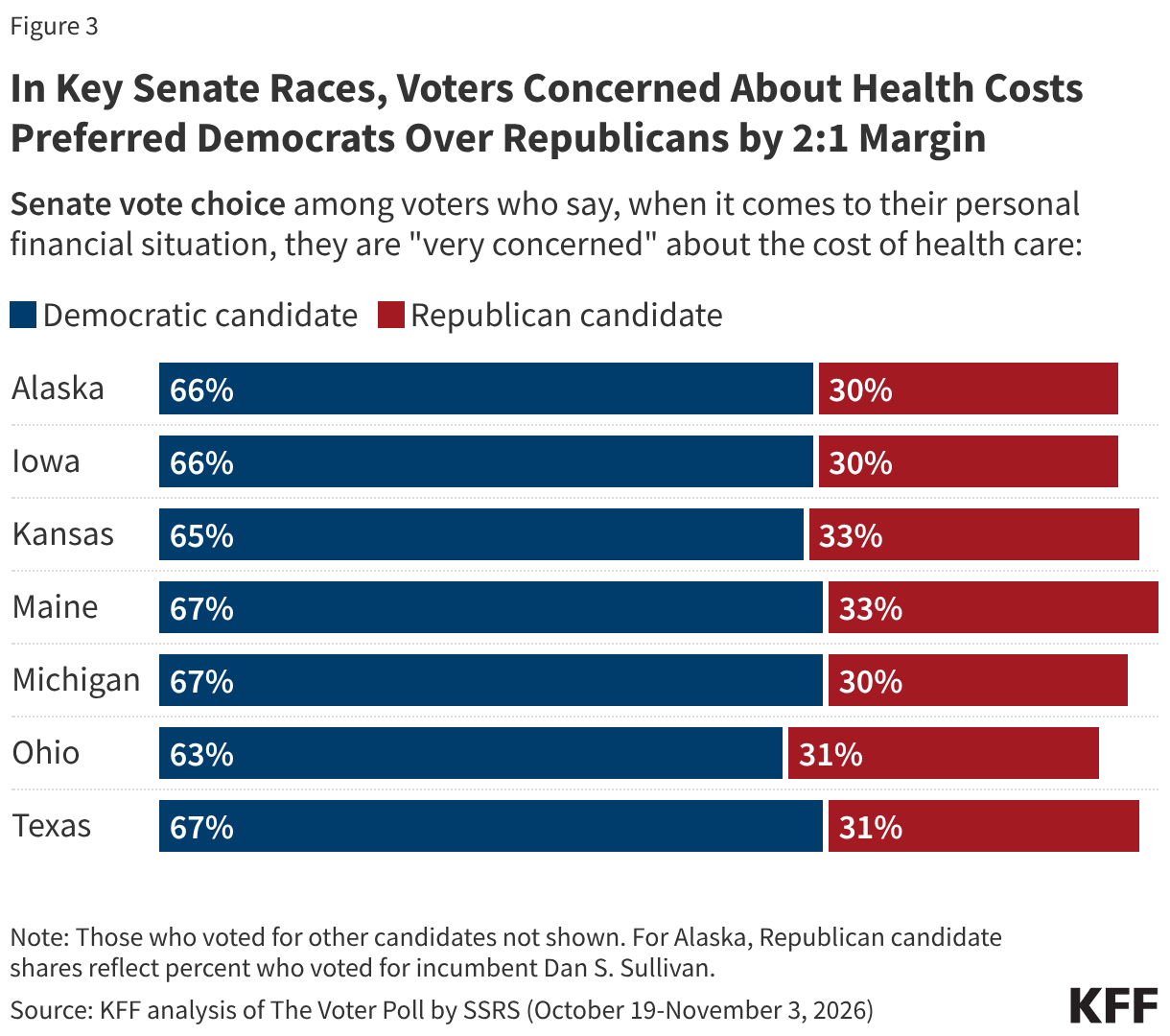
These financial anxieties translated directly into electoral outcomes in competitive Senate contests. In key battleground states, Democratic Senate candidates secured a commanding advantage among voters troubled by medical expenses. Approximately two-thirds of voters who reported being very concerned about health care costs cast their ballots for the Democratic Senate candidate across seven battleground states, while only about three in ten supported the Republican alternative. This trend marks a notable reversal from the 2024 presidential election, where voters expressing similar anxiety over health care favored Donald Trump over Kamala Harris by a ten-point margin.
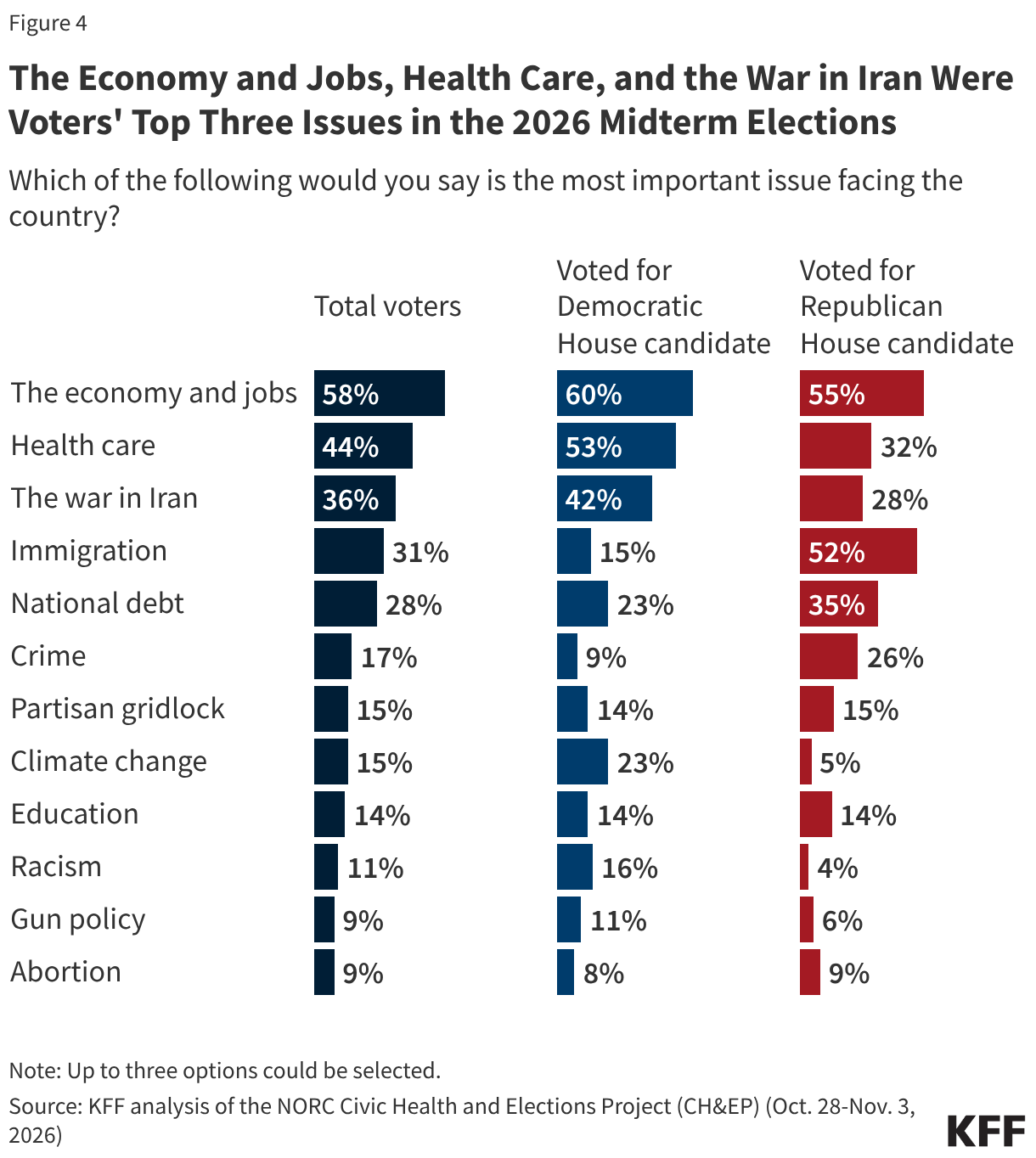
While the broader economy and job market remained the single most important national issue for roughly six in ten voters, health care emerged as a formidable secondary priority. When permitted to select up to three critical issues through the NORC Civic Health and Elections Project survey, roughly four in ten voters nationwide identified health care as an important issue. Health care ranked as the second-highest priority for supporters of Democratic House candidates, whereas immigration dominated as a top concern among voters backing Republican House candidates.
Party Preferences on Health Care
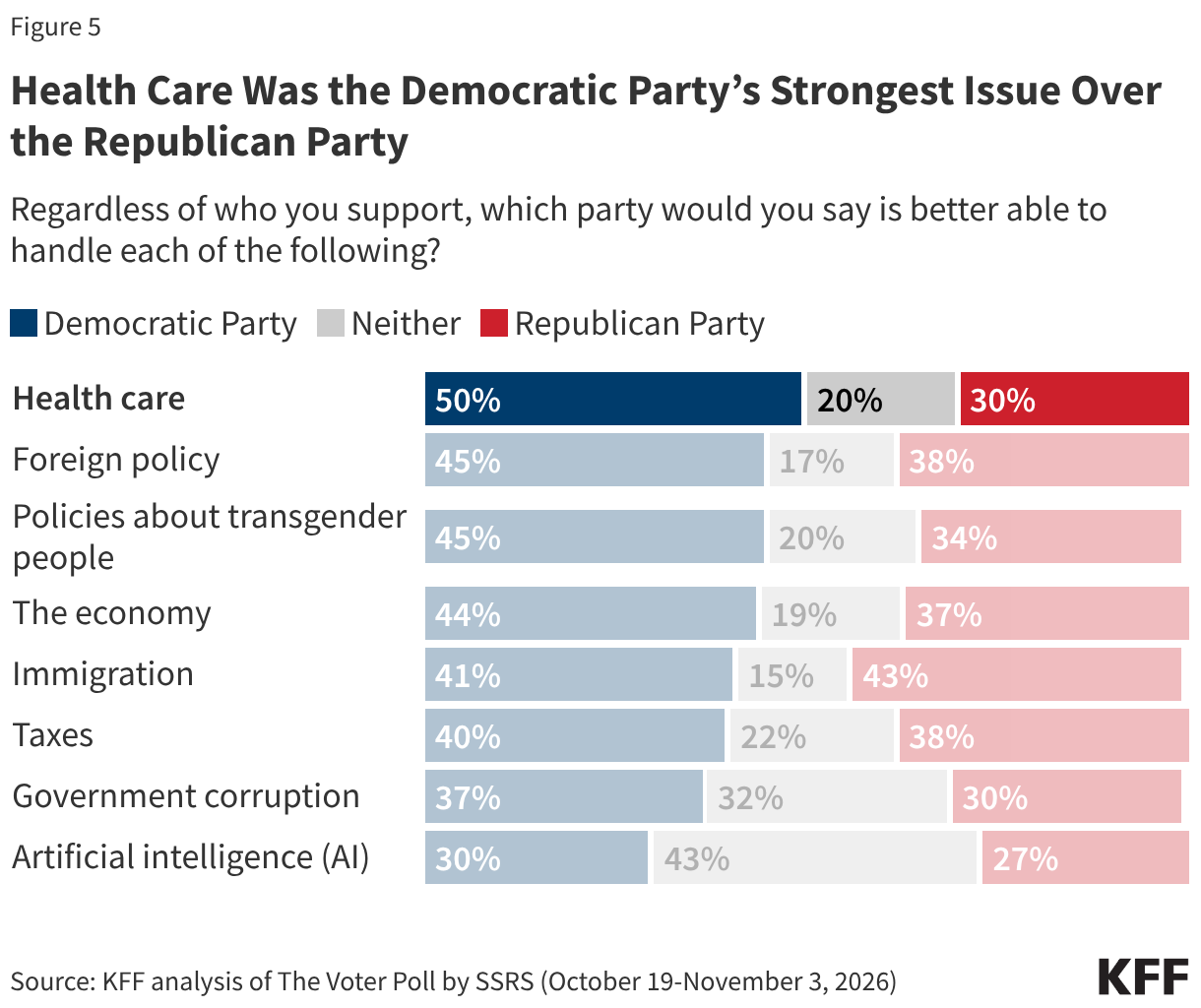
When evaluating which political party was better equipped to handle specific policy areas, midterm voters frequently gave the Democratic Party the edge, even on traditional Republican strongholds. Despite the GOP’s historical advantage on the economy, voters favored Democrats 44 percent to 37 percent regarding handling the economy and jobs.
Health care, however, represented the Democratic Party’s strongest policy domain. Half of all surveyed voters stated that the Democratic Party could better handle health care, compared to just three in ten who selected the Republican Party, and one in five who felt neither party was up to the task. The Republican Party held a slim advantage over Democrats solely on the issue of immigration, which ranked as the second-biggest concern for conservative voters.
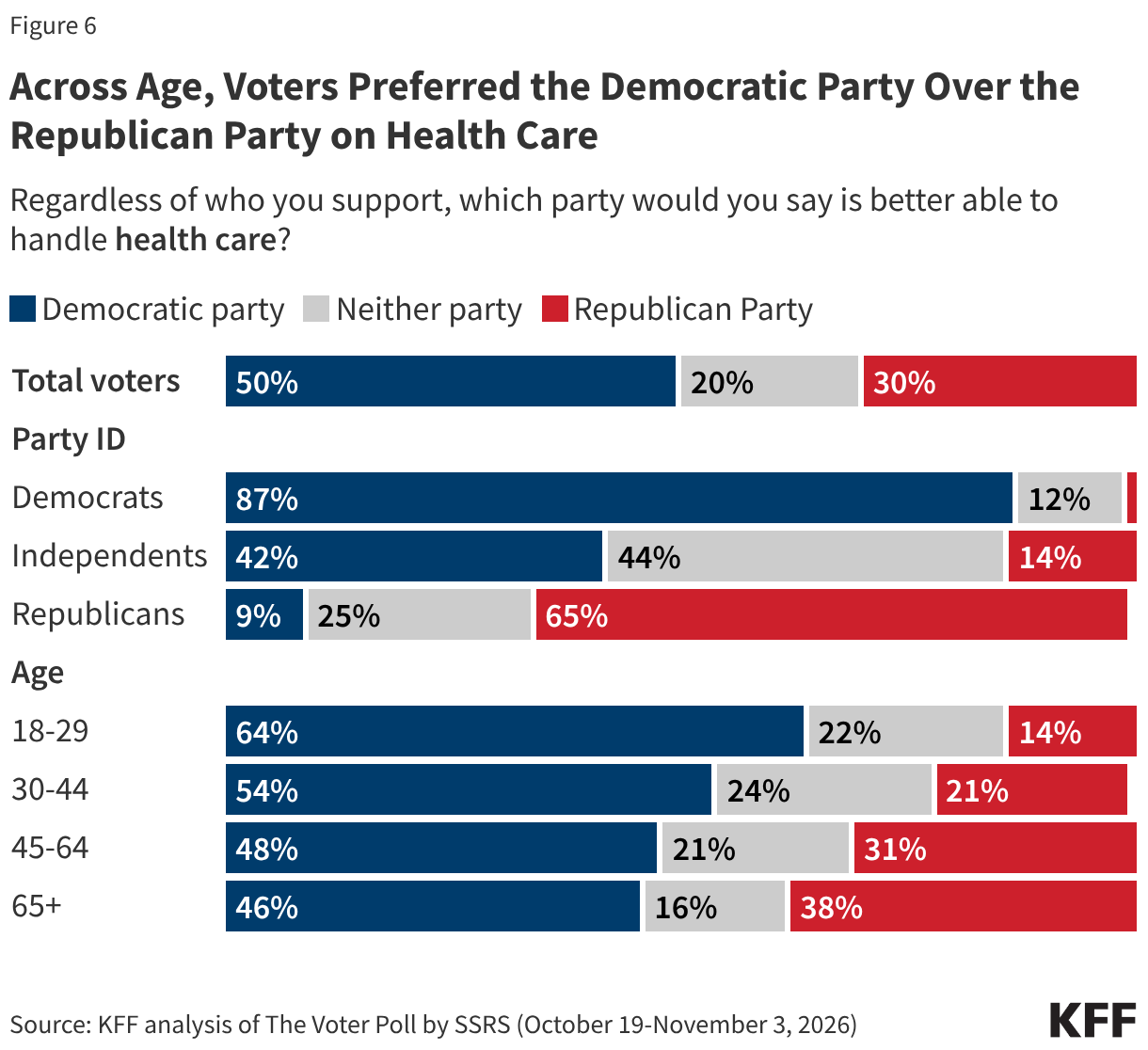
Independent voters broke heavily for the Democrats on health care, favoring them by roughly a 3-to-1 margin, though more than four in ten independents remained skeptical, stating that neither party could effectively manage the issue. Across various age demographics, the Democratic Party was consistently viewed as more capable regarding health care than the GOP, although the margin narrowed among voters aged 65 and older.
This Democratic advantage on health care extended across all critical battleground Senate states. The edge was particularly pronounced in Michigan and Maine, where voters preferred the Democratic Party by approximately twenty percentage points. In both states, the Democratic Senate nominees campaigned explicitly on Medicare-for-All, placing health care at the center of their messaging. About half of voters in Michigan and Maine stated that Democrats were better suited to handle health care, compared to roughly three in ten favoring Republicans. Double-digit Democratic advantages were also recorded in Ohio, Texas, and Iowa, while narrower margins were observed in Kansas and Alaska.
Views on the Trump Administration’s Health Care Policies
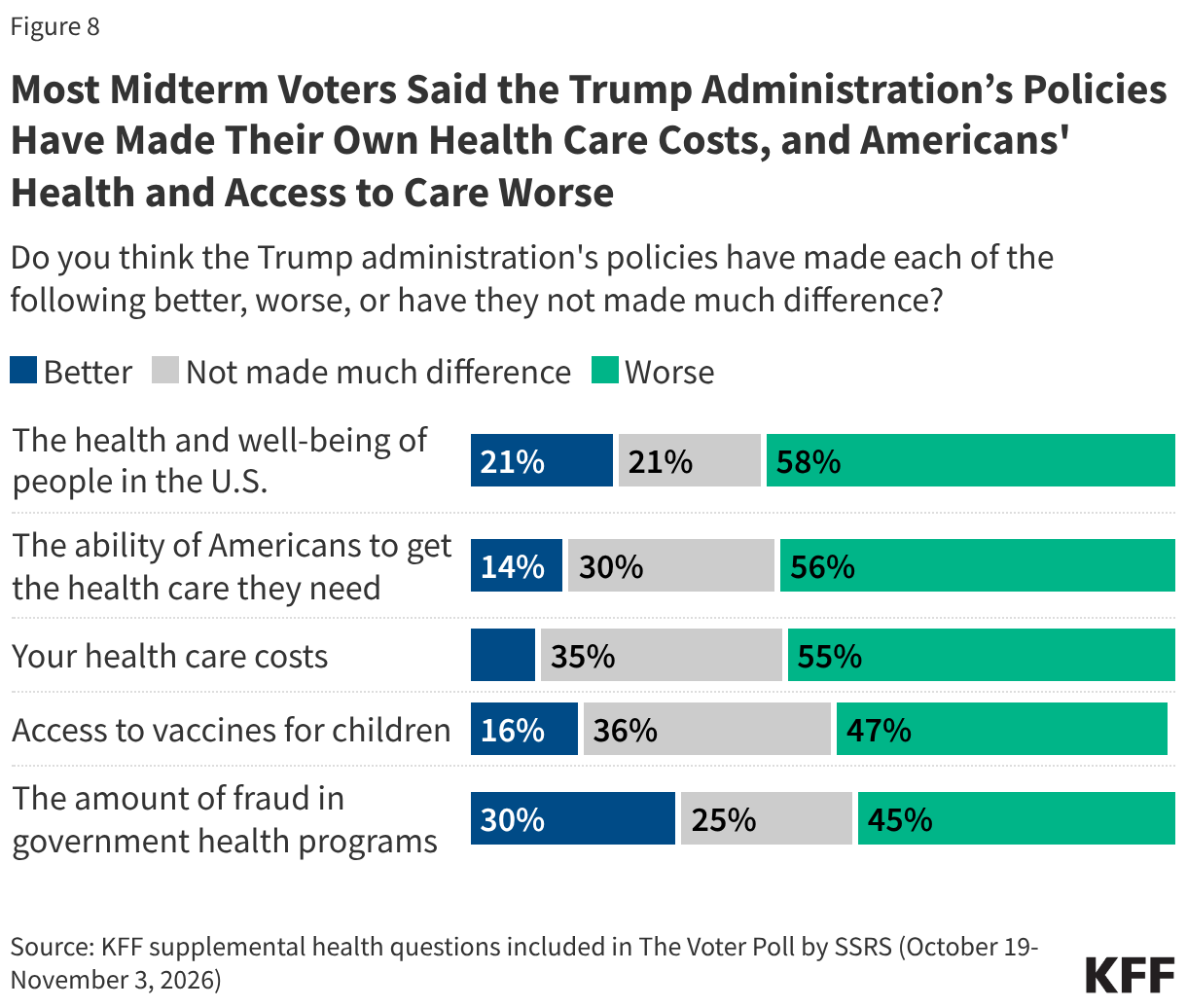
Midterm voters expressed largely critical views regarding the health care policies enacted by the Trump administration. Majorities reported that these policies had negatively impacted their personal health care costs, the broader availability of medical care for Americans, government program fraud, and overall public health and well-being.
Across multiple domains, the share of voters who felt the administration’s policies made conditions "worse" outpaced those who saw improvements by a factor of at least four to one. This critical assessment was particularly acute regarding personal finances. In key Senate battleground states, voters indicated by a margin of at least five to one that the administration’s policies had exacerbated their health care costs rather than alleviating them, with roughly four in ten reporting no discernible impact. Only one in six voters or fewer in these states believed the administration had made health care costs better.
Dissatisfaction with the administration’s economic and health policies correlated directly with voting patterns for the House of Representatives. Discontent over rising health care costs linked to federal policies drove support toward Democratic candidates among both Democrats and independents. Furthermore, approximately one in five self-identified Republicans who stated that the administration’s policies had worsened their personal health care costs ultimately voted for the Democratic House candidate in their district.
Views on the Government’s Role in Health Care
Driven by widespread anxiety over medical expenses, a majority of 2026 midterm voters indicated a desire for the federal government to assume a larger role in helping Americans secure health care. This preference was overwhelmingly shared by supporters of Democratic House candidates. Conversely, Republican voters were more divided, though a plurality expressed a preference for a reduced government footprint.
In Michigan, where the Democratic Senate candidate championed Medicare-for-All, the majority of the electorate echoed the national sentiment by calling for greater government involvement in health care. This constituency formed the core of the Democratic candidate’s winning coalition, whereas a plurality of voters supporting the Republican Senate nominee favored scaling back government intervention.
A parallel dynamic unfolded in Maine, where the Democratic Senate contender similarly campaigned on Medicare-for-All. Most Maine voters expressed a desire for a more active government role in health care, powering the candidate’s base. Meanwhile, while a plurality of voters backing the Republican Senate candidate in Maine favored a diminished government role, a notable minority within that camp expressed support for expanded government involvement.
The insights are drawn from comprehensive polling datasets, including The Voter Poll by SSRS, which surveyed approximately 80,000 registered voters nationally and across all 50 states between October 19 and November 3, 2026. This data was complemented by the Civic Health and Elections Project, a survey of roughly 95,000 registered voters conducted by NORC at the University of Chicago through early November.