The intersection of child safety and adult accessibility has long presented a complex design challenge for manufacturers of everyday household products. When federal regulations shifted last year to mandate stricter, child-resistant packaging for button cell and coin batteries, lawmakers and safety advocates successfully closed a critical loophole to protect young children from accidental ingestions. However, this well-intentioned regulatory pivot created unintended consequences for millions of older adults and individuals living with fine motor skill challenges, who suddenly found themselves locked out of their own essential medical devices.
Now, early signs indicate that the manufacturing sector is beginning to listen closely to these community concerns. Representatives from the hearing loss community have shared encouraging updates regarding how major brands are reacting to the daily struggles reported by consumers. At the American Academy of Audiology (AAA) convention held in April, Energizer’s Rayovac brand showcased a newly redesigned line of hearing aid battery packaging explicitly engineered to be more "senior-friendly." Although cutting with a pair of scissors or another tool is still required to access the cells, this notable update demonstrates that manufacturers and major corporations are paying attention when customers speak up about usability hurdles.
The journey toward safer battery packaging for zinc-air button cells accelerated dramatically in March 2024, when stringent child-resistant standards officially became a federal requirement. The primary objective behind these measures was clear and urgent: to prevent tragic ingestions by curious young children and to comply strictly with the federal safety requirements established by the Consumer Product Safety Commission under the provisions of Reese’s Law.
A pivotal provision embedded within this legislation mandates that any battery compartments containing replaceable button cell or coin batteries must be secured securely. Specifically, the law dictates that such enclosures must require the use of a tool or, alternatively, demand at least two independent and simultaneous hand movements to open. While this high standard offers vital protection for households with infants and toddlers, it fundamentally transformed the daily routine of getting power to assistive hearing devices for an entirely different vulnerable population.
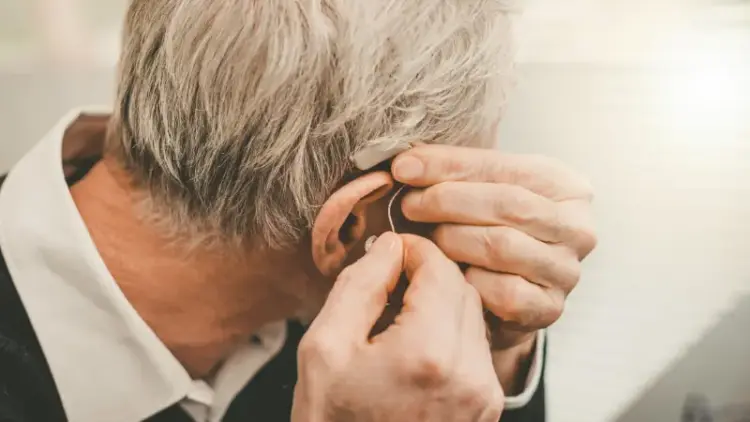
Countless hearing aid users, particularly older adults and individuals navigating conditions such as arthritis, hand tremors, neuropathy, low vision, or general limited hand strength, quickly discovered that compliant battery packaging was exceptionally difficult to manage. For these consumers, opening standard child-resistant packaging is not merely an inconvenience; it represents a daily barrier to hearing, communication, and social engagement.
The struggle with tool-dependent packaging creates profound cascading effects for individuals with dexterity issues. When packaging is overly complicated or requires excessive force, it frequently leads to frustration, dropped and lost batteries, damaged hearing aid compartments, or prolonged periods of isolation caused by the inability to operate essential assistive technology independently. For many, relying on family members or caregivers just to change a hearing aid battery strips away personal autonomy and dignity.
Recognizing these compounding difficulties, community advocates and organizations like the Hearing Loss Association of America (HLAA) have maintained an ongoing dialogue with industry leaders, emphasizing that safety measures must not inadvertently restrict access for the very individuals who depend on these devices to navigate the hearing world. The recent innovations presented by Rayovac at the AAA convention highlight a growing awareness that compliance with safety regulations does not have to come at the expense of user-friendly design.
Observers from the HLAA who attended the April convention noted that Rayovac’s updated packaging incorporates thoughtful adjustments aimed at easing the opening process while maintaining compliance with safety mandates. While cutting remains a necessary step, the overarching design philosophy focuses on improved clarity, intuitive handling, and a reduction in the physical strain typically associated with accessing button cells. This combination of strict safety adherence, clear visual labeling, and iterative design suggests that the manufacturing sector is increasingly paying attention to real-life user experiences rather than simply checking regulatory compliance boxes.
The introduction of these senior-friendly adjustments marks a welcome step forward in a broader industry conversation. Balancing the absolute necessity of child safety with the fundamental right of older adults to easily access their medical and assistive devices requires ongoing collaboration between manufacturers, advocacy groups, and federal regulators. As brands begin to iterate on their packaging designs in response to direct community feedback, consumer advocates remain optimistic that further refinements will emerge. The HLAA continues to celebrate these initial advances as meaningful progress toward packaging solutions that protect children without locking adults out of the technology they need to hear, connect, and thrive.