
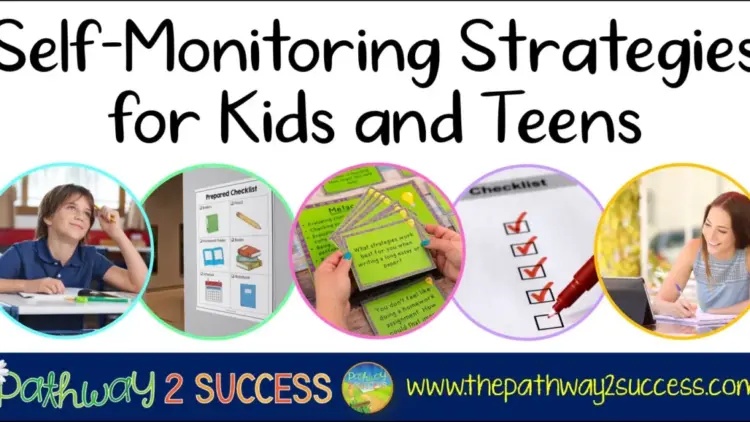
In modern classrooms and households alike, educators and parents are increasingly recognizing that academic brilliance alone is not enough to guarantee a child’s success. Behind every completed assignment, focused study session, and achieved long-term goal lies a critical set of executive functioning abilities. Among the most fundamental of these life skills is self-monitoring—an evidence-based approach that enables children and teenagers to evaluate their behaviors, maintain attention, and align their daily actions with their ultimate objectives.
At its core, self-monitoring is a straightforward yet powerful cognitive process. It involves pausing to check in with oneself to ensure that current activities remain on track. Whether children are navigating complex math problems, listening attentively to a peer’s story, or working independently to meet strict deadlines, learning to monitor their own progress provides the structural framework necessary to stay focused and avoid costly distractions. Without these foundational skills, students can easily lose sight of their objectives, making self-monitoring an indispensable component of both childhood development and lifelong achievement.
Understanding the Mechanics of Self-Monitoring
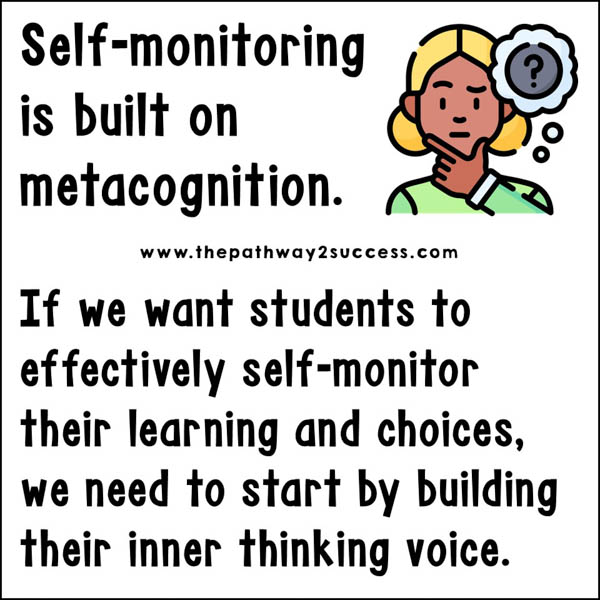
Self-monitoring operates on the principles of metacognition, which is essentially the practice of thinking about one’s own thinking. When children and teenagers master this ability, they develop an inner thinking voice that guides them before, during, and after academic tasks. Educational experts note that this skill is not innate; rather, it is a learned behavior that strengthens significantly with regular practice and intentional support.
However, sticking to a goal is rarely a linear process. Children frequently encounter tasks and responsibilities that challenge their focus, particularly when dealing with subjects or assignments they find unengaging or difficult. Recognizing that lapses in attention are entirely normal allows educators and parents to introduce supportive strategies that help students build resilience. Over time, these interventions empower young learners to make better independent choices, manage difficult emotions, and ultimately feel a greater sense of accomplishment.
Developing Inner Metacognition and Intentional Goal Setting
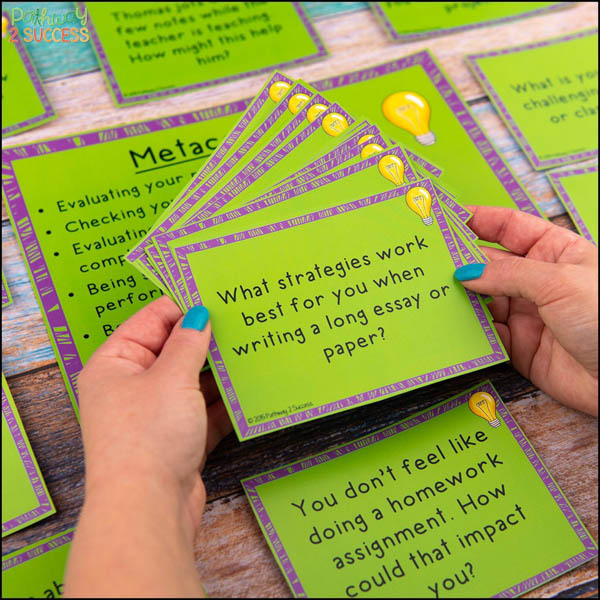
Building an effective internal dialogue requires creating structured opportunities for students to reflect on their learning processes. Educators often facilitate classroom conversations before, during, and after activities to help students analyze their focus levels. For instance, following a collaborative math assignment, a classroom discussion might center on why concentration began to wane once the material grew more complex. Similarly, a reading session might prompt learners to discuss how boredom derails their attention and what adjustments can be made in the moment.
To anchor this process from the very beginning of a task, educators frequently have students physically write out their immediate objectives on sticky notes or index cards. A student preparing for a study hall session might write down a specific target, such as reading a designated chapter of an English novel. By explicitly defining what they intend to accomplish, students establish immediate personal accountability and a clear baseline against which they can measure their progress.
Implementing Pauses, Breathwork, and Real-Time Check-Ins
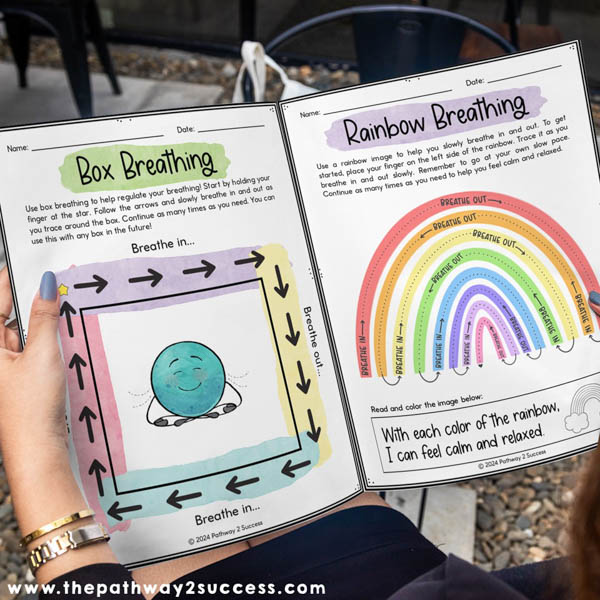
Living in a fast-paced digital environment makes the simple act of pausing exceptionally difficult for young people. To counter this, practitioners often incorporate mindful breathing exercises into daily routines. By sitting comfortably, taking slow and deliberate breaths, and counting inhalations and exhalations, students learn how to physically halt their momentum. This brief pause serves as the crucial foundation for checking in on their current state of mind and body. Evidence-based research consistently highlights mindful breathing as a versatile tool that not only aids self-monitoring but also enhances emotional self-regulation and overall focus.

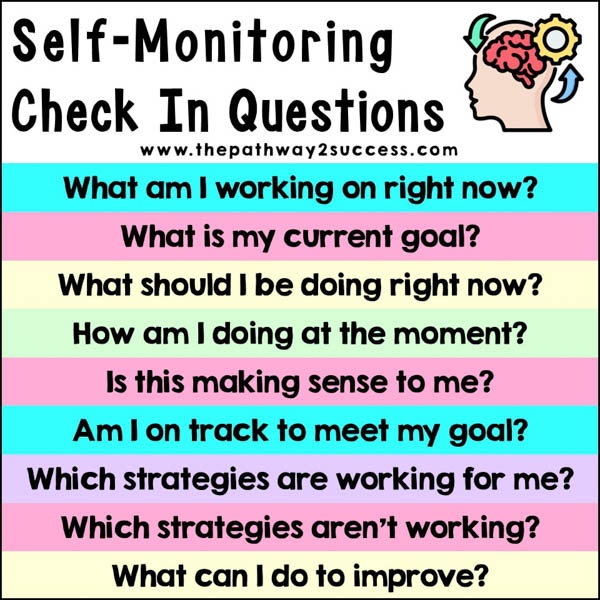
Building upon these pauses, students are encouraged to conduct mid-task check-ins. Educators might introduce a subtle chime halfway through an examination or an independent working period, signaling students to briefly look inward. By asking themselves targeted questions about their current progress and whether their approach needs adjustment, learners actively pivot back toward their original goals.
Utilizing Cognitive Supports and Behavioral Tools
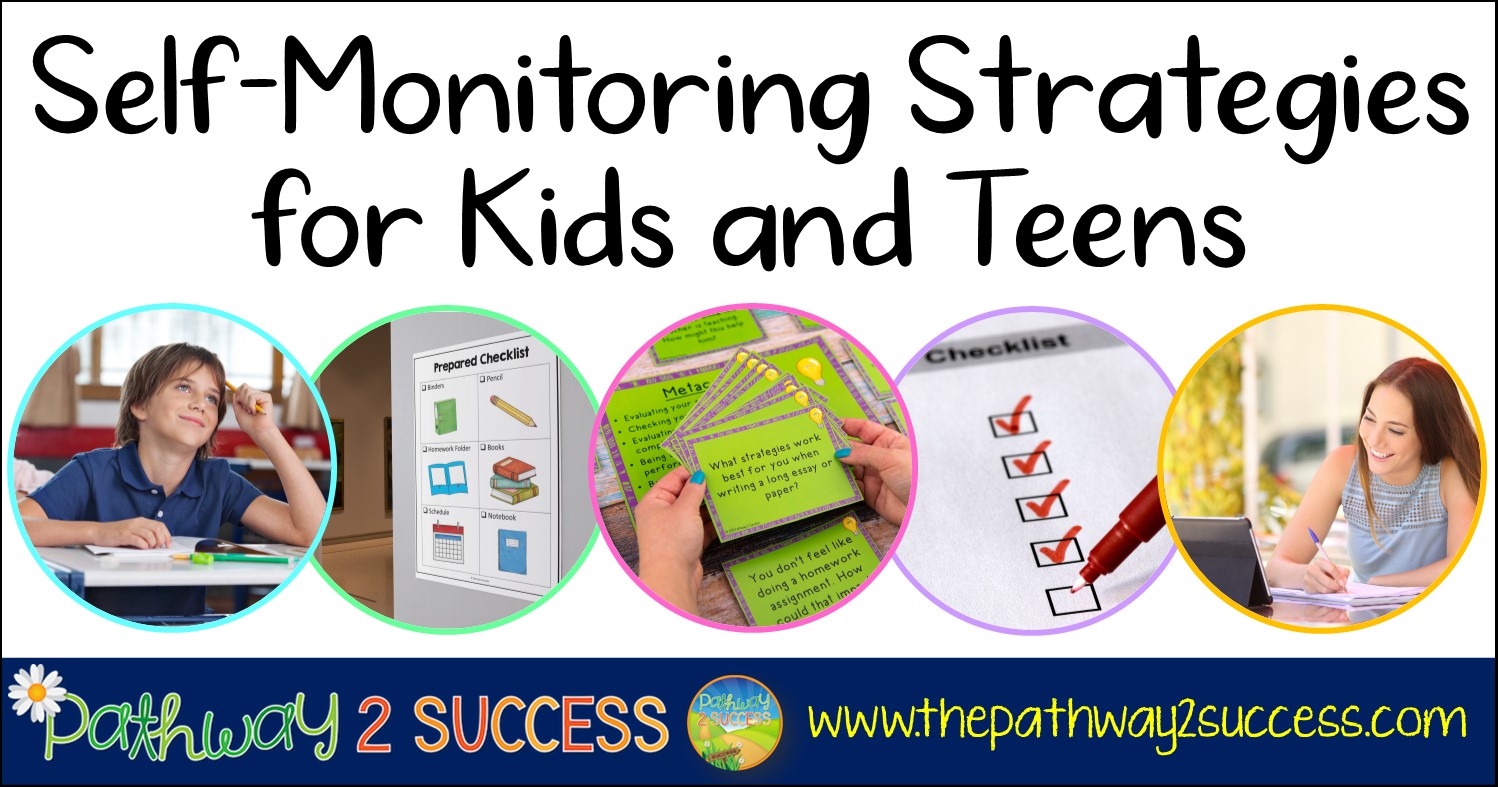
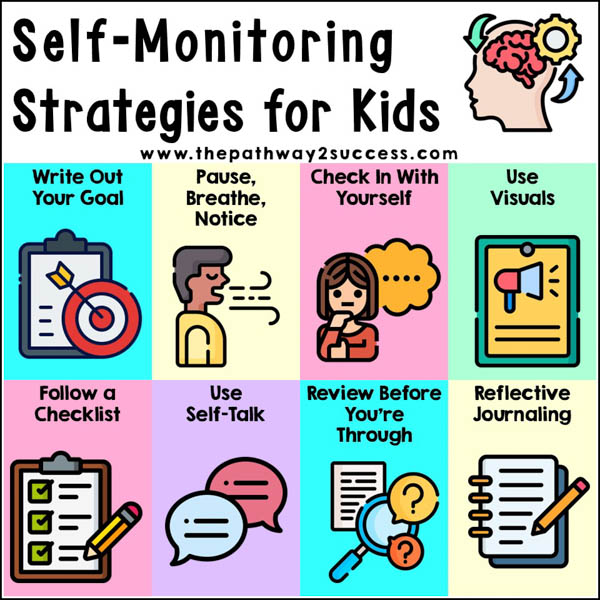
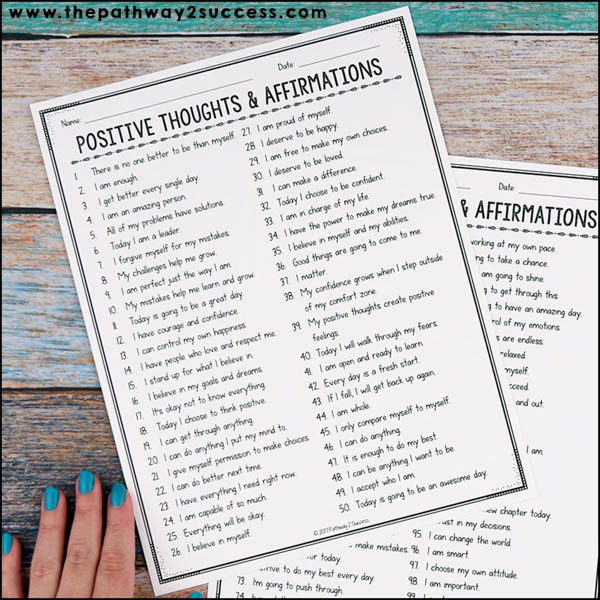
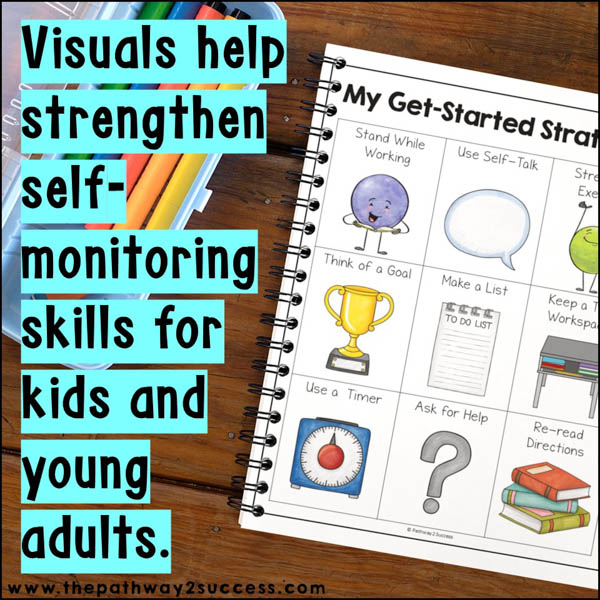
To reinforce these internal processes, a variety of external supports can be seamlessly integrated into the learning environment. Positive self-talk phrases provide verbal encouragement that helps students manage frustration and maintain momentum through challenging tasks. Paired with visual aids, such as reminder cards or customized checklists for multi-step projects, these tools offer concrete prompts that keep attention anchored where it belongs.
Additional strategies, such as maintaining tally charts for target behaviors, setting concise timers for focused work intervals, and reviewing completed assignments before submission, give students tangible ways to measure their output. Point sheets further support this by breaking larger work blocks into manageable segments, allowing learners to evaluate their performance immediately and make mid-course corrections if necessary.
Fostering Reflection and Comprehensive Executive Functioning
To ensure that self-monitoring yields long-term benefits, structured reflection plays an essential role at the conclusion of tasks. Reflective journaling gives students the space to review their experiences deeply, identifying what went well and what obstacles arose. By examining how distractions or outside factors influenced their focus, students gain valuable insights that inform their future behavior.
Ultimately, self-monitoring does not exist in a vacuum. It relies heavily on a network of related executive functioning capabilities, including self-awareness, cognitive flexibility, emotional control, and impulse management. By nurturing these interconnected skills through consistent practice, reflection, and supportive classroom strategies, educators and families can equip kids and teens with the enduring tools they need to navigate challenges independently and achieve their fullest potential.



