Public spaces are rarely neutral environments for individuals with disabilities, a reality that families navigating mobility aids, accessibility barriers, and daily ableism know all too well. For Stevie Morris and her partner, John, these encounters are an ongoing facet of family life, blending absurd public intrusions with deliberate lessons in self-advocacy for their teenage son, Robert.
The couple’s shared journey with disability advocacy often involves finding humor in unexpected places, a coping mechanism that helps transform intrusive public reactions into moments of connection and resilience. Yet, behind the laughter lies a complex, continuous mental task: teaching a young person how to recognize, process, and respond to societal biases that run counter to standard social rules.
Reflecting on an interaction from their early relationship highlights the everyday nature of these encounters. During their second date, shortly after an initial in-person meeting, John and Stevie were enjoying breakfast before a visit to the Knoxville Museum of Art. Their connection had already moved past introductory phases, built on a strong foundation of friendship and a sustained long-distance relationship.
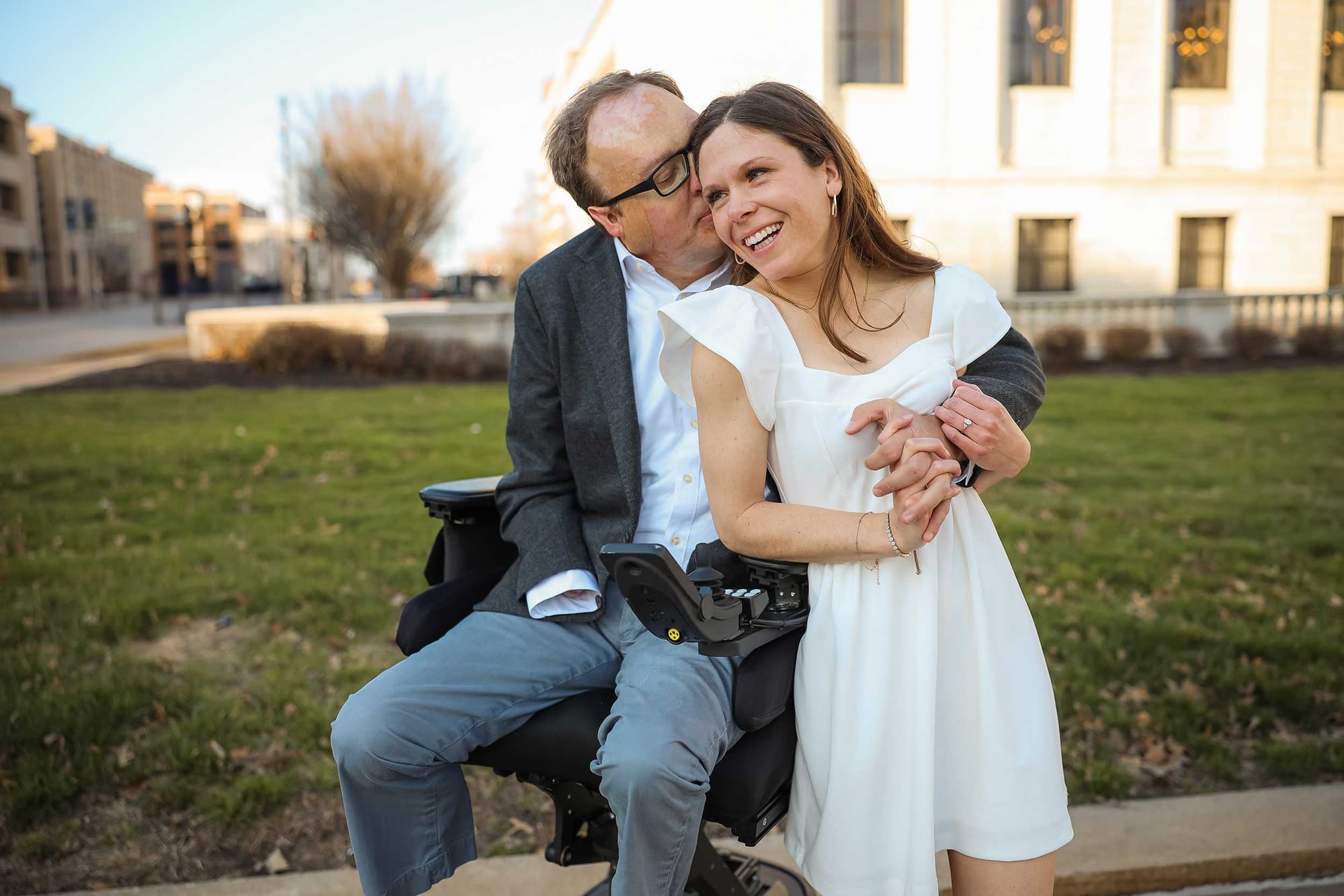
The moment was interrupted when a restaurant staff member approached them, expressing visible astonishment that John was capable of managing his own meal and getting his own juice from the serving station. The interaction took an overtly personal and startling turn when the staff member exclaimed that John did not even have a "whole body."
The specificity and bluntness of the remark left Stevie momentarily speechless. After stifling a grin and offering a brief nod, she stepped outside the restaurant, quickly giving in to a fit of laughter—the first of many such moments John would witness.
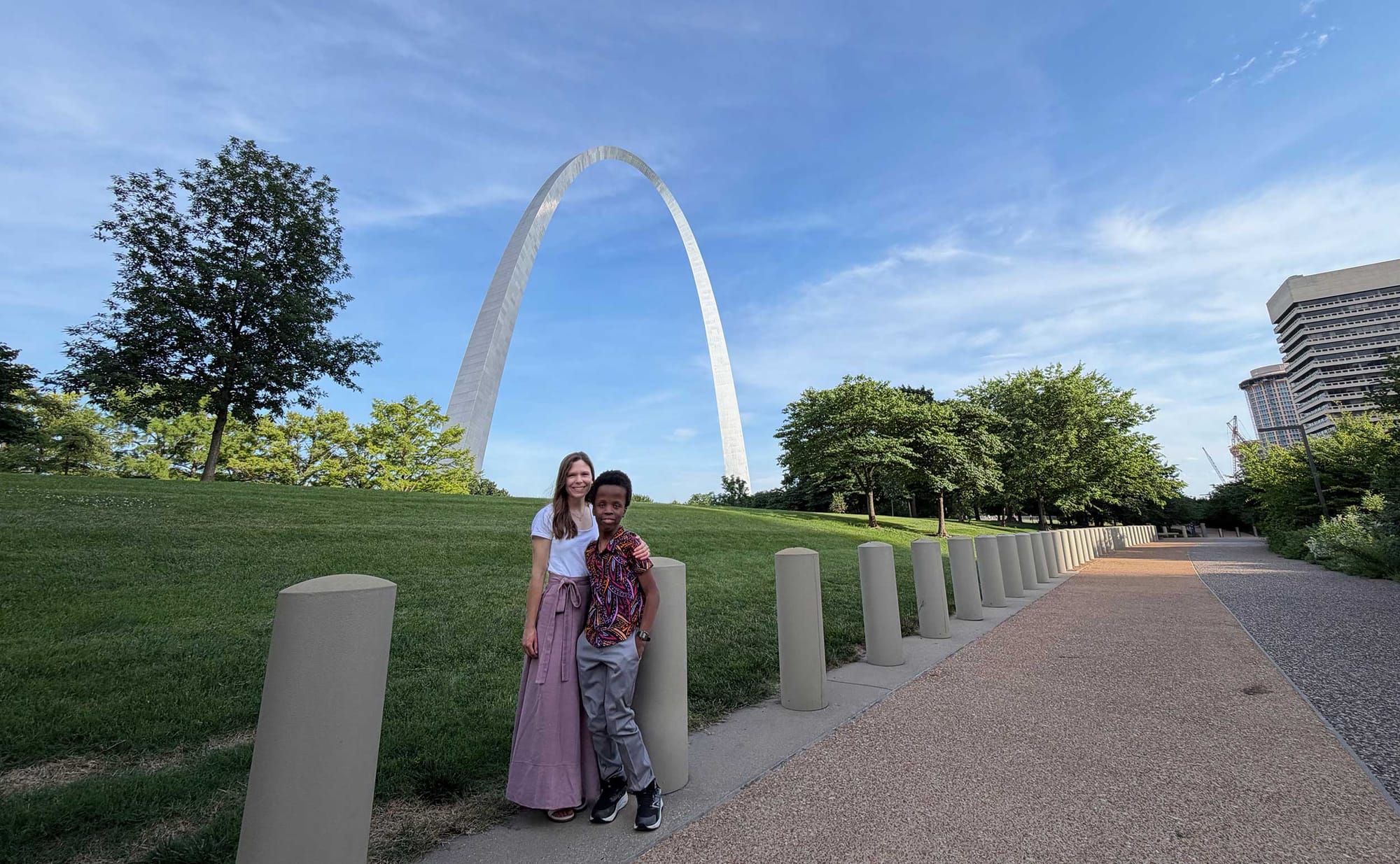
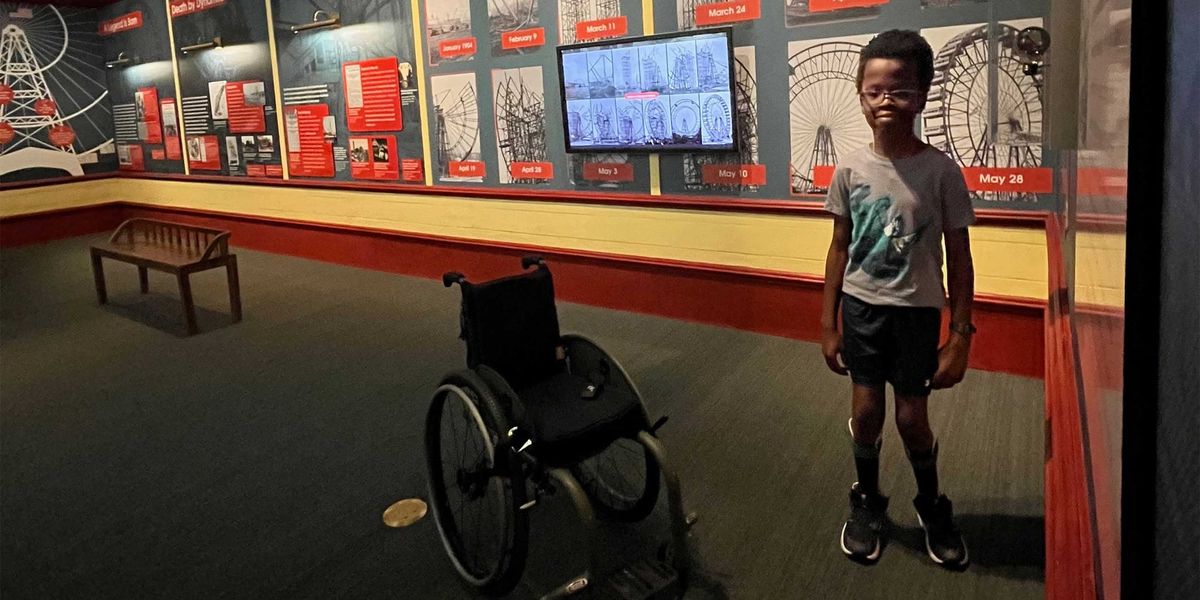
Finding humor in the sheer absurdity of public ignorance has become a defining dynamic for the couple. While their teenage son Robert occasionally responds with typical adolescent eye-rolls, both parents recognize that sharing these everyday realities ultimately benefits him, helping to normalize discussions around disability and societal misconceptions.
For Stevie, these experiences prompt ongoing reflection on how she would react if Robert were present, or how she expects him to respond to similar situations. Teaching a teenager to navigate ableism requires dismantling deeply ingrained social norms that often conflict with survival and dignity in public spaces. Society typically instills certain expectations: that it is rude to ignore people, that authority figures must be obeyed without question, that personal medical inquiries deserve answers, and that any assistance—regardless of how intrusive or unwanted it may be—requires immediate gratitude.
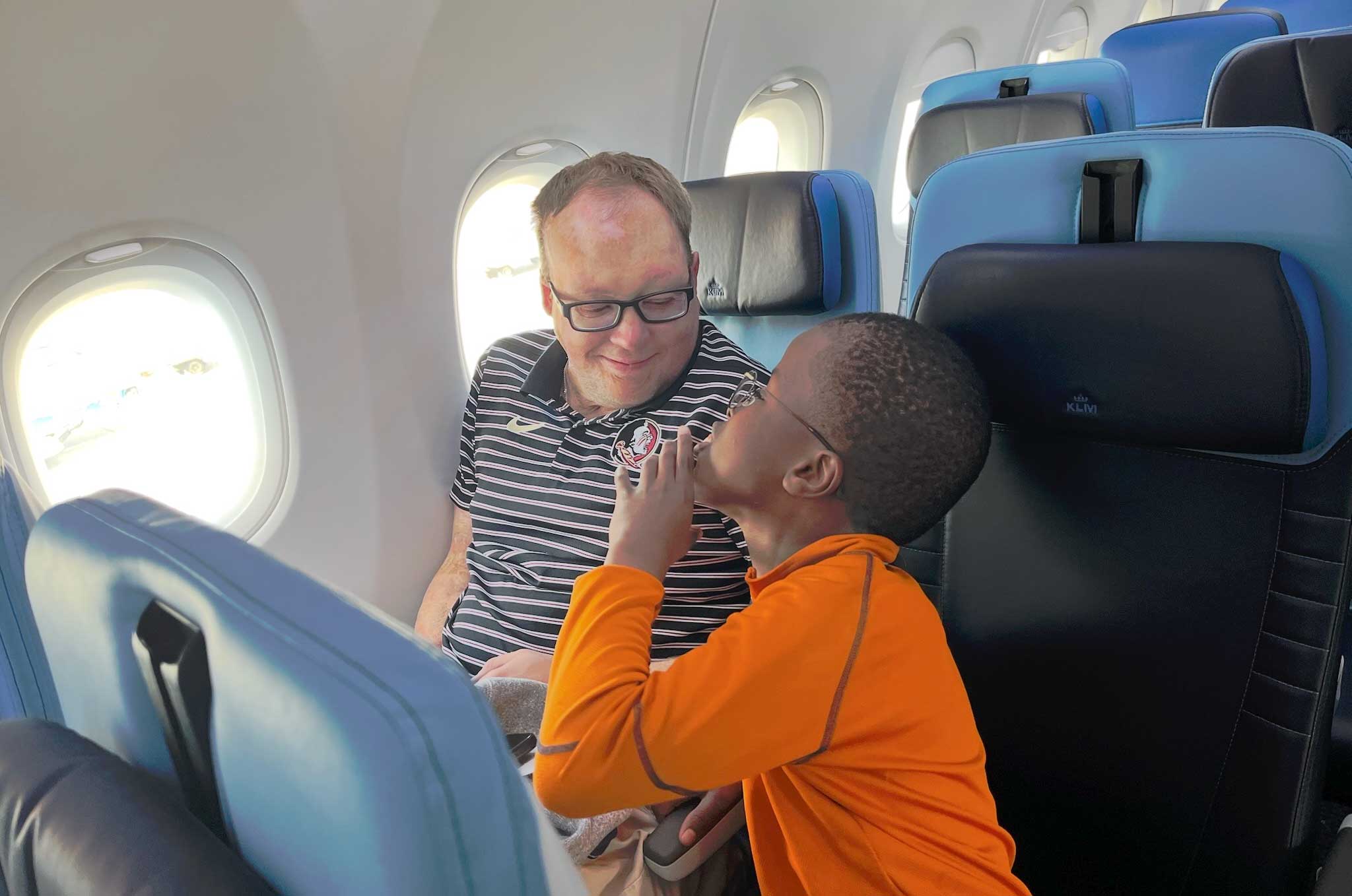
Challenging these unwritten rules is a recurring theme in the family’s daily life. For instance, while politeness usually dictates acknowledging anyone who speaks, Stevie has taught Robert that he has full permission to walk away when faced with intrusive or infantilizing remarks. Similarly, automatic submission to authority is frequently tested when dealing with institutional systems.
A prime example involves air travel, where assistance staff or gate agents sometimes demand that disabled passengers exit an aircraft before their personal wheelchairs have been returned to the jetbridge. John and Robert consistently decline to comply with such demands, prioritizing safety and accessibility over misplaced authority. John has documented these challenges in previous commentary addressing how disabled passengers can respond when airlines threaten them with police involvement or removal.

Public curiosity regarding mobility aids and personal accommodations presents another frequent hurdle. Rather than feeling obligated to satisfy invasive questions, the family relies on practiced boundaries, such as stating clearly that personal medical information is private. This philosophy extends to physical boundaries as well. While society conditions individuals—particularly those with disabilities—to express gratitude for equal access and unsolicited help, Stevie and Robert actively reject this premise. Stevie has written extensively on the expectations placed on disabled individuals to show excessive gratitude for basic accessibility, reinforcing the idea that Robert is under no obligation to say "thank you" when someone attempts to take control of his wheelchair without permission.
Humor also serves as a strategic tool within the household, particularly when deflecting inappropriate inquiries. When strangers ask the cliché question about what happened, John and Robert have been known to invent completely fictional, highly improbable origin stories—such as attributing John’s leg amputations to a shark attack—to effectively shut down intrusive curiosity with absurdity.
Some observers might argue that adopting a single, uniform response strategy or stripping Robert of his agency might simplify his interactions or shield him from negative public perception. However, the family weighs these potential short-term comforts against the long-term cost to his dignity and self-worth. Choosing a path that prioritizes self-advocacy over blind conformity means accepting that a young person might occasionally ruffe feathers, but it ensures they remain true to themselves.
Tackling a systemic social justice issue on a personal, daily basis is undeniably exhausting. To maintain focus without burning out, Stevie has adopted specific mental shifts and practical frameworks.

One primary mental shift involves changing perspective. Stevie compares the work of addressing ableism to doing laundry—it is an ongoing, cyclical task that is never truly finished. Rather than viewing success through a checklist mentality where ableism can be permanently resolved, she recognizes that advocacy happens in waves. There are days when they actively confront and discuss issues, and other days when they rest because bandwidth is low. Accepting this cyclical nature helps prevent burnout.
Another key component of their approach is continuous discussion. Rather than searching for a single magic formula, Stevie regularly engages Robert in conversations about their experiences. Questions like "What can we learn from this?" or "How did that make you feel?" allow his evolving perspectives to guide their ongoing problem-solving process.
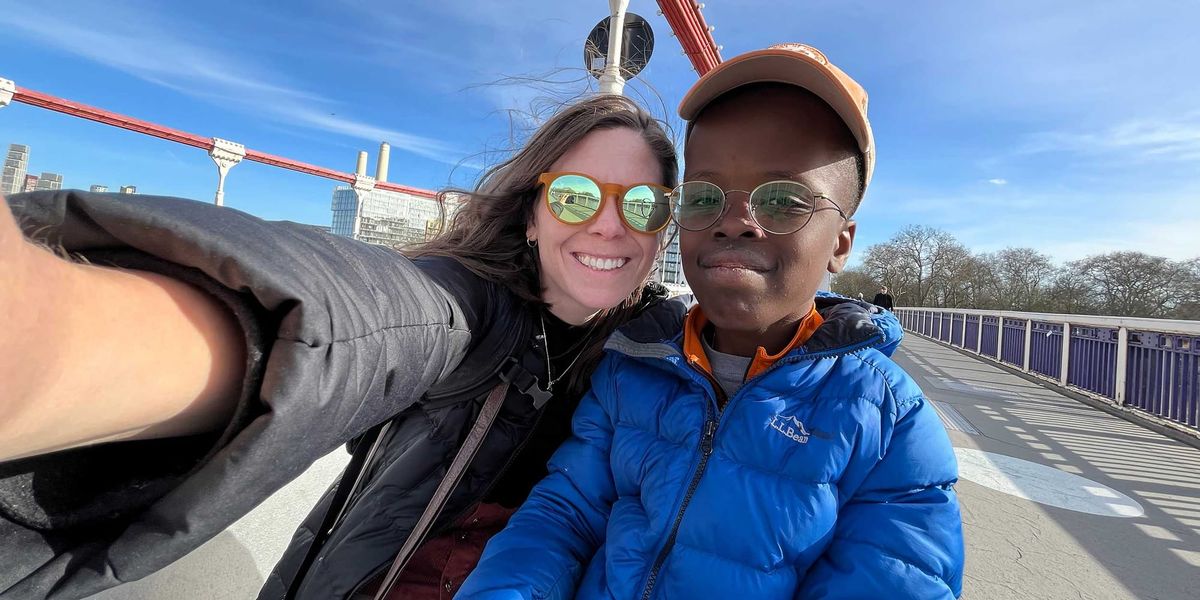
Preparation through rehearsal also plays a vital role. When recurring challenges are identified, the family practices potential responses at home using role-play, stuffed animals, or even collaborative comic books. For instance, anticipating the stress of boarding an airplane—where staff members frequently attempt to move Robert’s wheelchair without asking—allowed them to practice clear, respectful communication in a low-stress environment before encountering the situation during actual travel.
Despite years of experience and a wide repertoire of response strategies, the family still encounters moments where they stumble or second-guess their choices. The pressure to constantly evaluate public interactions is heavy, particularly given that societal reactions often shift depending on intersecting factors such as age, race, gender, and the specific nature of a disability. By combining advanced planning, open communication, and a willingness to experiment with different approaches, Stevie and John continue to foster confidence in Robert as he learns to navigate the world on his own terms.