

It began with a lingering stare, lips caught delicately between a downturned pout and a sympathetic smile. Across the breakfast table on their second date, Stevie Morris assumed she was about to receive one of those all-too-familiar, unsolicited inspirational affirmations—something along the lines of "you’re an angel." Having already been adjacent to the disability experience through her son, Robert, Morris thought she knew precisely what to expect. Instead, what was said next caught her completely off-guard.
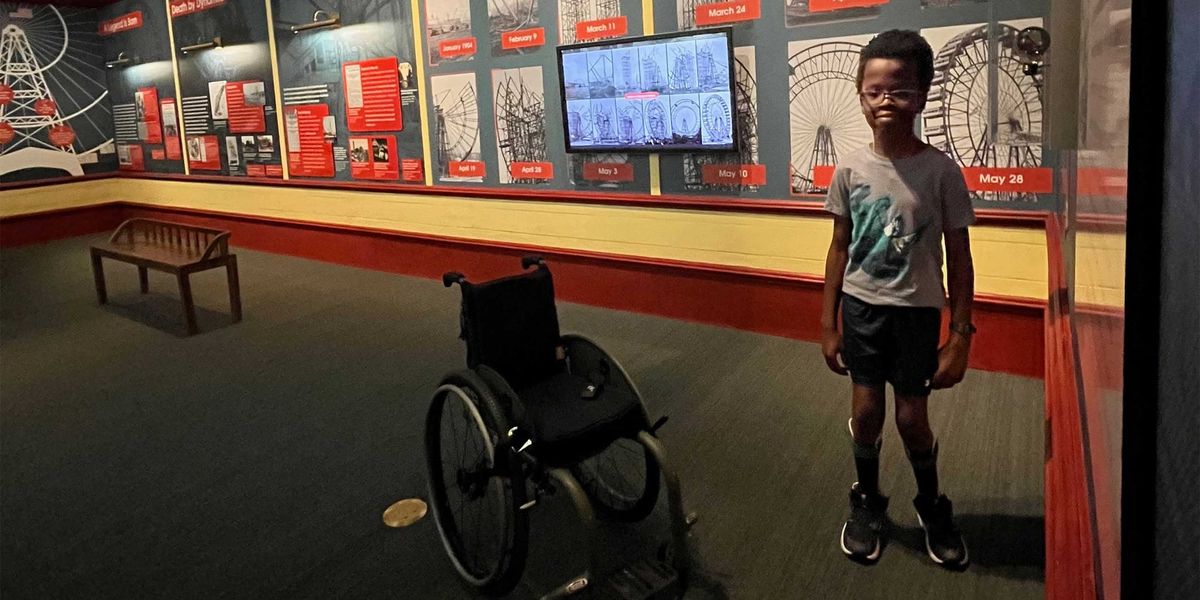
The scene unfolded during breakfast in Knoxville, where Morris and her partner, John, were enjoying a quiet morning before heading to the Knoxville Museum of Art. Their first in-person date had taken place only the night before, but they were already well past the introductory stages of courtship. Bound by a deep, pre-existing friendship and the foundation of an ongoing long-distance relationship, the couple was relishing the simple excitement of uninterrupted quality time.
That peace was abruptly broken when a restaurant staff member interrupted them to express profound amazement that John—who uses a wheelchair—was capable of responsible, independent actions such as managing his own meal and fetching his own juice from the serving station. "He doesn’t even have a whole body!" the staff member exclaimed.
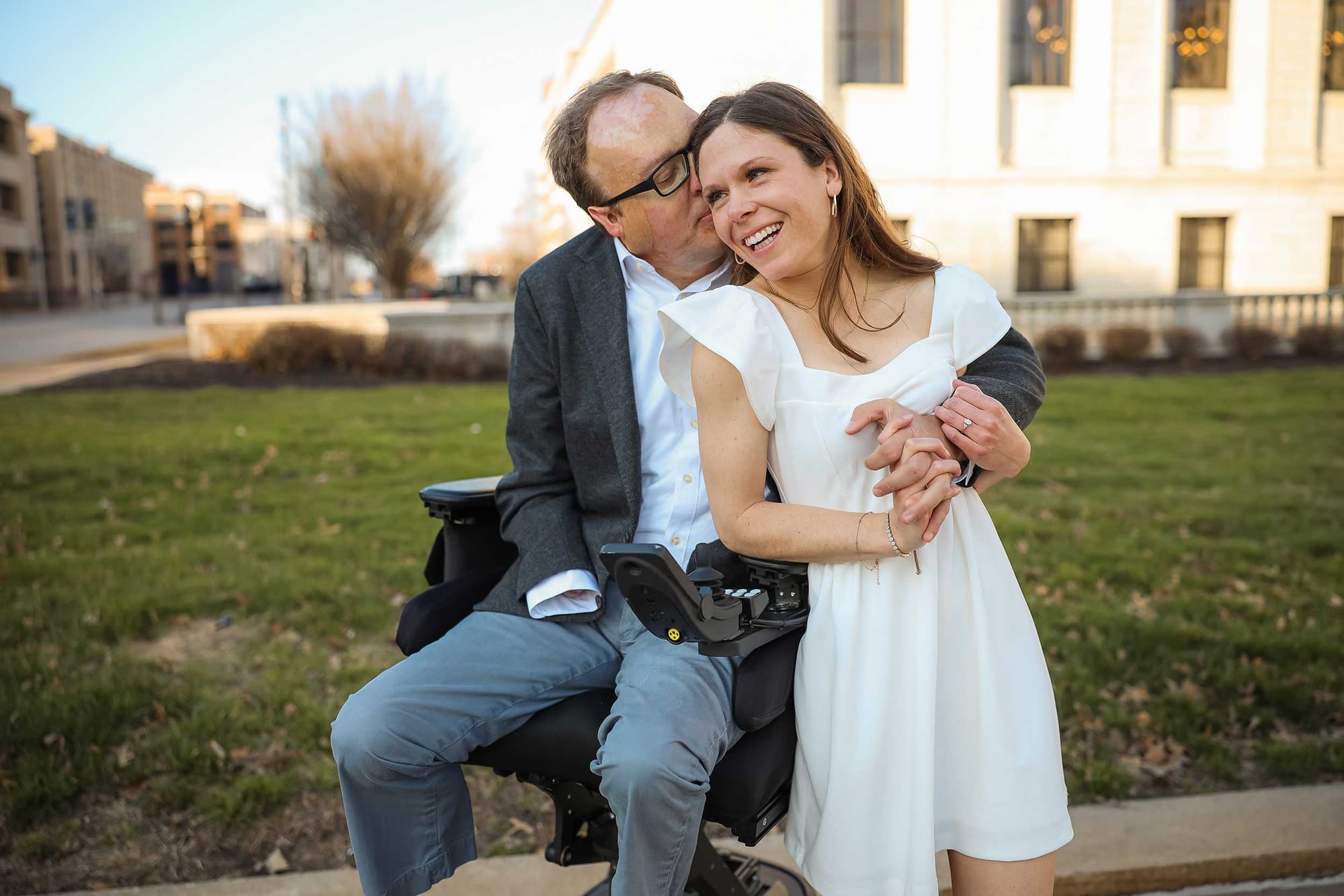
The remark was so pointed, so jarringly specific, that Morris momentarily lost her words. Stifling a spreading grin, she offered a curt head nod and briskly left the restaurant, barely making it outside the front doors before bursting into the first of many giggle-fits that John would come to witness throughout their relationship.
Finding humor in the sheer absurdity of public ignorance has become a cornerstone of how John and Stevie navigate the world together. It is a dynamic that occasionally elicits a classic adolescent eye-roll from Robert, though his parents attribute this reaction to normal teen angst while recognizing that he ultimately benefits from the shared humor they model in everyday moments.
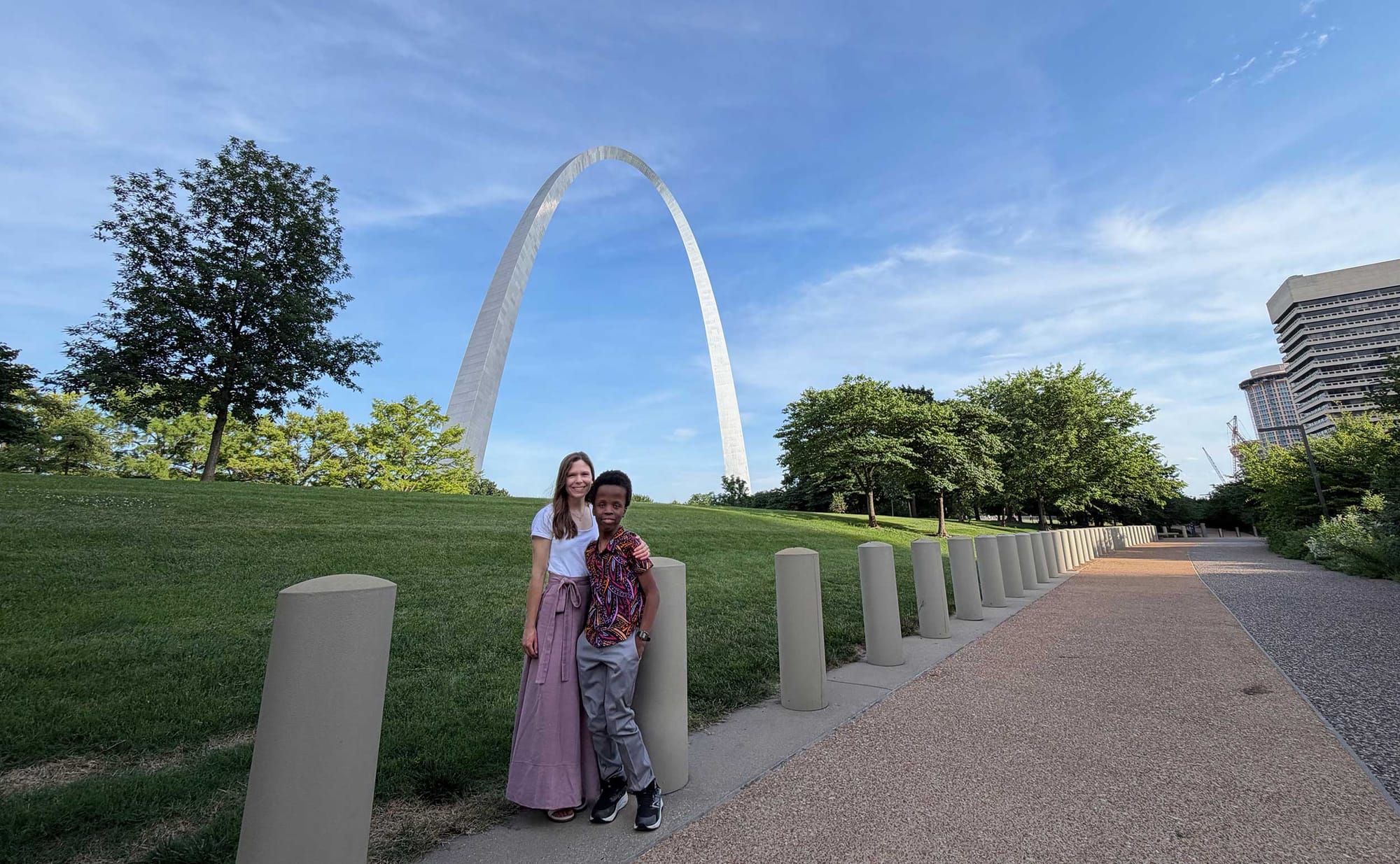
Reflecting on the interaction later, Morris often considers whether she would have reacted differently if she had been with Robert, or if she would have expected Robert to respond in another way entirely. Teaching a young person how to respond to ableism is a continuous, mentally demanding task. The process is nuanced, complex, and frequently runs counter to many of the unspoken social rules individuals unconsciously adopt as they learn to function in society. Uncovering these hidden biases and teaching Robert how to stand his ground against ableism has become one of the most recurring themes in their parenthood.
Society dictates that it is rude to ignore people, yet Morris has explicitly taught Robert that he is entirely justified in walking away when faced with intrusive or infantilizing remarks. Similarly, children are routinely conditioned to automatically submit to adult authority. However, John actively models and helps Robert practice prioritizing his own needs while critically questioning which claims to authority are actually valid.
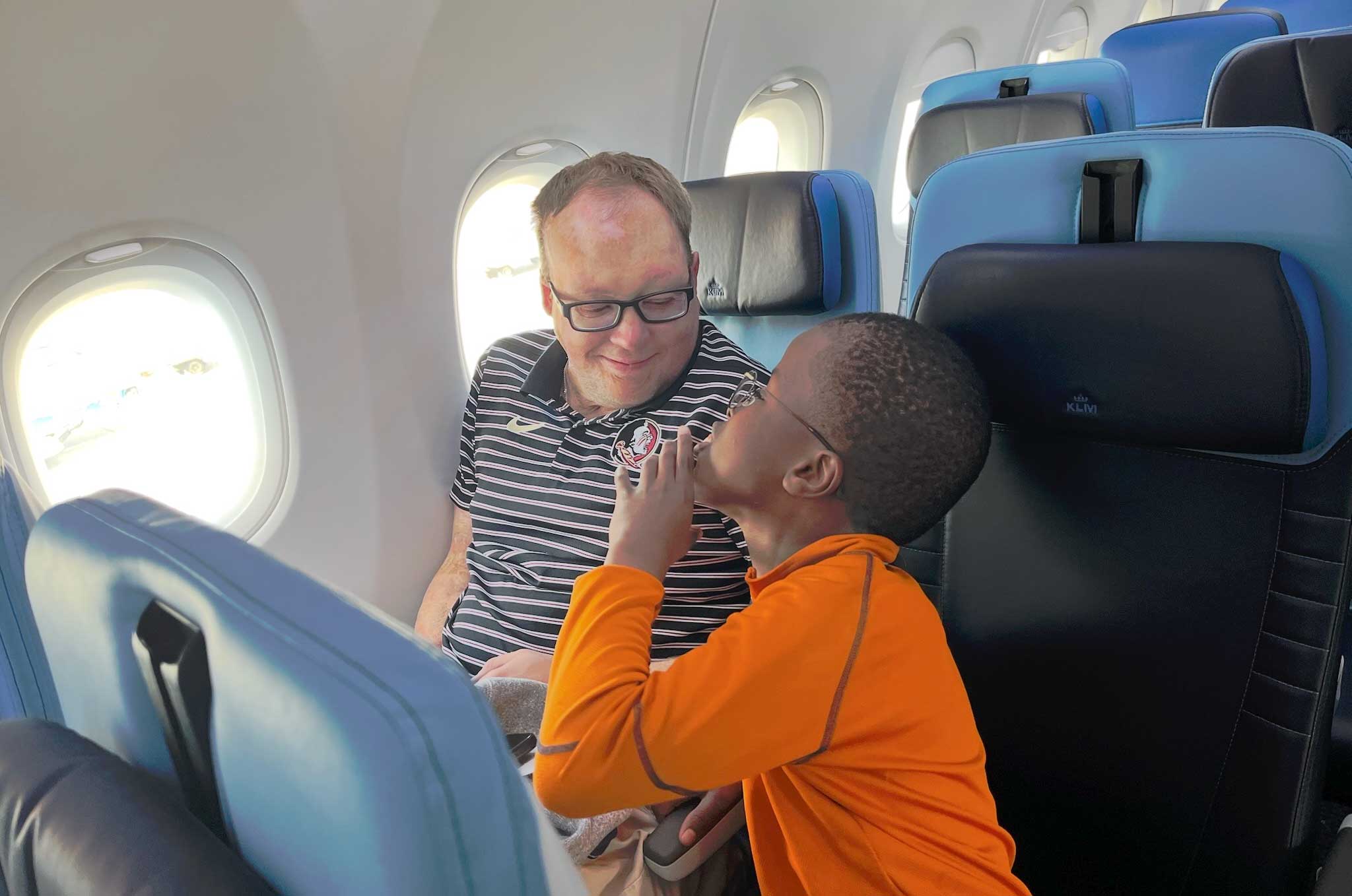
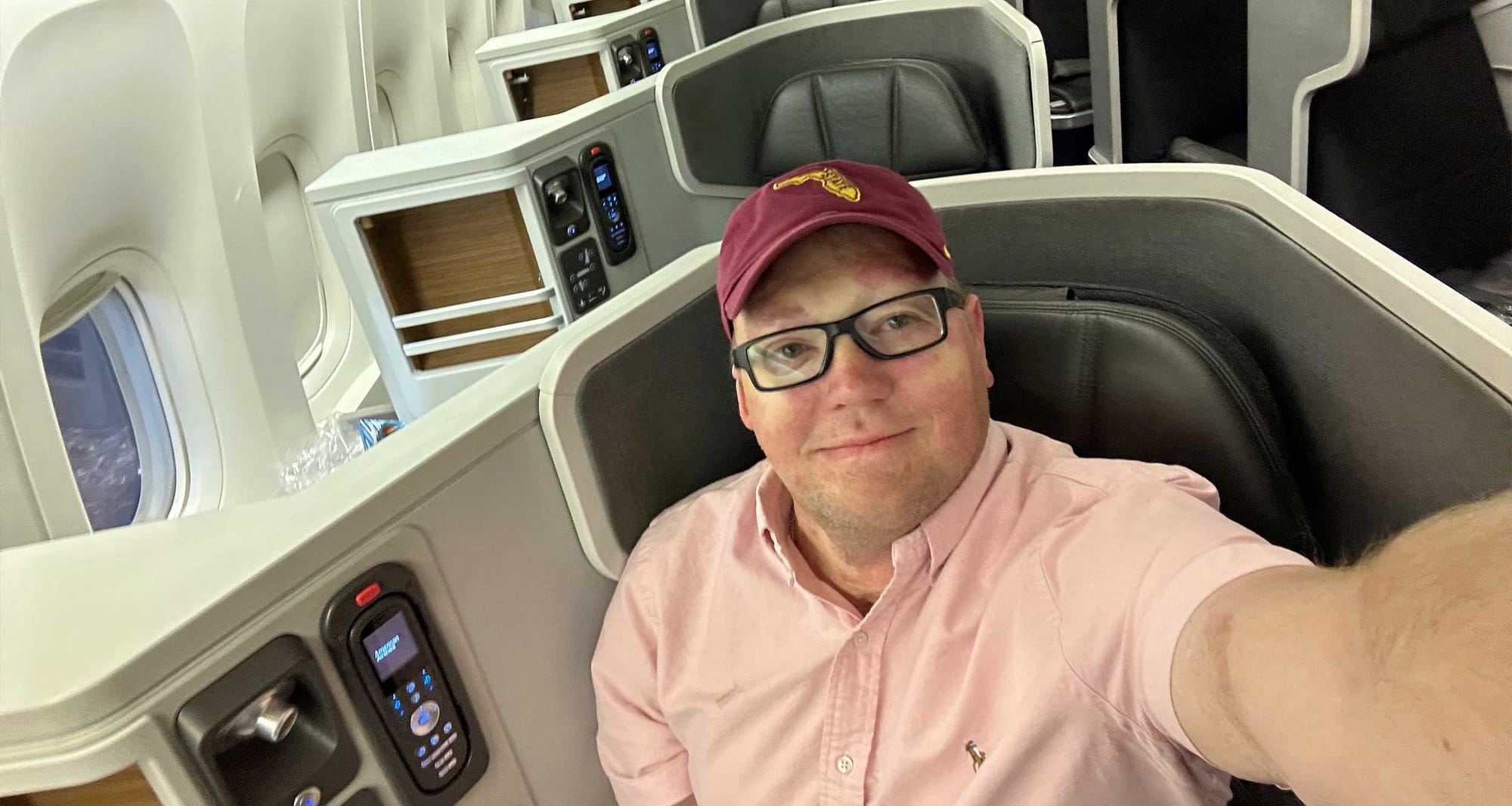
A prime example of this dynamic occurs during air travel. Airline wheelchair assistants frequently demand that John and Robert exit aircraft immediately, before their personal wheelchairs have been successfully returned to the jetbridge. Standing firm in their rights, both John and Robert routinely decline these premature and inaccessible demands, challenging the overreach of gate agents and support staff who prioritize airline schedules over disabled passengers’ dignity and bodily autonomy.
Public interactions are also fraught with demands for personal information. Strangers routinely expect disabled individuals to offer detailed explanations regarding mobility aids and personal accommodations. To counter this invasive curiosity, the family maintains a set of rehearsed, boundary-setting responses, such as flatly stating, "we don’t share personal medical information," ready for immediate deployment.

Cultural conditioning heavily emphasizes expressing gratitude for basic accessibility. While "thank you" is the universally expected response when someone offers assistance, Morris has explicitly told Robert that he is permitted to pull away without so much as a glance if an unfamiliar person attempts to physically grab or maneuver his wheelchair without permission. This tension between forced gratitude and equal access is a recurring theme in the family’s public advocacy and writing on disability rights.
Honesty remains a fundamental value within their household, with one humorous exception: inventing elaborate, completely fictional origin stories to shut down intrusive "What happened to you?" inquiries. To deter nosy strangers, John has occasionally resorted to deadpan explanations involving shark attacks, effectively halting intrusive questioning with absurd humor.
Some critics might argue that it would be easier to adopt a single, uniform response strategy for Robert, or to deny him agency in how he responds to avoid potential social friction or negative public perception. But Morris asks a fundamental counter-question: at what cost? Making choices in the present requires looking toward the future. Parents can choose to shape a teenager who follows every unwritten rule to fit a comfortable mold, ultimately sacrificing a piece of his dignity in the process, or they can raise a young person who ruffles feathers because he insists on remaining true to himself and practicing self-advocacy. For Morris, the choice regarding the greater good is glaringly obvious.
Even so, tackling such a pervasive social justice issue through day-to-day parenting can feel overwhelming. To maintain focus, Morris relies on specific mental shifts, comparing the ongoing fight against ableism to doing laundry. Housework is never truly finished; there is a continuous cycle of piling up dirty clothes, washing, drying, folding, and putting garments away. Sometimes chores are neglected for an embarrassing amount of time, while other days involve powering through multiple loads to catch up, only to realize that the clothes currently being worn will soon need washing as well.

Recognizing the cyclical nature of dismantling ableism, rather than viewing it as a checklist of tasks to be permanently completed, has provided Morris with a more balanced viewpoint. Success is not measured by the absolute eradication of ignorance. Instead, the family addresses ableism incrementally—learning and practicing one response before pivoting to another, and occasionally taking necessary breaks when exhaustion sets in.
A central strategy in this ongoing education is open discussion. Morris constantly engages Robert with reflective questions, asking what can be learned from a specific encounter, analyzing what worked and what failed, and checking in on how certain remarks made him feel. Because Robert’s perspectives and emotional responses evolve with time and maturity, the primary goal is not discovering a magic fix, but rather problem-solving collaboratively as a family.

Preparation also involves active rehearsal. When recurring problems are identified, the family physically acts out scenarios using stuffed animals, role-playing various approaches, or even creating comic books together to illustrate desired strategies. For instance, boarding airplanes historically served as a significant source of stress due to assistance staff assuming physical limitations and moving wheelchairs or making boarding decisions without consulting Robert. By discussing preferred approaches and practicing role-play at home—with Morris pretending to be an overzealous staff member grabbing the chair without permission while Robert responds clearly and respectfully—the family builds the muscle memory needed to handle high-stress environments with confidence.
As they continue navigating the world as a family, Morris and John acknowledge that possessing a wide array of skills does not prevent them from occasionally stumbling or second-guessing their chosen approaches. The constant pressure of examining everyday interactions requires immense emotional labor. Furthermore, they recognize that what constitutes an acceptable response to ableism shifts depending on intersecting factors such as age, race, gender, and the specific nature of a person’s disability, all of which trigger preexisting societal assumptions. By combining careful planning with a willingness to experiment with different responses, the family continues to foster Robert’s confidence, offering a practical framework for others encountering similar hurdles.



