The fall calendar of wheelchair-accessible group tours in Europe has officially drawn to a close, marking another successful season for Wheelchair Travel. Over the past few months, it has been a genuine joy to accompany more than 30 readers across some of the continent’s most captivating destinations. From taking in the breathtaking, snow-dusted majesty of the Swiss Alps to learning the delicate art of crafting authentic Italian pasta in the heart of Sicily, these were journeys designed to be remembered. Yet, running parallel to these triumphs on the road were personal challenges, transit hurdles, and a stark reminder that the travel industry still has a long way to go when it comes to true, reliable accessibility.
Facing the Unexpected and a Family Emergency
Managing multiple group tours back-to-back, coupled with a series of professional side trips, usually means spending well over a month away from home. However, that schedule was abruptly upended when a phone call brought urgent news: a family health emergency required returning home immediately, as a son faced an unexpected surgery.
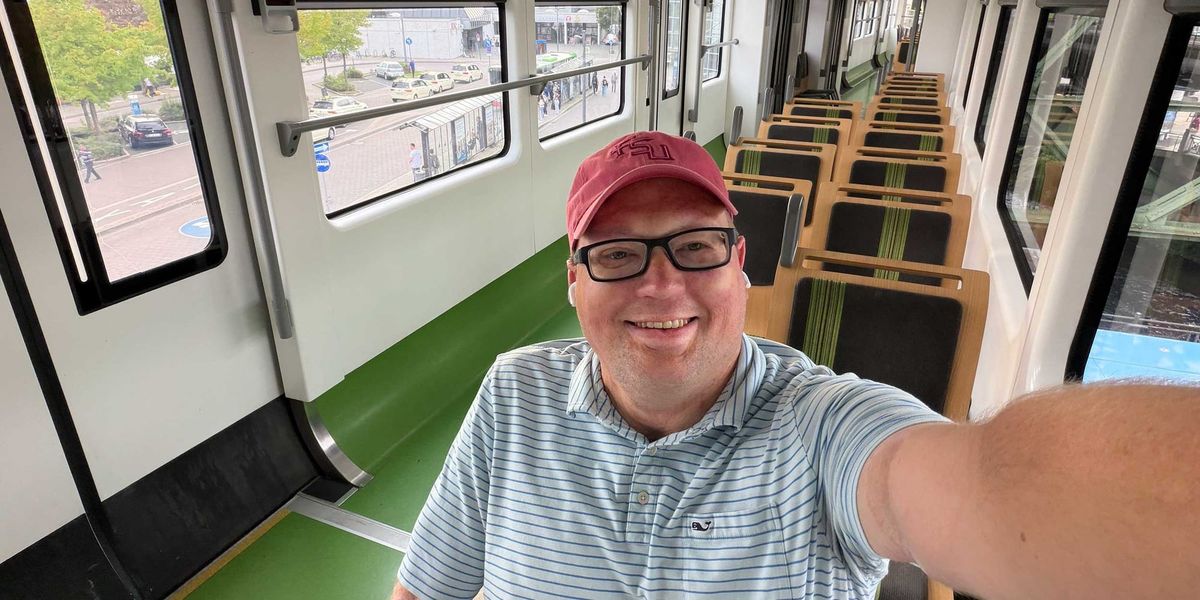
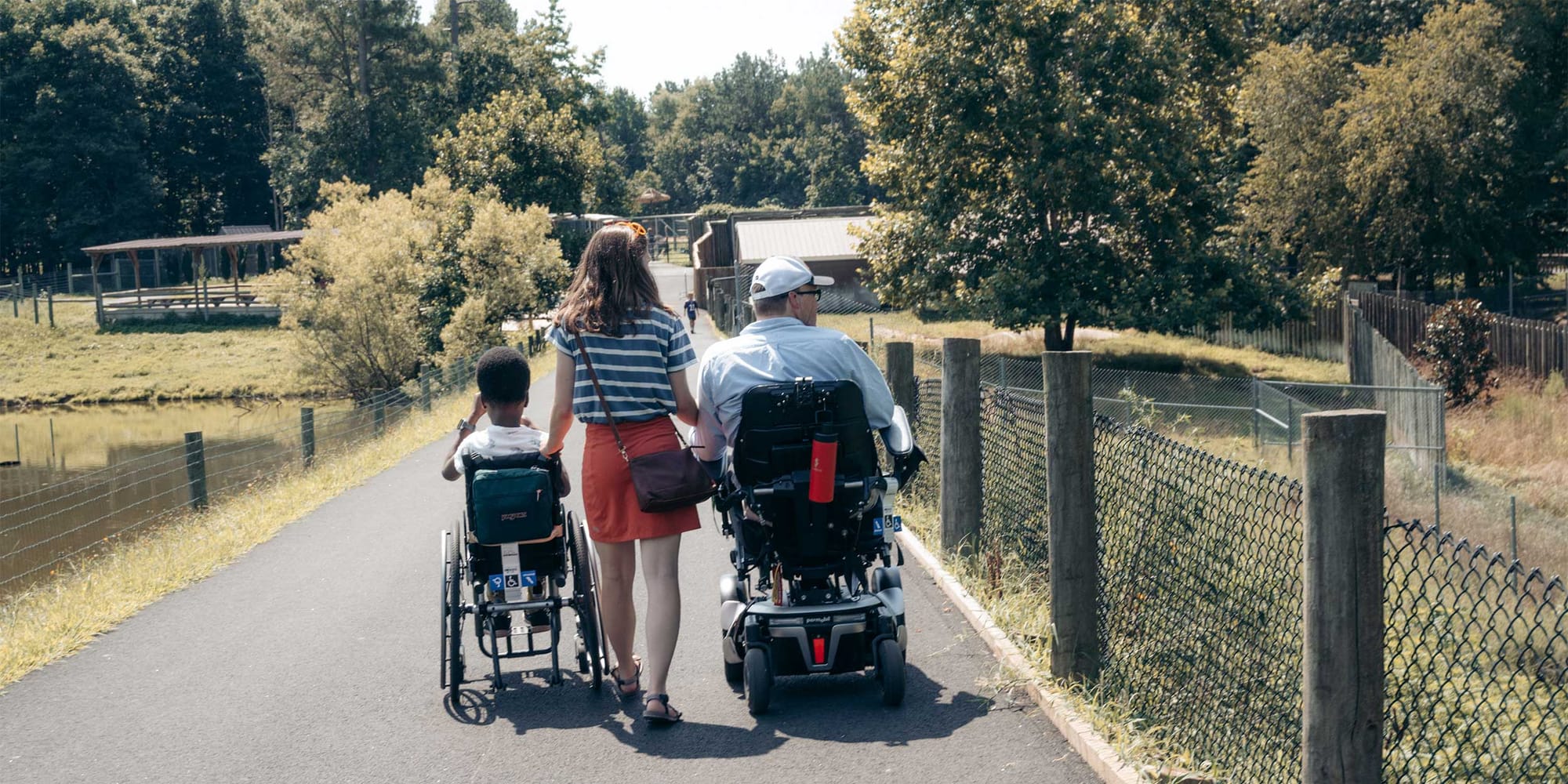
In keeping with a strong family commitment to personal privacy—particularly regarding matters of health—the full story remains Robert’s to share or keep private. No further details are necessary other than to report that the surgery was an absolute success. Robert emerged from the procedure alive, remarkably strong, and deeply deserving of admiration, leaving family members immensely proud of his resilience.
Naturally, the moment that call came through, travel plans were instantly paused to rush home. After spending roughly a week by his side during recovery, the journey back to Europe resumed to pick up the broken threads of the itinerary. The first stop back across the Atlantic was London, England, where another entirely different kind of emergency—though thankfully of a much lower stakes variety—was waiting around the corner. While this disruption inevitably caused a backlog in professional workloads, commitments remain to share the broader trove of stories from multiple European excursions in future updates. For now, the immediate focus centers on a turbulent experience in London and an exploration of an underrated German city.
Temporarily Trapped in London
The journey back to the continent began with a flight from the United States into London, where a same-day connection on the Eurostar train to Cologne, Germany, awaited. Having never visited Cologne before, anticipation was high to explore its historic streets. Unfortunately, those plans hit an immediate brick wall.
Approaching the Eurostar check-in desk at London’s King’s Cross-St. Pancras Train Station, a routine pat of the pockets revealed an alarming reality: the passport was missing. What followed was a frantic, heart-pounding search through luggage compartments, the deep crevices of a power wheelchair, public restrooms, and even the café where a morning coffee had been purchased. With time running out, the only option was to retrace steps all the way back to Heathrow Airport.
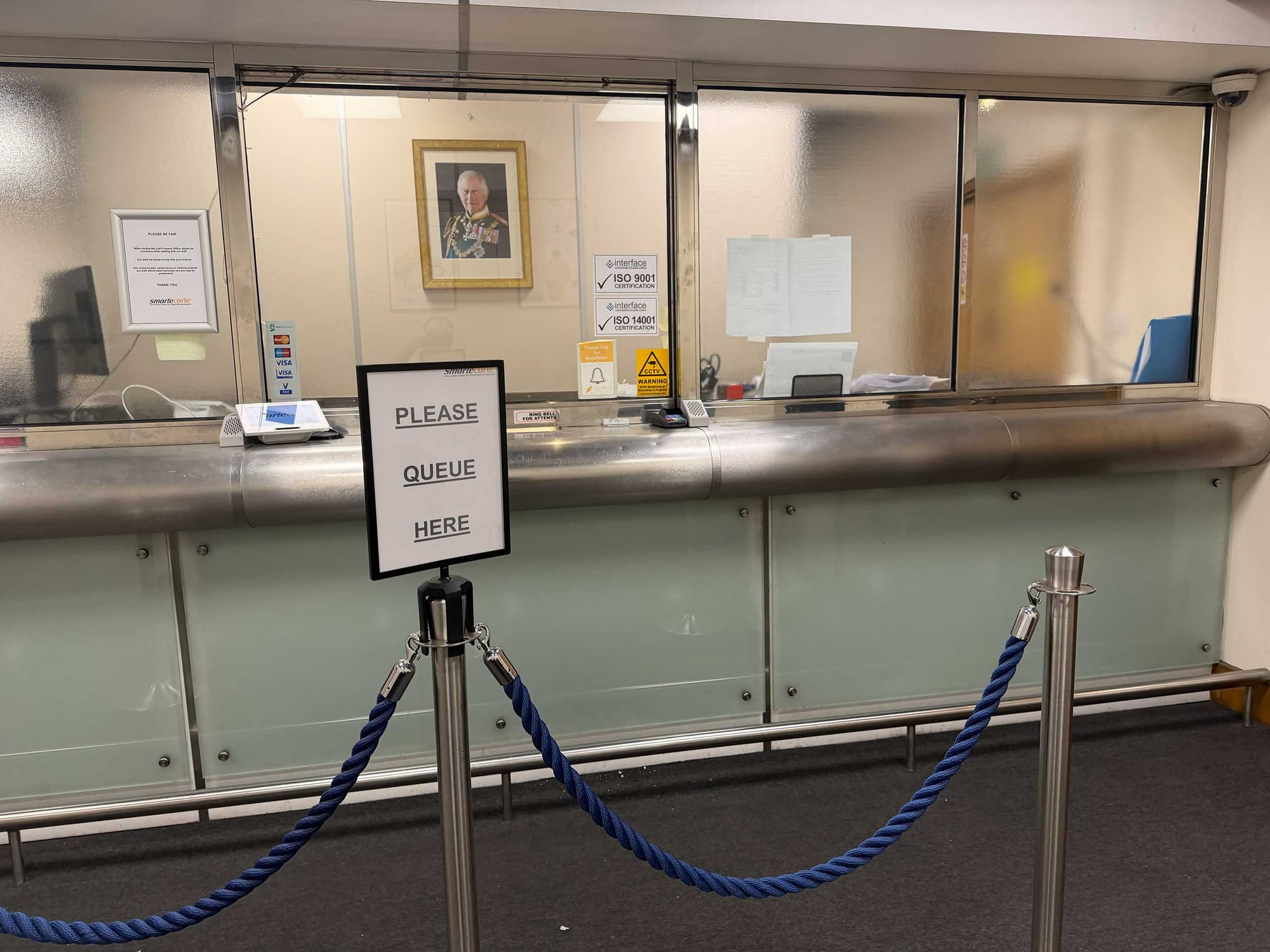
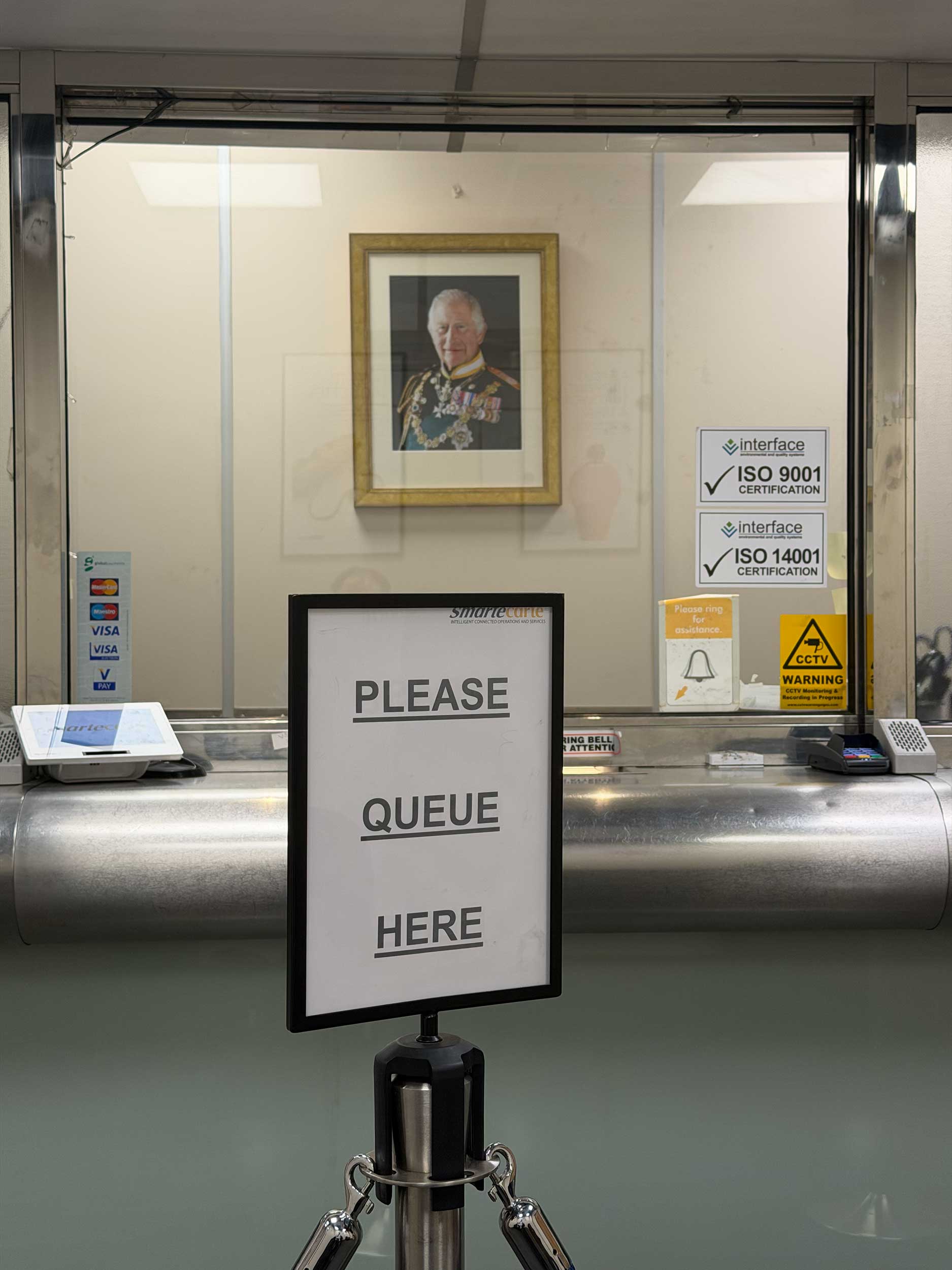
Lost item reports were filed promptly with both the airport authorities and Transport for London. Standing in a long, silent queue at Heathrow’s lost and found office—staring blankly at a framed portrait of King Charles—the inevitable verdict was delivered: no one had turned it in. Standing there, it was hard not to feel as though His Majesty’s portrait was silently judging the situation.
Compounding the panic, it was a Saturday—the worst possible day to lose critical travel identification. The United States Embassy would remain closed until Monday, and even then, standard protocols would only yield an emergency passport that would not clear French border controls, which are processed right inside the London Eurostar terminal before departure.
Fortunately, Eurostar maintains a remarkably customer-friendly ticket policy, permitting free changes up to one hour prior to departure with no exchange fees, requiring passengers to cover only potential fare differences. Thanks to this policy, the departure time could be pushed back repeatedly without financial penalty.
Realizing that an unplanned night—or multiple nights—in London was all but guaranteed, a last-ditch effort led to the American Airlines check-in desk. Knowing the passport had definitely been used to clear UK immigration upon arrival, it couldn’t have been left on the aircraft, but desperate times called for exploring any remaining avenue. Twenty minutes later, a manager emerged from the back offices holding a familiar booklet, asking if the name on the front belonged to Mr. Morris.
As it turned out, the passport had slipped out onto the floor near the baggage carousel. Someone had found it, noticed the boarding passes tucked inside, and handed it directly to an American Airlines agent who hadn’t yet logged it into the central lost-and-found system. While undeniably an embarrassing ordeal, it serves as a humbling reminder that even seasoned travelers can fall victim to basic oversights. Securing essential documents in a locked, permanent place is a lesson worth emphasizing—becoming temporarily stateless, homeless, and unidentifiable is an experience best avoided.
Door Ajar on the Eurostar and a Bad Merger
With the passport safely recovered and a restful night of sleep behind him, the journey resumed the following day via Eurostar to Cologne’s Central Station, routed through Brussels, Belgium.
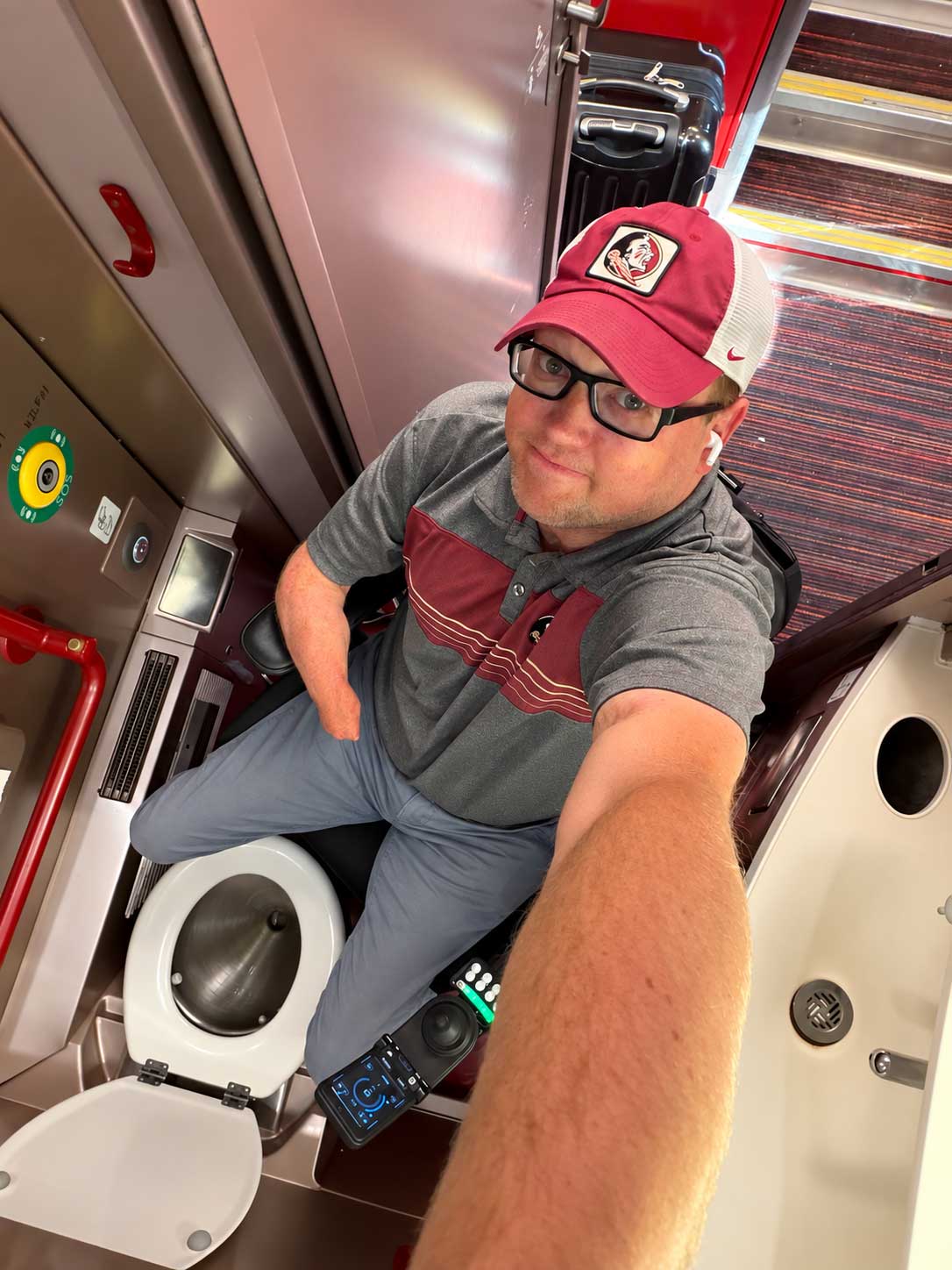
The initial leg of the rail journey was smooth and modern. The Eurostar train running from London to Brussels featured high-end accessibility, including a spacious onboard bathroom capable of comfortably accommodating a large power wheelchair. Sadly, that standard of design did not carry over to the connecting train from Brussels to Cologne.
In 2023, two of Europe’s premier high-speed rail operators, Eurostar and Thalys, officially completed their corporate merger. While European high-speed rail networks generally boast admirable accessibility standards, the TGV train sets inherited from former Thalys routes—such as the Brussels-to-Cologne corridor—fall woefully short. The interior corridors are exceptionally cramped, the designated accessible cars feature only a single wheelchair space, and the bathrooms are physically too small for a wheelchair to enter, forcing passengers to navigate awkward, door-ajar situations. For travelers accustomed to the seamless infrastructure found on core Eurostar routes to cities like Amsterdam, Brussels, or Paris, encountering these inaccessible carriages comes as an unpleasant shock, reflecting poorly on a unified brand striving for consistency.
Trainspotting and Railbuffing in Wuppertal, Germany
Because of the unexpected delays in London, the original itinerary in Cologne had to be bypassed entirely. Upon arriving in Germany, a swift transfer to a Deutsche Bahn regional train led to a 45-minute journey toward a destination that had lingered on a personal travel bucket list for years: Wuppertal.
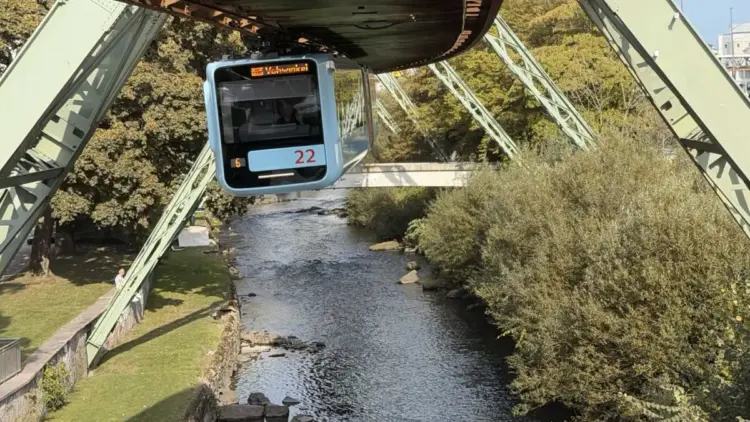
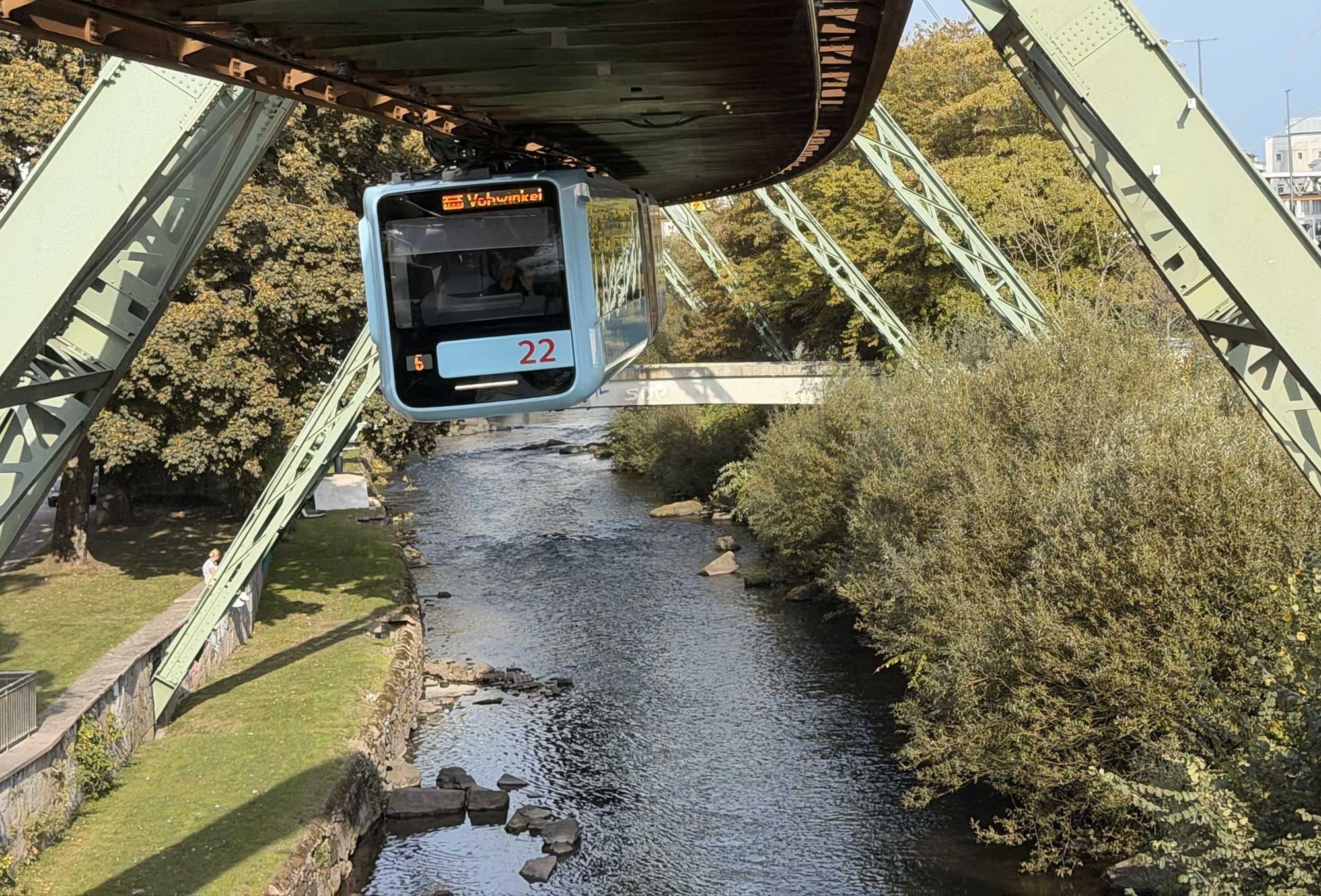
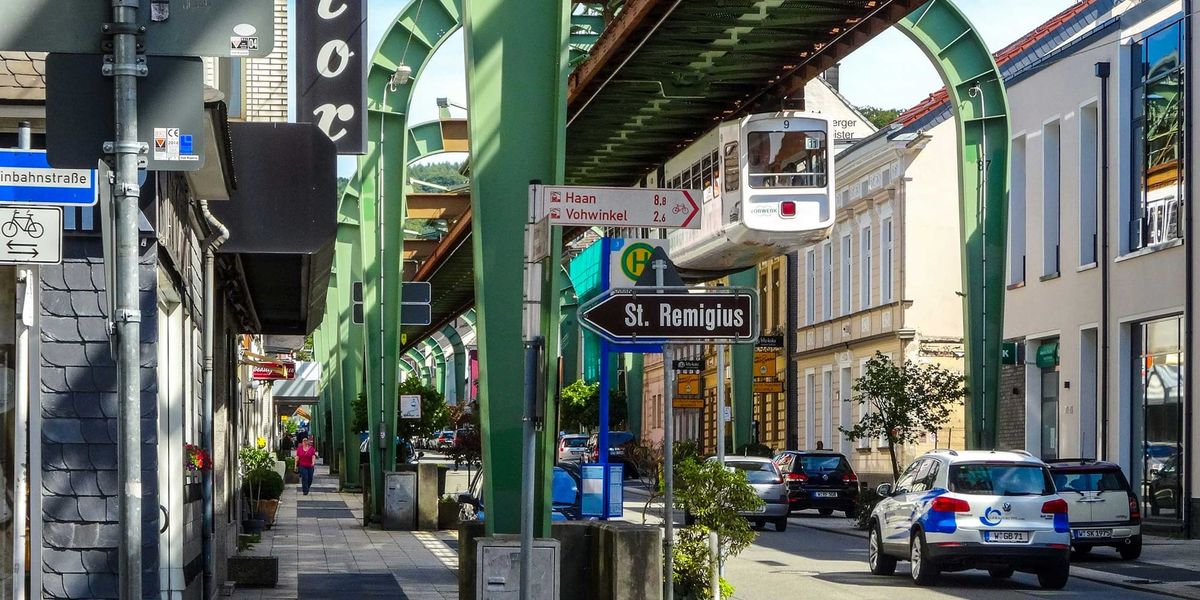
While Wuppertal is steadily drawing a growing number of curious tourists, it remains largely under the radar for international travelers. Its crown jewel is the Schwebebahn, an iconic suspended monorail system that celebrated its 125th year of continuous operation earlier this year. Historically, the municipality served as an industrial titan and holds the distinction of being the birthplace of Friedrich Engels, the philosopher who famously co-authored The Communist Manifesto alongside Karl Marx.

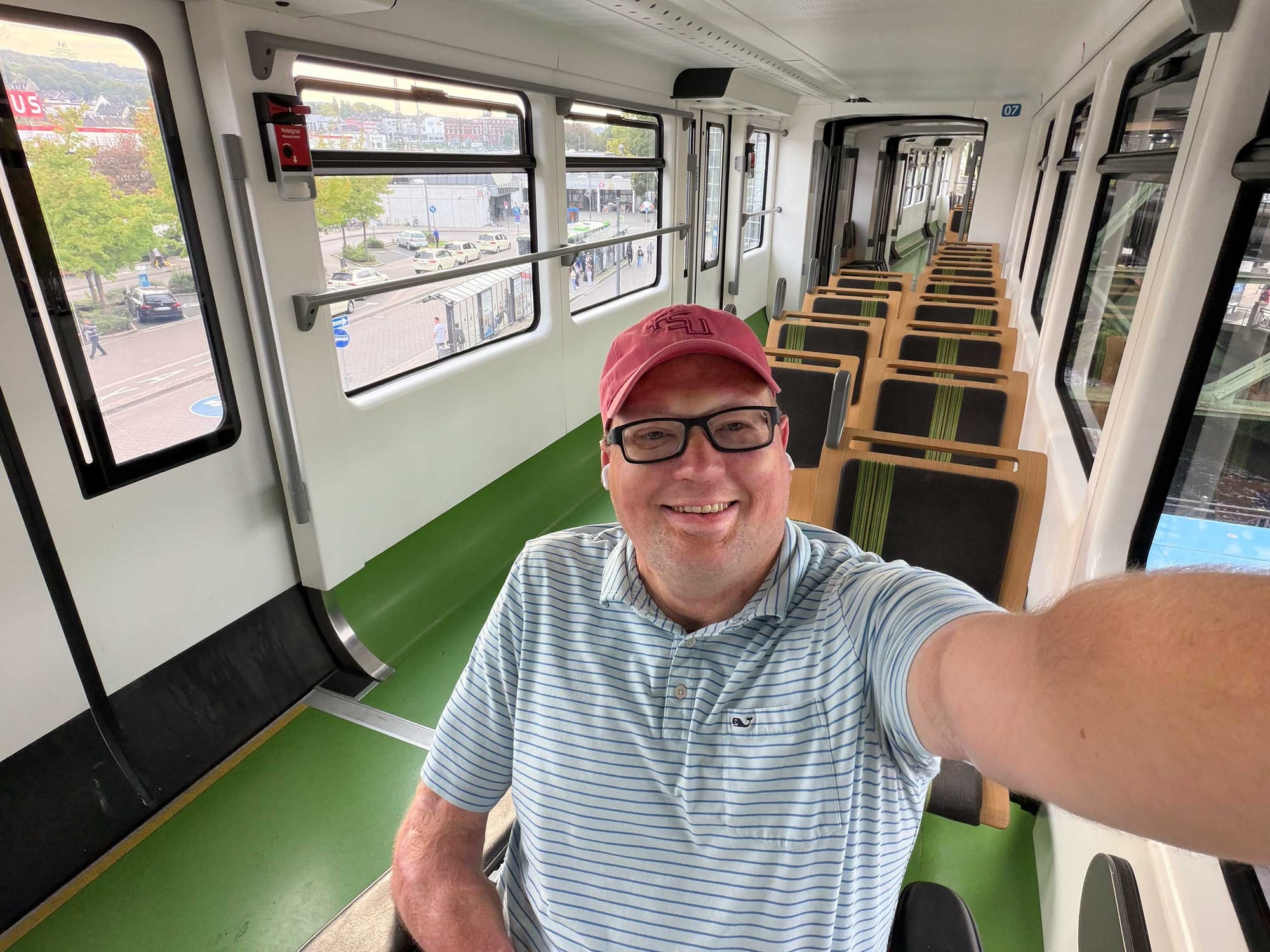
As an unabashed transportation enthusiast, visiting the city offered a prime opportunity for railbuffing. The entire length of the Schwebebahn was ridden end-to-end in both directions, accompanied by hundreds of photographs, video recordings, and the obligatory purchase of a commemorative 125th-anniversary t-shirt—even if the sizing turned out slightly off. Detailed information regarding the city’s accessible transit options and attractions, including its acclaimed Green Zoo, can be found in the newly published Wheelchair Accessible Travel Guide to Wuppertal.
Coming Soon: Wheelchair Travel Group Trip to Scotland!
Looking ahead to future itineraries, Wheelchair Travel Tours is officially heading to Scotland next summer. Travelers will have the opportunity to join an immersive group tour exploring iconic Scottish landscapes and urban centers, including Edinburgh, Glasgow, and Inverness.
Scheduled to run from June 6 through June 16, 2027, the 11-day itinerary is curated to highlight the rich history, art, culture, and culinary traditions of Scotland through a fully wheelchair-friendly lens. The complete tour itinerary will be unveiled on Monday, October 26, at 10:00 a.m. Eastern Time, released exclusively to paid newsletter subscribers. These members will receive a private, three-day booking window before remaining spaces open to free subscribers later in the week.
Itzhak Perlman and ADA Hotel Room Reservations
The frustrations of modern travel extend far beyond transit systems, frequently manifesting in accommodations as well. Itzhak Perlman, one of the world’s preeminent violinists, recently shared a frustrating ordeal on social media following a concert performance in North Bethesda. Upon checking into a prominent hotel where an accessible room had been confirmed six months in advance, Perlman was informed at the front desk that the room had been given away. With no assistance offered by hotel staff, and no alternative rooms immediately available on-site, the violinist was forced to scramble to find a separate hotel miles away, aided only by his accompanying concert promoter.

"For people with disabilities, accessibility is not a luxury or a preference. It is a necessity," Perlman noted, capturing a sentiment shared universally within the disability community.
Under United States federal regulations, the Americans with Disabilities Act mandates that hotels guarantee guests receive the specific accessible room type they reserved, covering everything from bed configurations to specialized bathroom fixtures. Yet, these legal safeguards do not prevent frequent compliance failures. Ironically, just weeks prior to Perlman’s public statement, a nearly identical incident occurred during the trip to Wuppertal, Germany, where a Holiday Inn Express mistakenly surrendered a reserved accessible room, necessitating an emergency relocation to a nearby Hilton. Though American disability laws do not apply overseas, the resulting logistical disruption is universally exhausting.

On a brighter note, memories remain fond of meeting Perlman back in 2018 during a performance in Dallas, Texas, where Marriott reward points were successfully redeemed for a ticket and a backstage meet-and-greet with the legendary maestro.
Looking Ahead
Back home for the remainder of the month, the immediate focus turns to catching up on professional writing and upcoming publishing schedules, including a forthcoming photo essay titled "Snapshots from Switzerland."

Next Friday, travel resumes domestically with a trip to Tallahassee, Florida, to attend a college football game and address business school students at Florida State University, an alma mater. The engagement provides a valuable platform to discuss the core economic and social importance of accessibility with the next generation of corporate leaders. Following the university visit, the Florida itinerary continues down to Tampa for the annual TravelAbility Summit. Having served on the conference’s advisory board since its inception, participation will center on connecting directly with representatives from major destination marketing organizations, airlines, hotel groups, and cruise lines to champion inclusive tourism practices.