

When encountering public ignorance regarding disability, reactions can range from polite endurance to outright frustration. For one family, however, the response often involves finding humor in the absurdity of everyday ableism while actively equipping the next generation with the tools to handle intrusive encounters with confidence and self-respect.
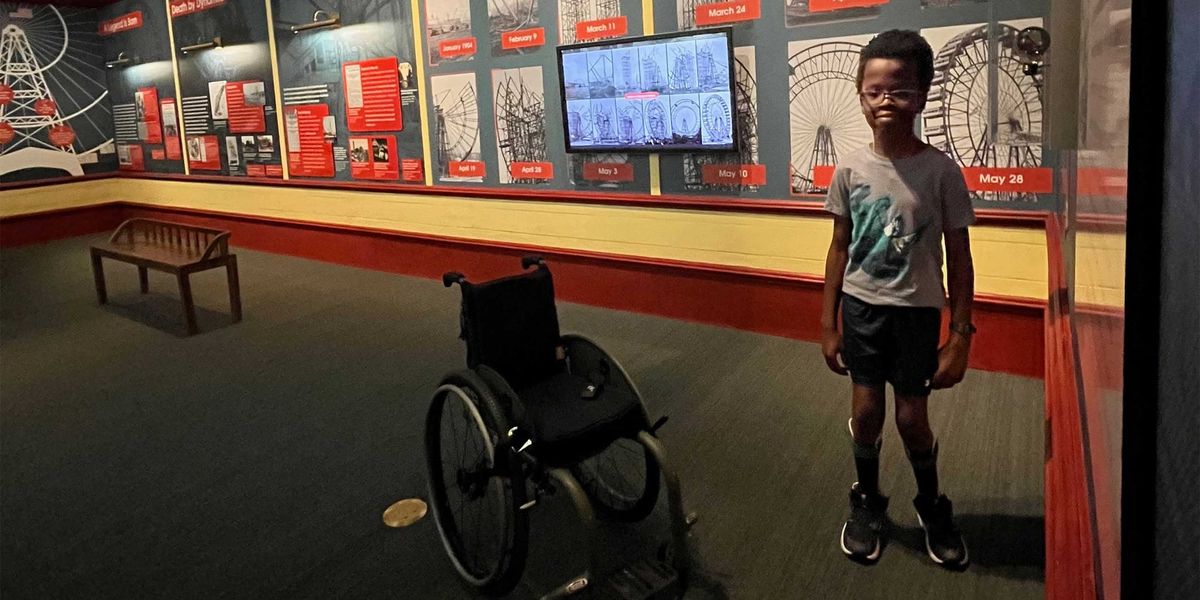
The experience of navigating public spaces as a family impacted by mobility disabilities involves confronting societal misconceptions on a regular basis. These encounters often begin with assumptions, unsolicited pity, or intrusive commentary from strangers who view disability through a lens of limitation rather than autonomy.
A recent breakfast date in Knoxville, Tennessee, perfectly captured the unpredictable nature of public interactions regarding disability. While enjoying a morning meal together before visiting the Knoxville Museum of Art, a restaurant staff member approached the table with a lingering stare. Caught between a downturned pout and a sympathetic smile, the staff member expressed astonishment that John, who is a wheelchair user, was responsible for his own meal and retrieved his own juice from the serving station. The interaction culminated in an exclamation of bewildered disbelief regarding his physical autonomy.
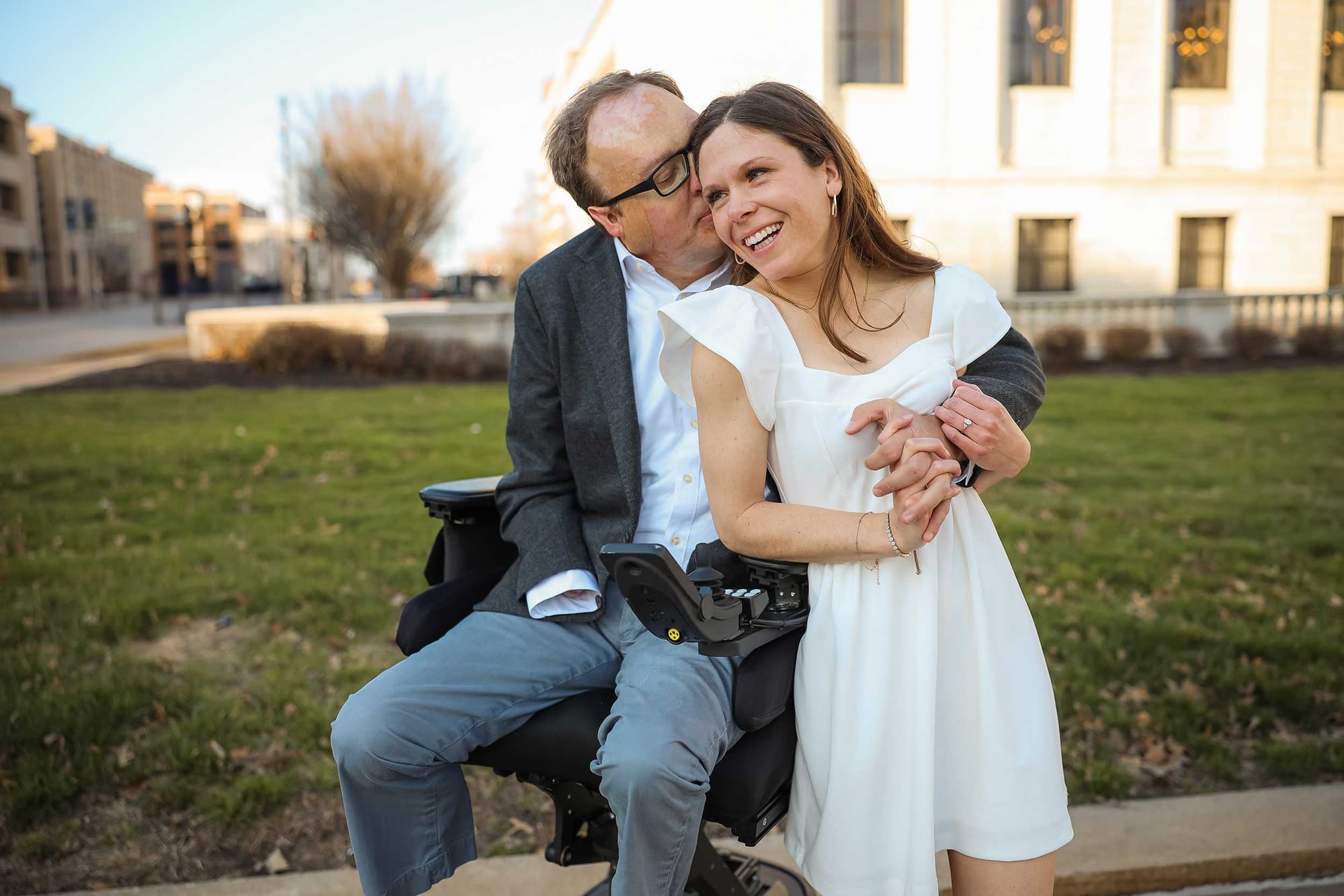
Rather than erupting into an argument, the moment dissolved into shared laughter once outside the establishment. Finding humor in the absolute absurdity of such ignorance has become a standard coping mechanism within the relationship, helping to diffuse the tension of being constantly scrutinized in public settings.
For Robert, a teenager growing up in a family deeply familiar with the disability experience, witnessing these reactions offers a practical education in handling similar situations. While teen angst occasionally manifests as an eye-roll, the shared humor ultimately reinforces a healthy perspective on everyday moments of societal misunderstanding.

The challenge, however, extends far beyond occasional restaurant remarks. It involves a continuous mental effort to teach young people how to recognize and respond to ableism effectively. Society instills numerous unwritten rules regarding politeness, authority, and deference—rules that often conflict with the fundamental need for personal boundaries and self-advocacy among disabled individuals.
Mainstream social conditioning dictates that ignoring people is rude, that authority figures must be obeyed without question, and that receiving any form of assistance requires immediate and profuse gratitude. Yet, navigating the world with mobility aids frequently requires breaking these exact social conventions to protect personal dignity and physical safety.
For instance, societal expectations often demand that disabled individuals offer exhaustive explanations regarding their medical histories, mobility devices, or daily accommodations. To counter this, establishing clear boundaries—such as practicing standardized responses that decline to share personal medical information—helps individuals protect their privacy without feeling compelled to educate every curious stranger.
Similarly, the expectation of expressing gratitude for equal access can place an undue emotional burden on disabled individuals. Being conditioned to say "thank you" for basic accommodations implies that accessibility is a special favor rather than a fundamental right. Teaching young people that they are under no obligation to show excessive gratitude for standard accessibility measures helps dismantle the notion that equal participation is a privilege.

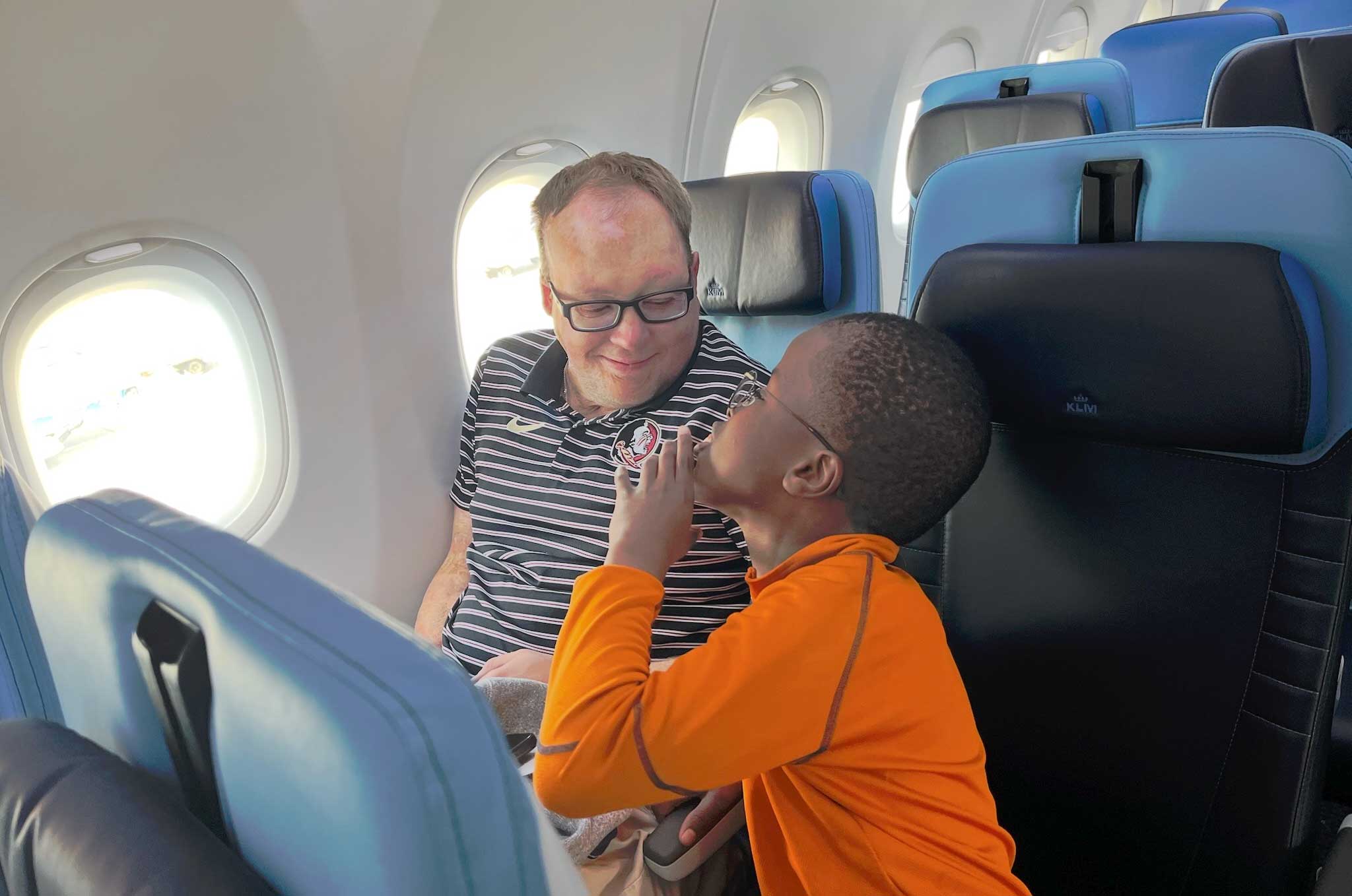
Authority dynamics present another complex arena. Passengers using mobility aids are frequently expected to submit to the directives of travel staff, even when those instructions compromise their safety or independence. Instances where airline or airport assistance personnel demand that passengers exit aircraft before their personal wheelchairs have been returned to the jetbridge highlight the importance of questioning questionable claims to authority. Standing firm against such directives ensures that mobility equipment, which serves as an extension of a person’s body, is handled properly and returned without damage.
Honesty remains a foundational value within the household, with one notable exception: fabricating absurd, entirely fictional origin stories to shut down intrusive "What happened to you?" inquiries. Utilizing humorous or outlandish explanations, such as attributing leg amputations to a shark attack, offers a lighthearted way to deflect inappropriate curiosity while reclaiming control over personal narratives.
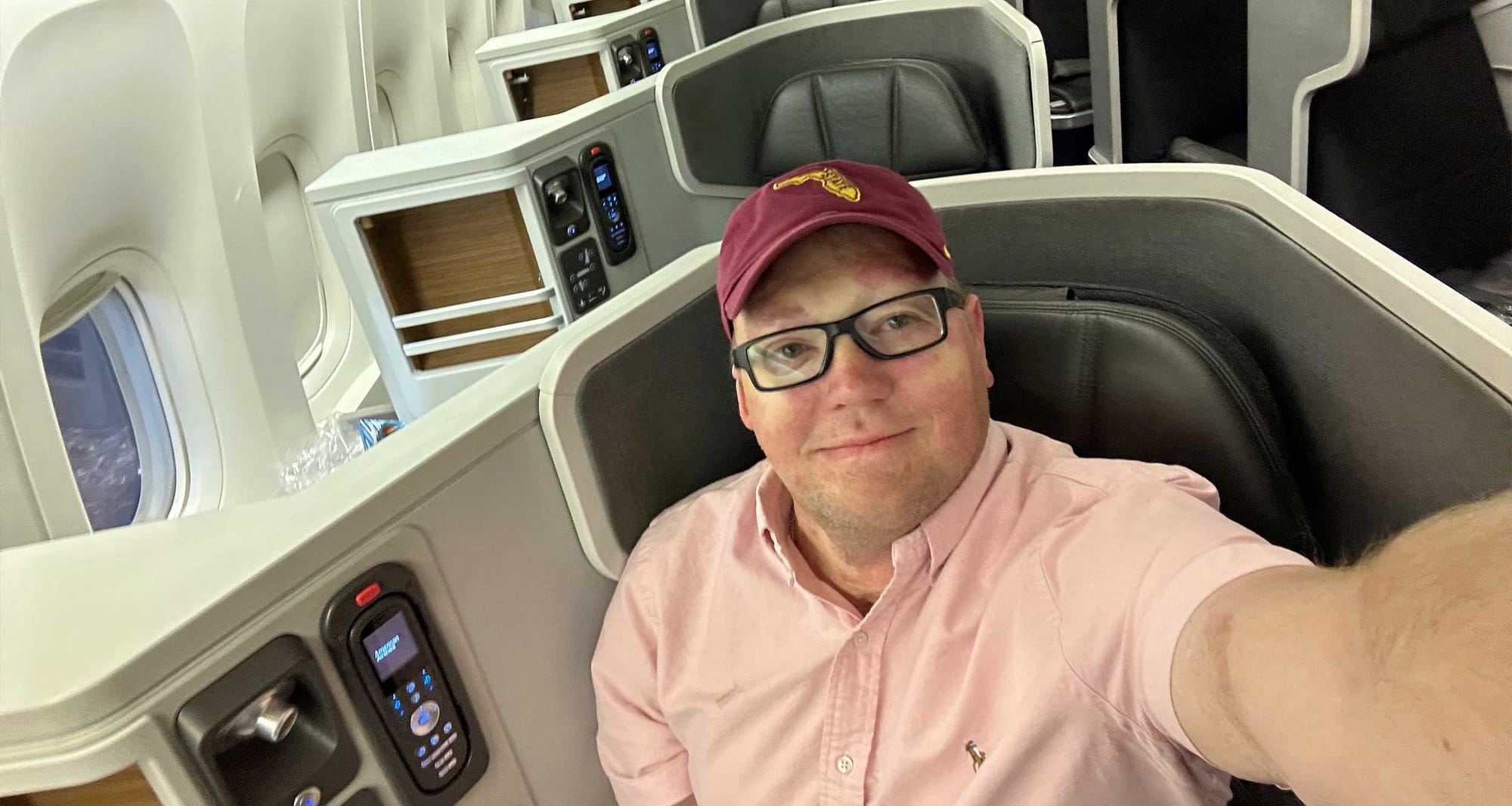
Developing these responses and teaching self-advocacy to a young person involves balancing the desire to protect them with the necessity of granting them agency. While adopting a passive approach might help a teenager blend in and avoid friction, the long-term cost involves a sacrifice of personal dignity. Fostering an environment where a young person feels empowered to speak up, set boundaries, and prioritize their own needs ultimately yields a more authentic and self-assured individual, even if it occasionally ruffles feathers.
Addressing a widespread social justice issue through daily, personal interactions can feel daunting. To maintain focus without experiencing burnout, viewing the work through a cyclical lens rather than a checklist mentality provides a sustainable perspective. Much like doing laundry, addressing ableism is an ongoing process rather than a task with a definitive endpoint. There will be times when individuals actively engage, practice new approaches, and tackle multiple situations at once, and other times when exhaustion requires stepping back to rest. Recognizing this cyclical nature helps prevent burnout and acknowledges that taking a break is a valid part of the human experience.

A core component of this ongoing education involves open communication and collaborative problem-solving. Regularly discussing public interactions helps young people process their experiences and emotions. Asking reflective questions allows individuals to analyze what worked, what felt uncomfortable, and how their feelings evolve over time. Because responses and comfort levels change with age, growth, and varying social contexts, the primary objective remains centered on collaborative reflection rather than enforcing a rigid script.
Rehearsing responses to recurring challenges also helps build confidence before entering high-stress environments. Practicing potential scenarios at home—such as managing unwanted assistance during airline boarding or navigating intrusive questions—prepares individuals to respond clearly and respectfully when similar situations arise in public. This practical preparation reduces anxiety and reinforces self-advocacy skills through repetition.
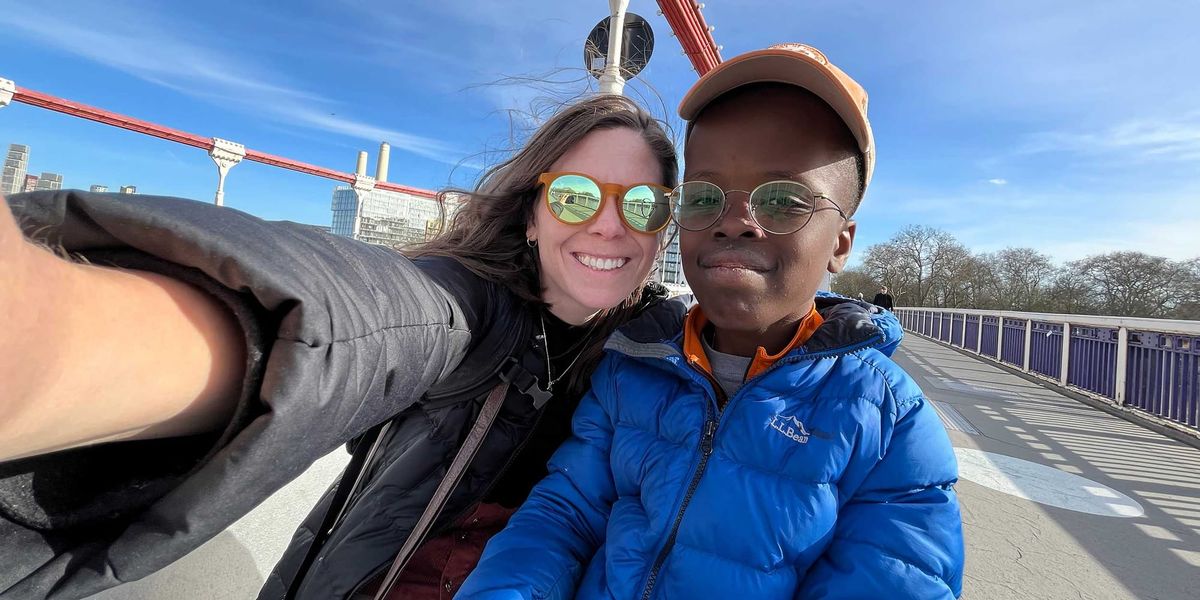
Navigating the world as a family while documenting these experiences highlights the diverse factors that influence public perceptions of disability. Age, gender, race, and the specific nature of a disability all intersect with pre-existing societal assumptions, meaning that acceptable response strategies must remain flexible and adaptable. By combining advance planning, open discussion, and a willingness to try different approaches, individuals can build the confidence needed to counter ableism effectively in daily life.



