The lingering stare is a familiar precursor. Lips typically caught between a downturned pout and a sympathetic smile, the observer prepares to deliver an all-too-familiar inspirational affirmation, most often a variation of "you’re an angel." For Stevie Morris, who was already well-adjacent to the disability experience through her son, Robert, these interactions were expected. But even seasoned familiarity could not entirely prepare her for what happened on a breakfast date in Knoxville.
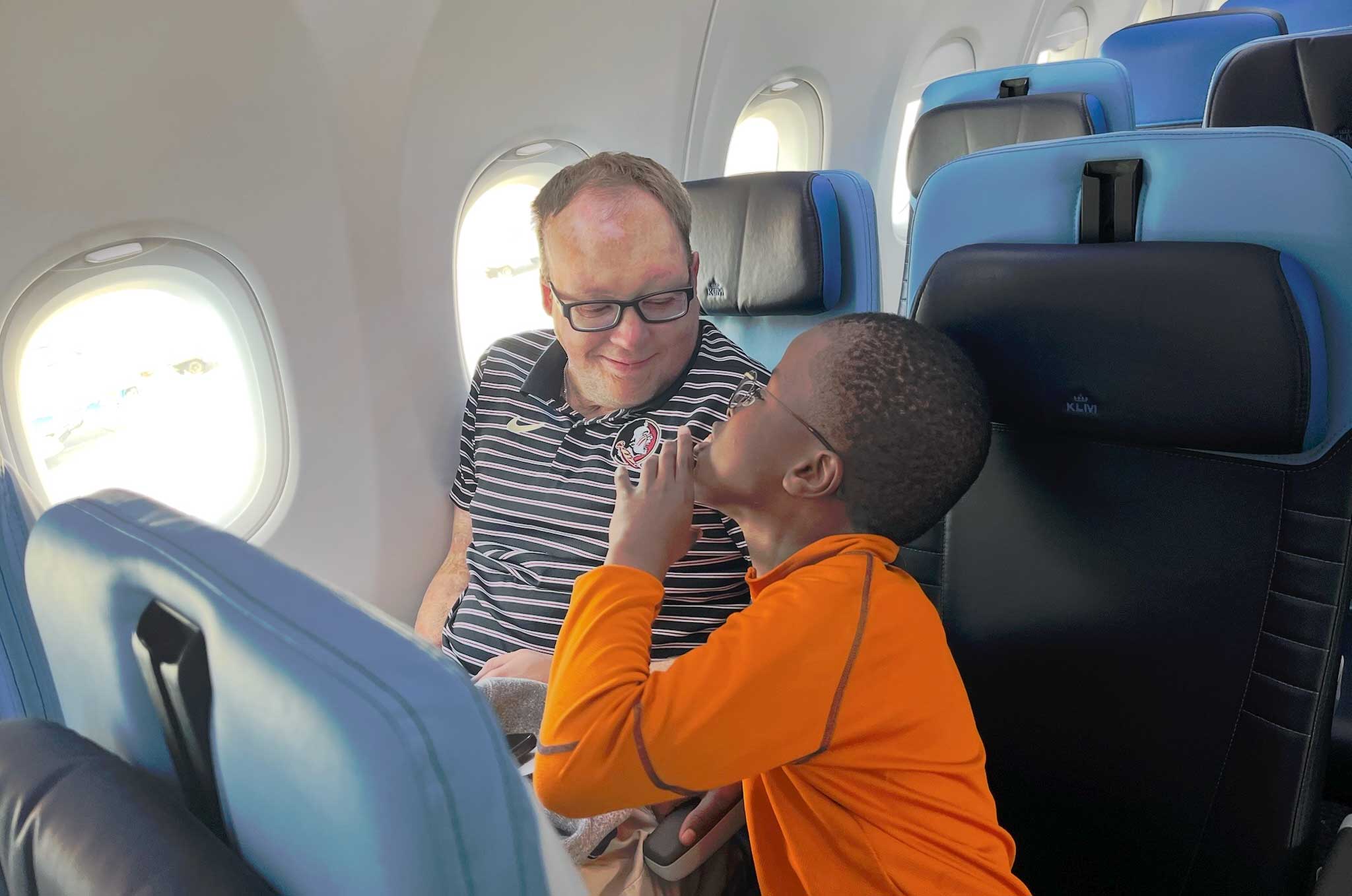
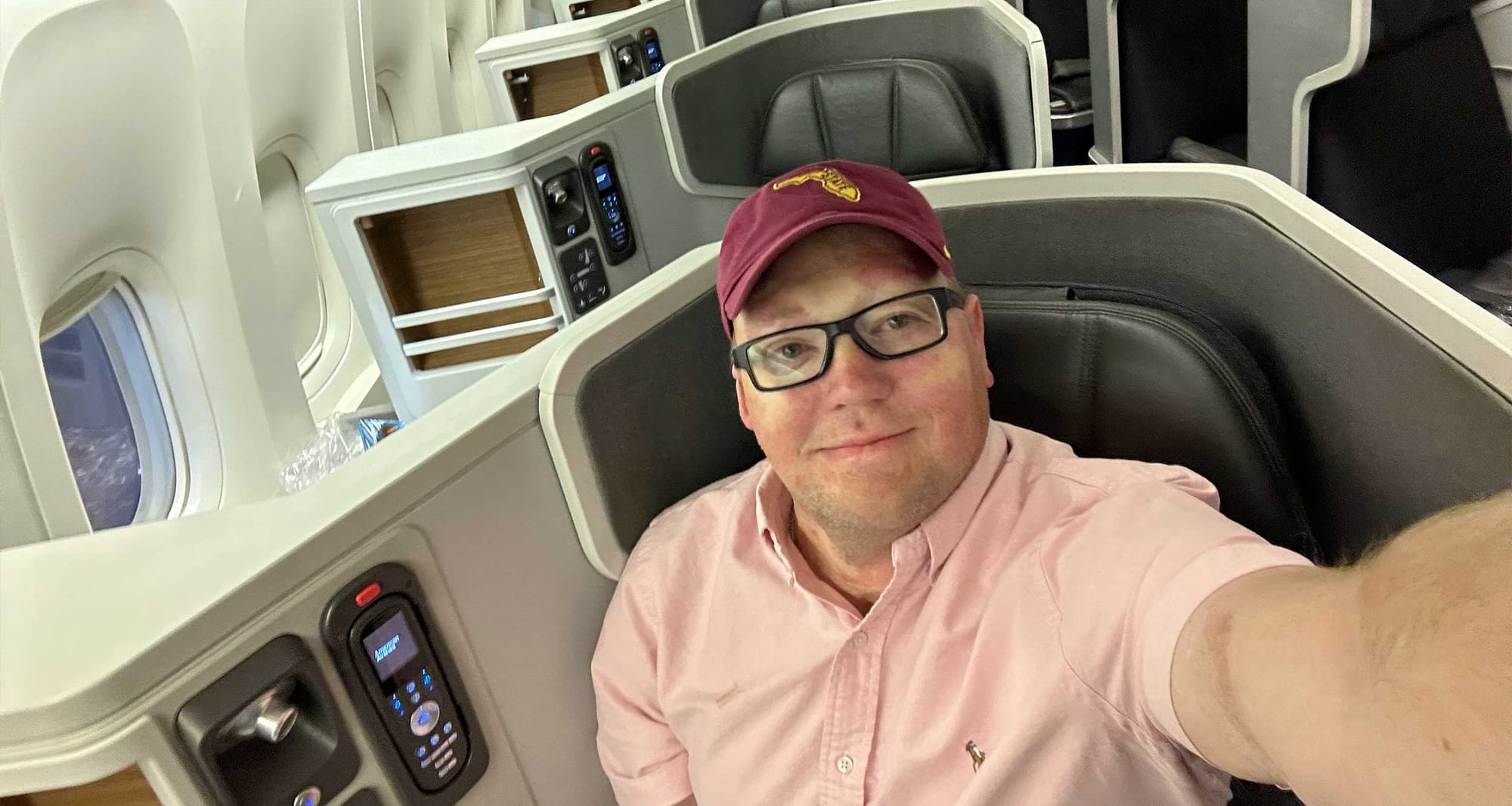
Morris and her partner, John, were on their second date, enjoying a quiet breakfast before heading to the Knoxville Museum of Art. Their first in-person date had taken place only the night before, but they had already moved well past the introductory stages, building upon an existing deep friendship and an ongoing long-distance relationship. They were relishing the excitement of quality time together when a restaurant staff member abruptly interrupted them.
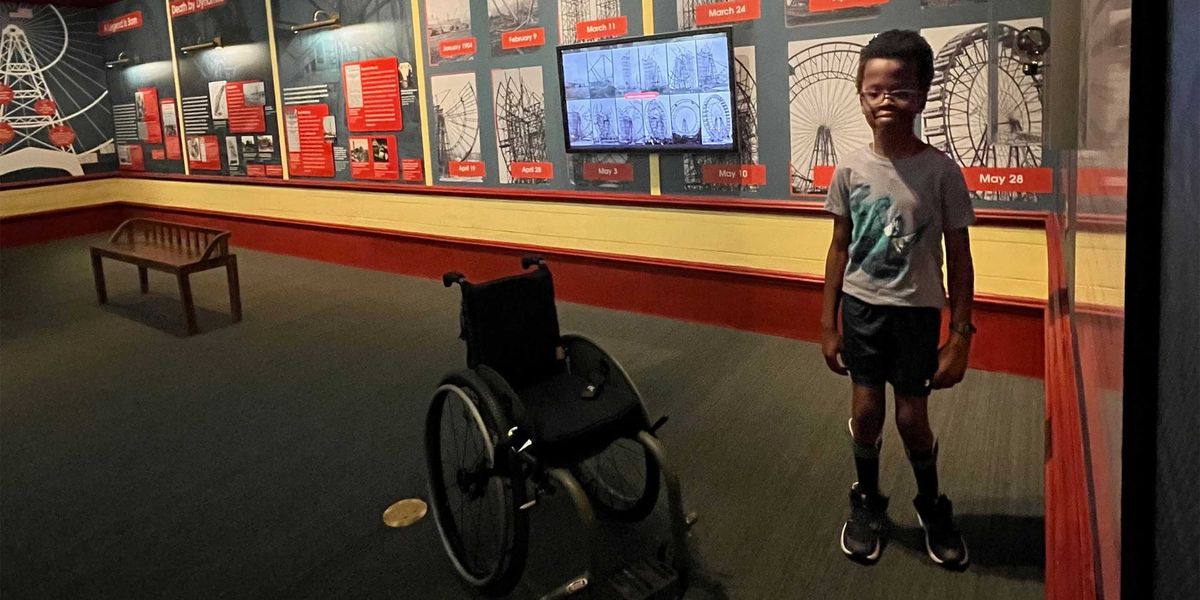
The employee expressed sheer amazement that John was capable of managing his own meal and navigating the serving station to get his own juice. Then came the exclamation: "He doesn’t even have a whole body!"
The remark was so pointed and so incredibly specific that Morris found herself momentarily wordless. Stifling a spreading grin, she offered a curt head nod and briskly left the restaurant, barely making it outside the front door before bursting into the first of many giggle-fits that John would come to witness.
Finding humor in the absolute absurdity of everyday ignorance has become a cornerstone of their dynamic. While it regularly elicits an eye-roll from Robert—responses the parents readily attribute to normal teenage angst—they recognize that he ultimately benefits from the shared humor as they navigate life as a family.

Reflecting on the interaction later, Morris considered how she might have reacted if Robert had been present, or how she would expect Robert to respond to a similar comment. Teaching a teenager to respond to ableism is a continuous mental task. It is nuanced, complex, and frequently runs counter to the social rules individuals unconsciously adopt to function in polite society. Uncovering these hidden biases and guiding Robert through them has become one of the most recurring conversations in their household.
Society dictates that it is rude to ignore people, yet Morris has taught Robert that he has full permission to walk away when faced with intrusive or infantilizing comments. Similarly, people are conditioned to automatically submit to authority figures, yet John models and helps Robert practice prioritizing his own needs while critically evaluating which claims to authority are actually valid.
This tension often plays out during air travel. When airline wheelchair assistance staff demand that John and Robert exit an airplane before their personal wheelchairs have been returned to the jetbridge—a common and frustrating experience for wheelchair users—they rightly decline. John has written extensively on the subject, challenging the authority of gate agents and assistance staff who routinely threaten disabled passengers with police intervention or arrest.

Beyond travel disputes, the family frequently encounters strangers expecting detailed explanations for mobility aids and accommodations. To protect their privacy and emotional energy, they maintain a repertoire of practiced responses, such as stating plainly that they do not share personal medical information.
Gratitude is another social norm heavily scrutinized in their home. While people are typically expected to automatically say "thank you" when offered assistance, Morris has told Robert that he can pull away without a word or a glance if someone attempts to grab his wheelchair without permission. Morris has explored this dynamic deeply in her writing, examining how disabled children are often conditioned to show excessive gratitude simply for receiving equal access—a standard that places an unfair emotional burden on the individual.
Honesty is a core value in their household, with one humorous exception: inventing elaborate, entirely fictitious tales to answer invasive "What happened to you?" questions. To shut down inappropriate inquiries, John has occasionally resorted to deadpan explanations, such as claiming his leg amputations were the result of a shark attack.
Some might argue that it would be easier to establish a single, uniform response strategy for Robert, or to deny him agency in how he responds in order to shield him from how he might be perceived by the public. But Morris and John weigh these choices against the long-term cost. Raising a teenager who strictly follows unwritten social rules and fits a mold might make things smoother in the short term, but it often requires sacrificing a piece of personal dignity. Conversely, raising a self-advocate who is true to himself may occasionally ruffle feathers, but it preserves his autonomy and self-respect. For Morris, the choice regarding the greater good is clear.
Tackling a systemic social justice issue through daily, personal interactions is undeniably difficult and can feel overwhelming. To manage this, Morris has adopted specific mental shifts to keep her focus aligned.
One primary shift is changing her perspective on the nature of the work itself. Morris compares confronting ableism to doing the laundry: it is a cyclical household chore that is never truly finished. There will never be a point when the task is permanently completed. A household is always in some stage of the process—piling up dirty clothes, washing, drying, folding, or putting garments away. Sometimes the chore is avoided for an embarrassing amount of time; other times, a full day is dedicated to powering through multiple loads to catch up. Even then, the clothes currently being worn will eventually need to be washed, and the cycle continues.

Recognizing this cyclical nature, rather than adopting a rigid check-box mentality, has provided Morris with a more balanced viewpoint. She no longer measures her success by the full completion of a task that can never truly be finished. Instead, addressing ableism involves doing a little bit here and there, learning and practicing one response before pivoting to a different approach, and occasionally taking a break when exhaustion sets in and bandwidth runs low.
Another essential strategy is open discussion. Morris continually asks Robert questions to process events together, prompting him with inquiries such as what can be learned from a specific interaction, what worked and what did not, and how certain remarks made him feel. Because a teenager’s responses and feelings evolve over time and growth, these conversations frequently yield surprising insights. The objective is not to find a single magic fix, but rather to engage in collaborative problem-solving.
To prepare for high-stress environments, the family rehearses potential scenarios. Once a recurring problem is identified, they practice their responses using creative methods, such as utilizing stuffed animals, acting out different situations, or even drawing comic books together to outline a chosen strategy. Airplane boarding, for instance, was once a constant source of stress because assistance staff would frequently make assumptions about Robert’s abilities, moving his wheelchair or attempting to direct his boarding without asking. By discussing the best approach and practicing at home—with Morris pretending to be an overzealous assistant grabbing the chair without permission and Robert responding clearly and respectfully—they build the muscle memory needed to handle real-world encounters with confidence.
Even with a wide array of acquired skills, the family still experiences moments of stumbling, occasionally second-guessing whether a different approach might have been better. Maintaining a constant awareness of how interactions unfold places a heavy cognitive load on both parents and child. John and Robert also recognize that what constitutes an acceptable response to ableism can shift depending on variables such as age, race, gender, and the specific nature of a disability, all of which intersect with pre-existing societal assumptions.
By combining proactive planning with a willingness to experiment with different approaches, the family continues to foster Robert’s confidence. While the work of dismantling ableism in daily life remains ongoing, their experiences serve as a practical look at how families can navigate ignorance with humor, strategy, and self-advocacy.