

The lingering stare said it all. With lips caught somewhere between a downturned pout and a sympathetic smile, the restaurant staff member looked across the table toward John, seemingly preparing to offer one of those all-too-familiar inspirational affirmations that people with disabilities encounter on a regular basis. Having already been closely adjacent to the disability experience through Robert, Stevie assumed she knew what to expect. But what was said next completely upended those expectations.
The scene unfolded during the second date between Stevie and John, who were enjoying a relaxed breakfast in Knoxville before heading out to visit the Knoxville Museum of Art. Their first in-person meeting had taken place only the night before, but the two were already well past the introductory stages. Bound by a deep friendship and an ongoing long-distance relationship, they were relishing the excitement of sharing quality time together when a restaurant employee interrupted their meal.
The staff member expressed sheer amazement that John was not only responsible for his own food but was actually managing to retrieve his own juice from the serving station. Then, pointing directly to the reality of his physical condition, she exclaimed, "He doesn’t even have a whole body!"
The comment was so pointed and so remarkably specific that Stevie found herself momentarily speechless. Stifling a spreading grin, she offered a curt head nod and briskly left the restaurant, barely making it through the front door before bursting into the first of many giggle-fits that John would come to witness over the course of their relationship.
Finding humor in the absolute absurdity of everyday ignorance has become a defining characteristic of their dynamic. It is a shared coping mechanism that occasionally elicits an eye-roll from Robert, though Stevie and John attribute that reaction to normal teenage angst rather than genuine disapproval. They recognize that Robert ultimately benefits from the levity and resilience they model as parents when confronting the awkward and intrusive behavior of strangers.
Reflecting on that interaction later, Stevie often considered whether she would have reacted differently if she had been sitting alongside Robert, or how she might have expected Robert to respond in a similar situation. Teaching a young person how to navigate and respond to ableism is a constant, deliberate mental task. It is a nuanced and complex process that frequently runs counter to the traditional social rules people unconsciously adopt as they learn to function in society. Uncovering these hidden biases and equipping Robert with the tools to address them has become one of the most recurring and vital conversations in their household.
Society generally considers it rude to ignore people who are speaking to you, yet Stevie has explicitly taught Robert that he has full permission to walk away when faced with intrusive, infantilizing, or dehumanizing comments. Similarly, people are routinely conditioned to submit automatically to authority. However, John actively models and helps Robert practice prioritizing his own needs while critically questioning which claims to authority are actually valid.
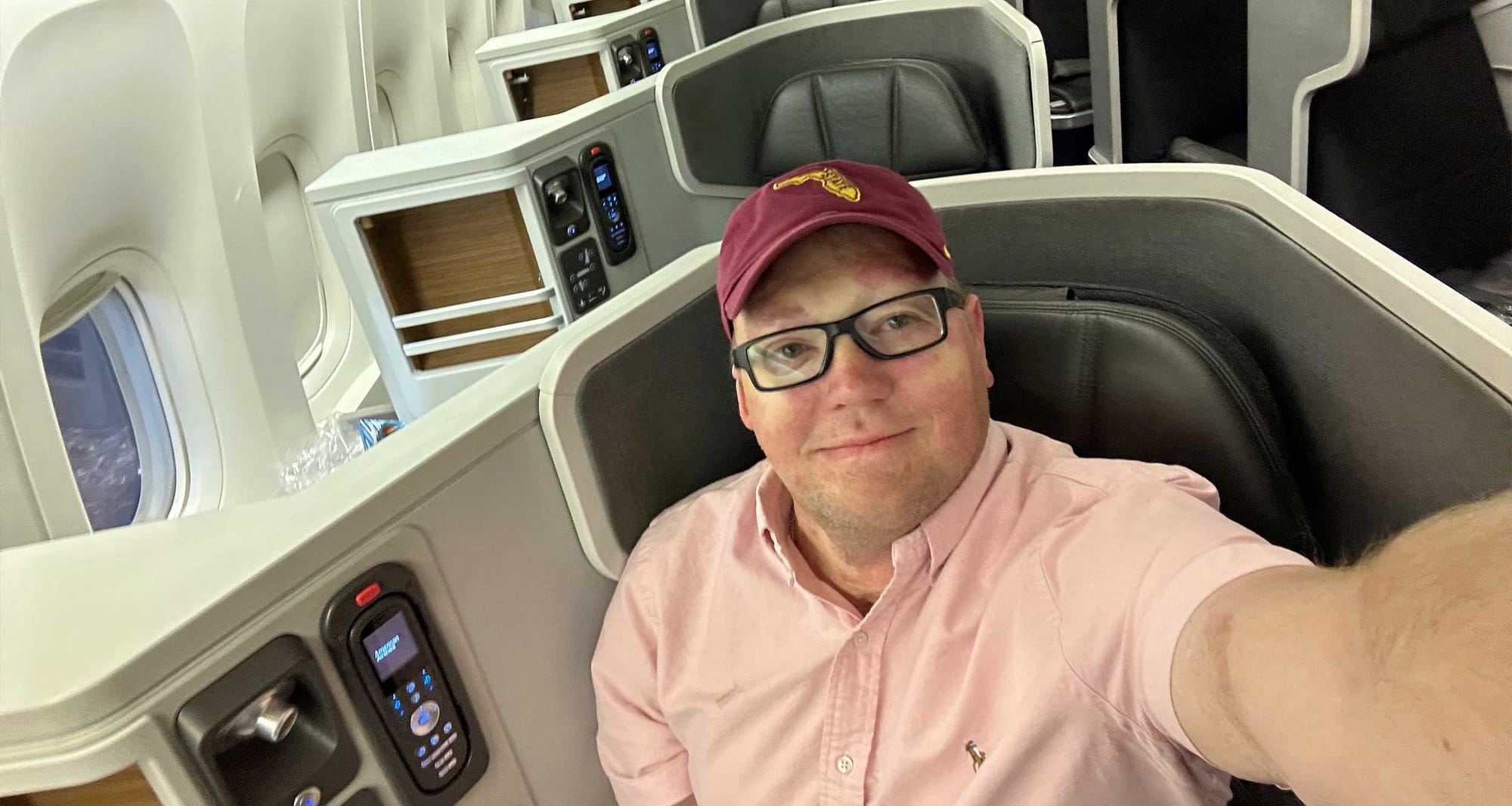
A prime example of this dynamic occurs during air travel. When airline wheelchair assistants demand that John and Robert exit an airplane before their personal wheelchairs have been brought back up to the jetbridge, both men routinely and rightly decline to comply. The friction between disabled passengers and gate agents highlights a broader institutional problem within the travel industry, where safety and autonomy are frequently overridden by rigid airline schedules and untrained personnel.
Beyond travel disputes, the family frequently faces intrusive questions regarding mobility aids and personal accommodations. To counter this, they maintain a prepared list of boundary-setting responses, such as a firm statement declaring that they do not share personal medical information.

Cultural norms dictate that people should automatically say "thank you" when offered assistance, but Stevie has told Robert that he is entirely justified in pulling away without so much as a glance if an unfamiliar person attempts to grab his wheelchair without consent. This conditioning—where disabled children are subtly trained to express excessive gratitude simply for receiving equal access—remains a persistent societal hurdle.
Honesty is prized as a foundational value within their home, with one notable exception: the invention of entirely fabricated, utterly absurd stories to satisfy strangers asking the intrusive question, "What happened to you?" John has occasionally resorted to deadpan explanations involving shark attacks to shut down ridiculous inquiries, using humor to reclaim narrative control over his own body and experiences.
Some critics might argue that it would be easier to establish a single, uniform response strategy for Robert, or to deny him the agency to formulate his own replies out of concern for how he might be perceived by the public. But Stevie and John must constantly weigh the long-term cost of such choices against present-day comfort. They face a fundamental parenting fork in the road: they could help shape a teenager who quietly follows the rules and fits the mold at the expense of his own dignity, or a young person who may occasionally ruffle feathers but remains fiercely true to himself and capable of self-advocacy. For them, the choice that serves the greater good is glaringly obvious.
Even so, tackling such a pervasive social justice issue in the context of daily life remains an immense challenge. To maintain focus without burning out, Stevie has adopted specific mental shifts, comparing the ongoing work of addressing ableism to the never-ending chore of doing laundry. There is no point in time when the laundry is permanently finished; the cycle of piling, washing, drying, folding, and putting away clothes simply continues indefinitely. Accepting this cyclical reality rather than approaching ableism as a checklist of tasks to be completed has provided a more balanced perspective. Success does not require eradicating ableism once and for all. Instead, it involves doing a little work here and there, learning and practicing responses, and occasionally taking a step back when exhaustion sets in.

Central to their approach is open discussion. Stevie consistently engages Robert with reflective questions, asking what can be learned from a particular encounter, what worked or failed, and how specific comments made him feel. Because Robert’s responses and emotional landscape naturally evolve as he grows, these conversations often yield surprising insights. The objective is never to find a single magic fix, but rather to engage in collaborative problem-solving.
To bridge the gap between theory and reality, the family actively rehearses potential scenarios. They have practiced responses using stuffed animals, role-played various social interactions, and even collaborated on comic books illustrating specific strategies they wanted to implement. For instance, boarding commercial aircraft historically served as a continuous source of stress because assistance staff frequently made unilateral assumptions about Robert’s physical abilities, attempting to move his wheelchair or dictate boarding procedures without consultation. By discussing the most effective approach beforehand and role-playing the interaction at home—with Stevie simulating an overbearing assistant attempting to grab the chair without permission—Robert was able to practice responding clearly and respectfully. This repetition builds critical confidence, ensuring that he can draw on practiced techniques even in high-stress environments.
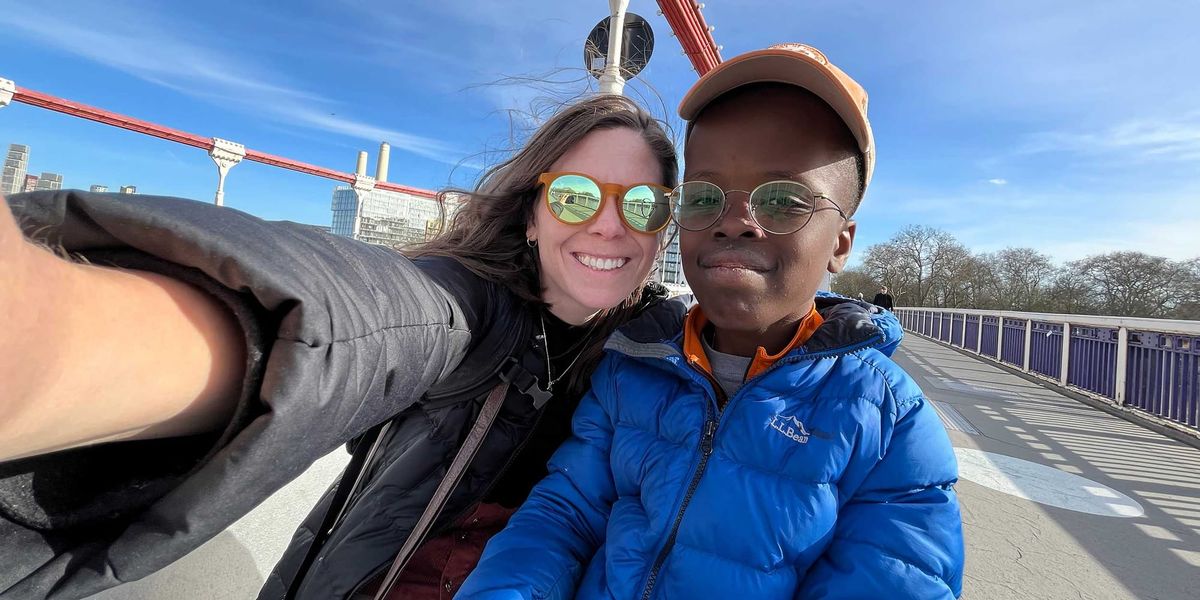
Operating a travel platform while simultaneously documenting the broader realities of navigating the world as a family, John and Robert continue to refine their toolkit for addressing ableism. Despite years of experience, they still occasionally stumble or wonder if a different approach might have yielded a better outcome. They remain acutely aware that what constitutes an acceptable response to ableism can shift dramatically depending on factors such as age, race, gender, and the specific nature of a person’s disability, all of which intersect with deeply ingrained societal assumptions. By combining careful planning with a willingness to experiment with different strategies, they continue to foster confidence and self-advocacy, offering a blueprint for others navigating similar terrain.



