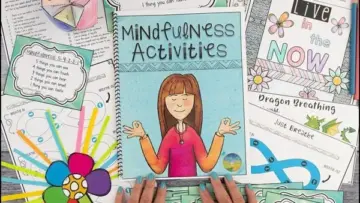
As the winter season sets in and holiday breaks approach, educators, parents, and child development specialists are increasingly focusing on strategies to help children and young adults manage their emotions, behaviors, and focus. The transition into colder months often brings disrupted routines, increased indoor confinement, and the unique pressures of the holiday season. To address these challenges, a growing body of practice highlights the importance of teaching self-regulation through engaging, seasonal activities designed to foster calm and resilience.
Self-regulation—defined as the fundamental ability to effectively manage thoughts, feelings, and actions—plays a vital role in a child’s daily life. It enables youngsters to navigate everyday emotional fluctuations, maintain concentration on academic and personal tasks, and establish positive social connections with peers and adults. While these competencies are essential throughout the entire year, experts note that self-regulation strategies become critically important immediately before and after extended winter breaks. The combination of shifting schedules and holiday-induced stress often means children require extra support during these months.
Rather than treating emotional regulation as a purely academic or clinical exercise, child advocates emphasize that learning these coping mechanisms can and should be an enjoyable experience. A comprehensive suite of ten distinct, winter-themed activities has emerged as a practical framework for classrooms and households aiming to bolster self-regulation skills during the colder months.
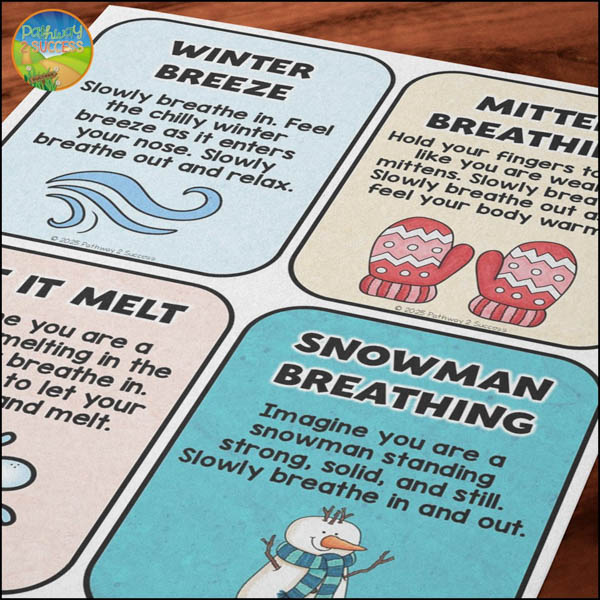
At the foundation of these strategies are winter breathing exercises. By guiding children through deep breathing techniques paired with seasonal imagery, educators and caregivers help youngsters learn how to hit a psychological pause button. Rather than reacting immediately to impulsive feelings or emotional triggers, children practice taking slow, measured inhales and exhales. This foundational practice activates the parasympathetic nervous system, the biological mechanism responsible for true physical and mental rest. Extensive research supports the efficacy of mindful breathing in reducing physiological stress, enhancing attention spans, and cultivating an overall sense of tranquility.
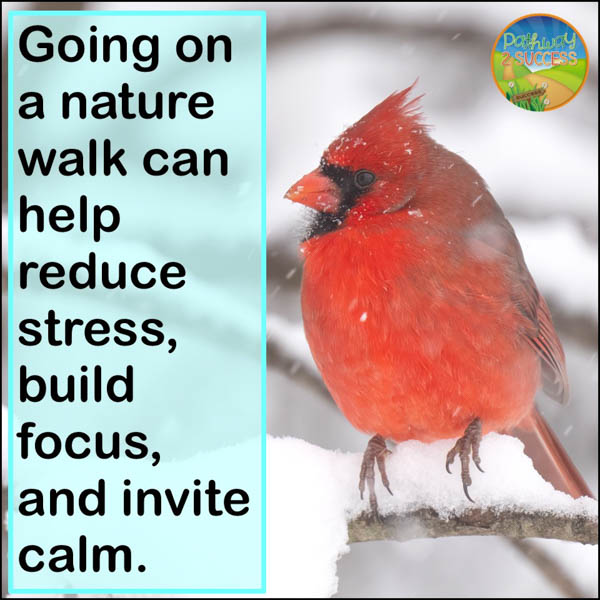
Complementing indoor breathing practices, outdoor nature walks provide another robust avenue for emotional grounding. Even in winter, guiding children through structured explorations of their local environment encourages sensory awareness. By prompting youngsters to notice the sights, sounds, feels, and smells around them—such as a chilly breeze or the crisp winter air—adults facilitate active mindfulness. Research consistently demonstrates that spending time outdoors helps alleviate stress, sharpens attention, and improves general mood. Furthermore, winter nature walks promote physical exercise and expose participants to natural daylight, which remains vital during months characterized by reduced sunlight.
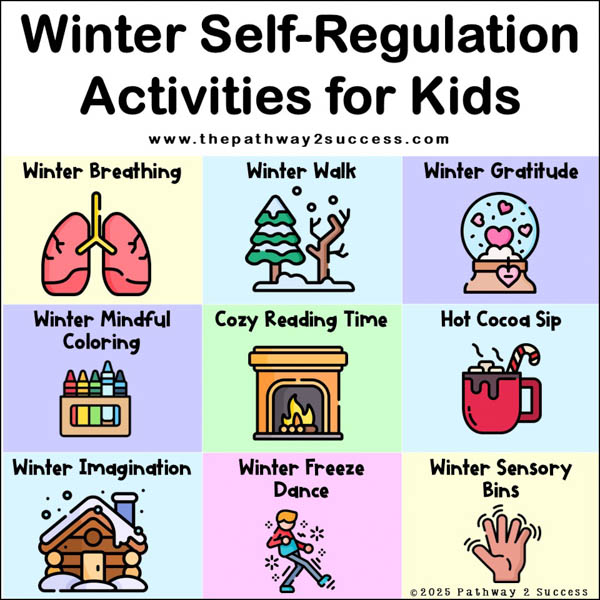
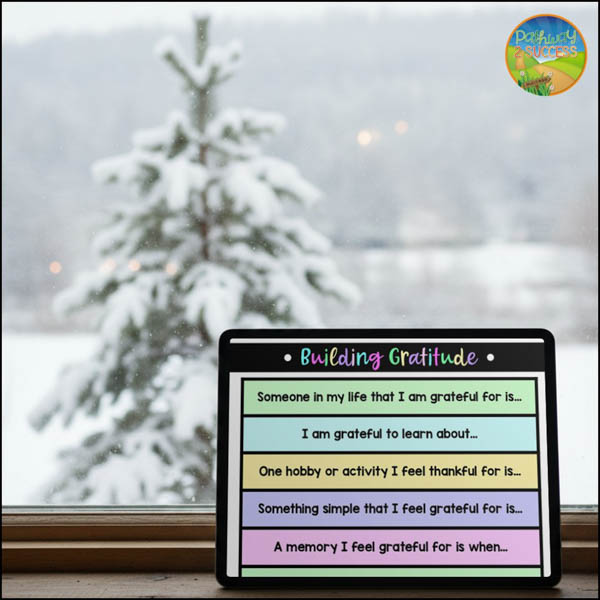
Gratitude reflection represents a third pillar of seasonal self-regulation. By taking time to articulate what they appreciate during the winter season—ranging from warm seasonal beverages to family gatherings—children learn to reframe their cognitive focus toward positive experiences. Whether through structured classroom discussions, gratitude sentence starters, or reflective journal writing, practicing thankfulness has been scientifically linked to reduced anxiety, improved emotional resilience, and better sleep quality.
To accommodate children who require creative outlets or movement, educators often turn to mindful winter coloring. Unlike traditional meditation that demands absolute physical stillness, coloring allows participants to engage their hands while slowing down their breathing and thoughts. Utilizing winter-themed pages coupled with positive self-talk phrases offers an evidence-based method for easing anxiety and improving mood, making it an ideal strategy for restless learners.
Cozy reading time serves a dual purpose of relaxation and interpersonal connection. Whether through independent silent reading or shared read-aloud sessions, immersing children in a good book helps lower physiological stress levels and eases muscle tension. Group reading sessions offer the added benefit of co-regulation, allowing children and adults to share a calm, collective experience that fosters empathy and long-term well-being away from daily stressors.
Hands-on sensory exploration through winter-themed sensory bins provides another tactile method for grounding children. By filling containers with safe, winter-inspired materials, educators and parents can engage children in focused sensory play that naturally promotes calm while simultaneously supporting fine motor development and natural curiosity.
Similarly, the simple act of sipping a warm cup of hot cocoa transforms into mindfulness in action. By encouraging children to deliberately experience the warmth of the mug, the aroma, and the taste between slow sips, caregivers provide a sensory anchor that quiets the mind and signals the central nervous system to relax.
When physical gathering is not possible, winter imagination exercises allow children to practice mental visualization. By guiding students to close their eyes and mentally explore relaxing seasonal landscapes through sensory prompts, visualization helps participants actively shift their internal states into calm relaxation.
Creative outlets like winter crafts further support emotional management. Engaging in hands-on art projects requires fine motor control, sustained attention, and patience, teaching children how to navigate minor frustrations when their creative work does not go precisely as planned.
Auditory approaches, such as playing gentle, winter-themed instrumental music during transitions or independent work periods, leverage the power of sound to establish a focused atmosphere and trigger a natural relaxation response. Finally, active games like the winter freeze dance allow children to practice self-control dynamically, blending physical movement with the discipline of freezing upon hearing specific seasonal cues.

Together, these varied approaches underscore a unified strategy for supporting children through the structural and emotional shifts of the winter season. By integrating mindful breathing, sensory exploration, creative arts, and physical movement into daily routines, adults can provide the essential scaffolding kids and teens need to maintain emotional balance all winter long.