As winter weather settles in and holiday breaks approach, educators and parents are increasingly recognizing a familiar seasonal challenge: helping children and young adults manage their thoughts, feelings, and behaviors amidst shifting routines. Self-regulation—the essential ability to navigate everyday emotions, maintain focus on tasks, and build positive connections with peers—faces unique pressures during the colder months. With more time spent indoors, altered daily schedules, and the ambient stress often accompanying the holiday season, children frequently require extra emotional and behavioral support.
In response to these seasonal hurdles, child development advocates and educators are emphasizing that practicing self-regulation skills does not have to feel like a chore. By integrating engaging, winter-themed activities into daily routines at home and in the classroom, adults can provide children with the foundational tools they need to stay grounded. Experts point to a diverse suite of creative exercises designed to activate the body’s natural calming systems while keeping kids actively engaged through the coldest months of the year.
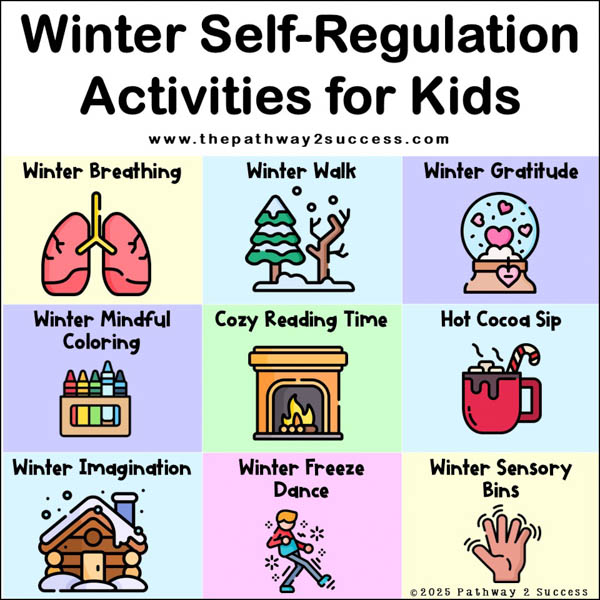
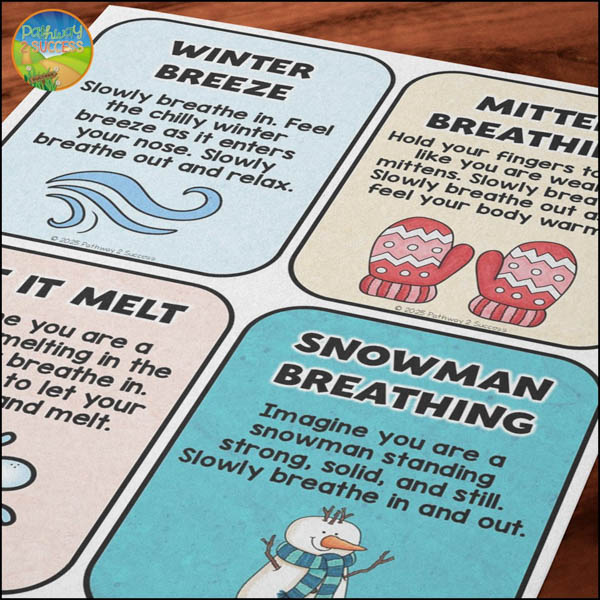
At the core of many emotional management programs are specialized breathing exercises tailored for the winter season. Mindful breathing serves as an effective pause button for children, teaching them to tune into their inhales and exhales rather than reacting impulsively to immediate feelings. Educators explain that focusing on the breath activates the parasympathetic nervous system, the biological mechanism responsible for true rest and relaxation. Extensive research underscores that these foundational exercises support self-regulation, enhance mental focus, and foster an overarching sense of calm that children can access anytime, anywhere.
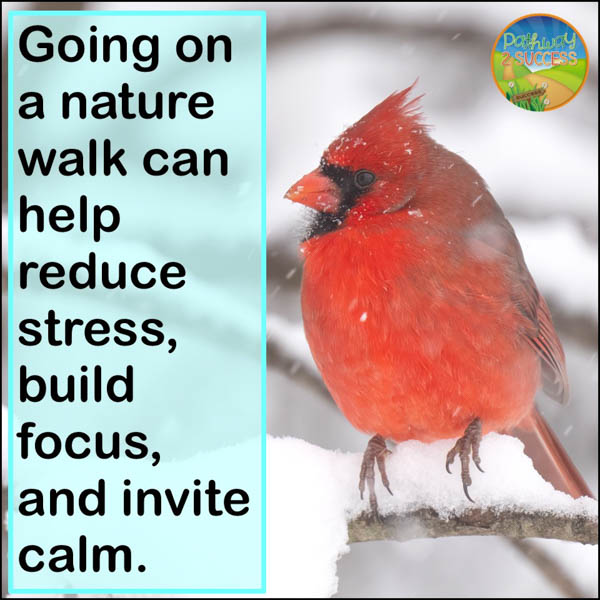
Beyond indoor breathing techniques, getting outdoors remains a powerful avenue for emotional regulation, even in chilly weather. Outdoor nature walks encourage children to engage their senses by actively noticing the sights, sounds, feelings, and smells of their immediate environment, whether that means spotting a soaring hawk or feeling a crisp winter breeze. Spending time in nature has been widely shown to reduce stress, strengthen attention spans, and improve overall mood and well-being. Furthermore, stepping outside guarantees vital exercise and exposure to winter sunshine, supporting both physical health and emotional balance.
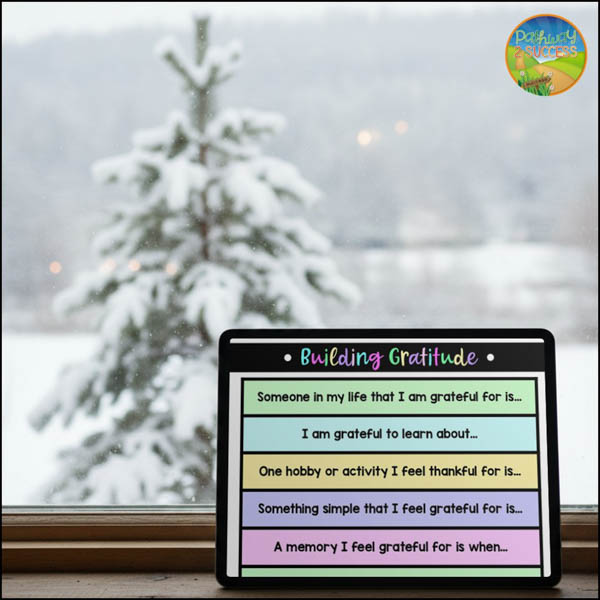
The transition into winter also offers a natural backdrop for gratitude practices, which encourage children to reflect on positive aspects of the season. By moving beyond general statements to pinpoint specific sources of appreciation—such as the warmth of sunshine on a cold day, time spent with family, or hot beverages—children actively rewire their brains to focus on the positive. Scientific studies indicate that cultivating gratitude yields reduced stress levels, stronger resilience, improved sleep quality, and an enhanced sense of general well-being.
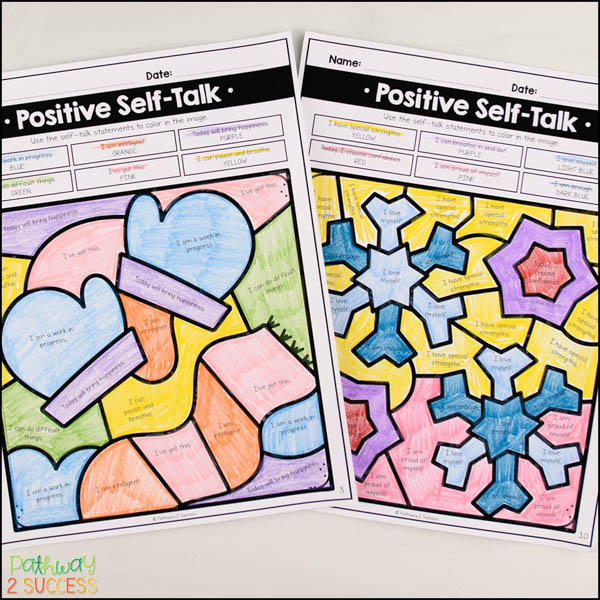
For children who process emotions better through tactile or artistic outlets, mindful coloring offers a proven, evidence-based avenue for stress reduction. Utilizing winter-themed coloring pages paired with positive self-talk phrases allows kids to slow down, breathe, and focus without the rigid stillness sometimes required by traditional meditation. Because coloring accommodates minor physical movements, it serves as an especially valuable self-regulation strategy for children who struggle to sit completely still.

Similarly, fostering calm through cozy reading traditions provides a mental sanctuary from daily stressors. Whether through independent silent reading or shared read-aloud sessions that build social connection and co-regulation, immersing young minds in a good book helps lower stress levels, ease muscle tension, and promote long-term well-being. This literary focus offers a healthy cognitive break from the bustling activity often surrounding the winter calendar.
Tactile exploration through winter-themed sensory bins further supports self-regulation by engaging children in hands-on play. Containers filled with safe, winter-inspired materials encourage mindfulness and calm while simultaneously bolstering fine motor skills, curiosity, and storytelling abilities. In a similar vein, the mindful ritual of sipping hot cocoa brings mindfulness into direct action. The sensory experience of holding a warm mug, smelling the aroma, and slowly tasting the drink helps quiet the mind while physical warmth signals the central nervous system to relax.

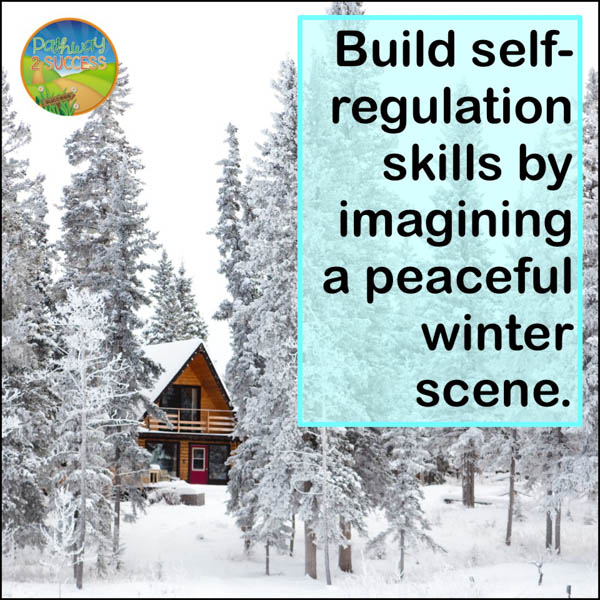
When physical presence is limited, winter imagination and visualization exercises allow children to mentally transport themselves to calming, scenic landscapes. By guiding kids to close their eyes and mentally explore peaceful winter settings using sensory prompts, adults help them practice shifting their internal states into deep relaxation.

Creative outlets like hands-on winter crafts and movement-based games provide additional structural support for emotional control. Arts and crafts engage fine motor skills and channel focus as children navigate the multi-step creative process and manage frustration when projects encounter minor imperfections. Meanwhile, active games such as winter-themed freeze dance encourage physical self-control, requiring participants to listen intently, manage their bodies, and rapidly shift between high-energy movement and absolute stillness upon hearing specific seasonal cues.
Rounding out these strategies, the intentional integration of gentle winter-themed music—particularly soothing instrumental tracks featuring piano or guitar—helps establish a calm and focused atmosphere during transitions and independent work sessions. As communities continue to seek effective ways to support children through the disruptions of the winter season, these diverse, engaging strategies offer reliable pathways toward emotional resilience and inner balance.