As the winter season settles in and schools approach the pivotal weeks before and after the holiday break, educators, parents, and child development specialists are placing a renewed focus on a critical developmental skill: self-regulation. Defined as the ability to effectively manage thoughts, feelings, and behaviors, self-regulation enables children to navigate everyday emotions, maintain focus on tasks, and foster positive social connections with their peers. However, the unique challenges of the winter months—marked by sudden shifts in daily routines, increased indoor confinement, and the underlying stress of the holiday season—often place an extraordinary burden on young minds.

To address these seasonal hurdles, experts are emphasizing that supporting children and teens requires intentional, proactive strategies. Rather than viewing emotional regulation as a rigid discipline challenge, a growing body of practice highlights how winter-themed exercises can transform the development of these essential life skills into engaging, accessible experiences. From mindful breathing to sensory exploration, a comprehensive suite of ten activities is gaining traction in homes and classrooms alike to help children maintain their emotional balance during the coldest months of the year.

At the foundation of these interventions are winter breathing exercises, designed to help children hit a mental pause button. By focusing deliberately on inhales and exhales rather than reacting immediately to impulses or emotional friction, children can activate the parasympathetic nervous system. This biological shift engages the body’s natural rest-and-relax mechanism, which extensive research links to reduced stress, improved attention spans, and an overarching sense of physiological calm.

Beyond structured breathing, getting outdoors for a winter nature walk offers profound benefits for emotional and physical well-being. By bundling up and stepping outside, children are encouraged to engage their senses—noticing the chill of the breeze, the crunch of frozen ground, or the vast winter sky—while adhering to group expectations. Environmental psychologists and educators note that outdoor time reduces stress, enhances attention, and provides much-needed natural light and exercise, which are frequently lacking during shortened winter days. When outdoor exploration is impossible, nature-themed brain breaks serve as an effective alternative to achieve similar restorative effects.

Gratitude practices also play a central role in winter emotional health. By reflecting on seasonal aspects they appreciate—ranging from hot cocoa and family traditions to the warmth of winter sunbeams—children learn to reframe their cognitive focus toward the positive. Psychological research underscores that intentional gratitude routines yield measurable benefits, including reduced stress, elevated moods, enhanced resilience, and better sleep quality.

For children who process emotions better through tactile engagement, mindful winter coloring offers a valuable outlet. Utilizing positive self-talk coloring pages allows students to slow down, breathe, and focus without the pressure of producing a flawless artistic creation. Unlike strict meditation, coloring provides a gentle rhythm that accommodates children who benefit from subtle movement while still promoting relaxation and easing anxiety.

Similarly, cozy reading time creates a sanctuary of stillness amidst the chaotic pace of the winter season. Whether through silent reading or shared read-aloud sessions that foster co-regulation and interpersonal connection, literature has been shown to lower physiological stress levels, ease muscle tension, and build empathy. Immersing young readers in compelling stories provides a healthy mental respite from everyday pressures.

Sensory integration is further supported through winter-themed sensory bins. By filling large containers with tactile materials reflecting the season, educators provide hands-on opportunities for mindfulness, curiosity, and the development of fine motor skills. This tactile exploration anchors children in the present moment, offering a grounding experience that naturally curbs restlessness.

Culinary mindfulness finds its place in the classroom and at home through the intentional sipping of warm beverages like hot cocoa. Treating a simple drink as an exercise in mindfulness—focusing on the warmth in one’s hands, the sweet aroma, and the deliberate pause between sips—quiets the mind and engages the central nervous system through sensory awareness.

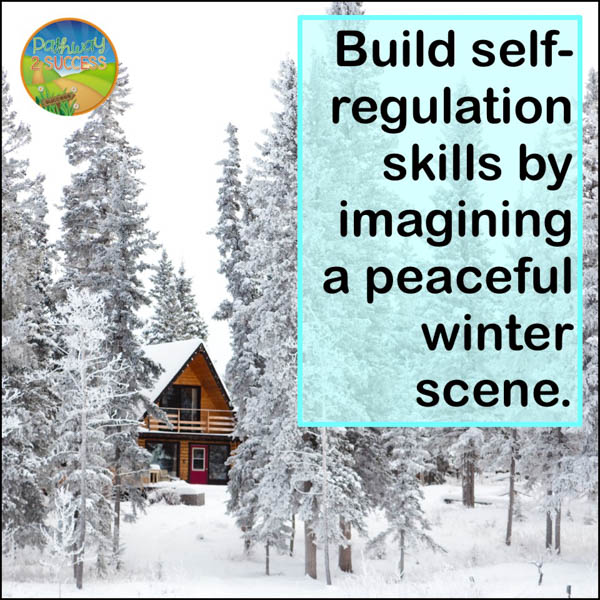
To expand imaginative capacities, winter visualization exercises guide children to close their eyes and mentally explore tranquil snow-covered landscapes. By prompting kids to mentally process the sights, sounds, and feelings of a peaceful winter scene, visualization acts as a reliable mental vehicle for shifting the body into a relaxed state.
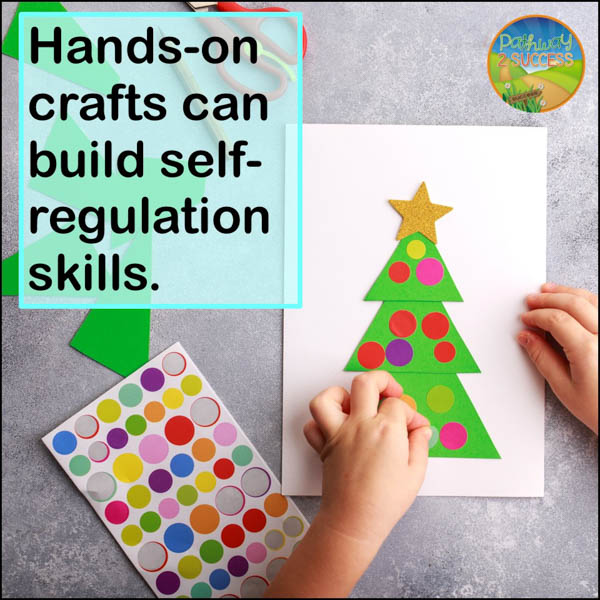
Creative expression through hands-on winter crafts engages fine motor skills while teaching frustration tolerance. Whether following structured directions or exercising total creative freedom, children learn to navigate their emotions when physical projects do not unfold precisely as planned.
Finally, auditory and movement-based activities harness the power of rhythm and play. Playing gentle, winter-themed instrumental music creates a serene backdrop for independent work and transitions, while games like winter freeze dance challenge children to practice self-control by instantly shifting between active movement and stillness upon hearing specific seasonal cues. Together, these diverse strategies provide a robust framework for helping children and teens thrive emotionally throughout the winter season.