As the winter season settles in and communities face the unique disruptions of holiday breaks, educators, parents, and youth advocates are increasingly focusing on a vital developmental capability: self-regulation. Defined as the ability to manage thoughts, feelings, and behaviors, self-regulation enables children and young adults to navigate everyday emotions, maintain focus on tasks, and foster positive social connections. While this skill is essential year-round, experts note that self-regulation strategies become critically important immediately before and after winter breaks. The combination of shifting daily routines, increased indoor confinement, and the inherent stresses of the holiday season often leaves children and teenagers needing extra emotional support.
To address these seasonal challenges, specialists emphasize that building self-regulation does not have to be a rigid or tedious chore. Instead, educators are finding success by integrating fun, engaging, and themed activities into daily environments. From mindful breathing to sensory exploration, a growing collection of strategies is helping young people build emotional resilience during the coldest months of the year.
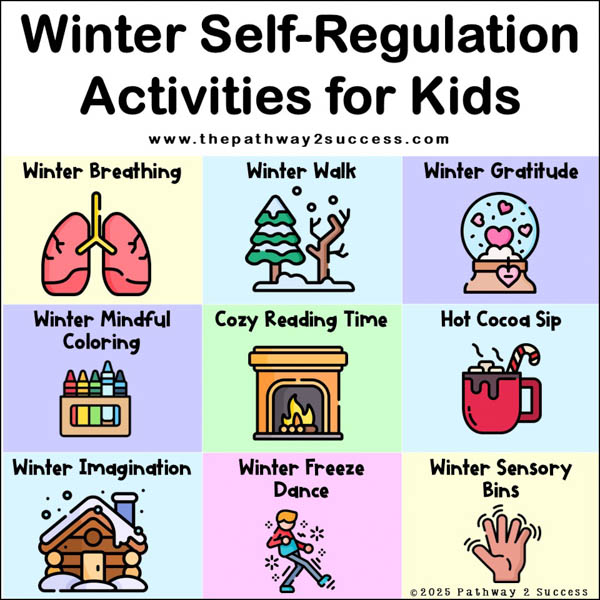
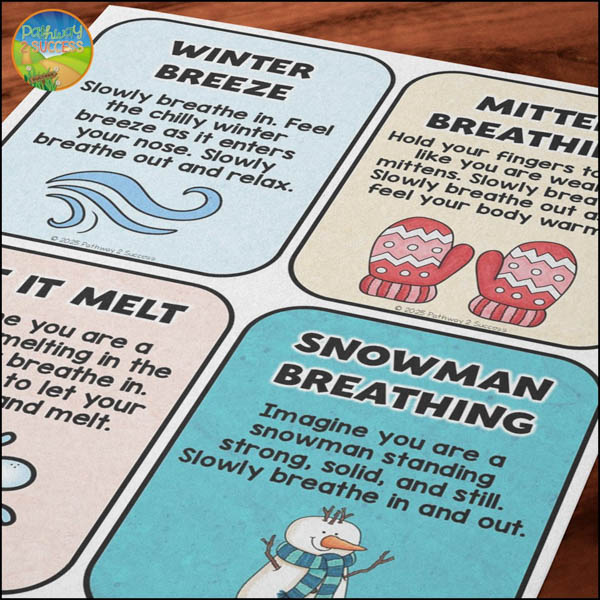
At the foundation of many emotional management programs are specialized breathing exercises. Mindful breathing encourages children to focus on their inhales and exhales, serving as a mental pause button rather than reacting immediately to impulses or sudden feelings. Educators often implement winter-themed breathing techniques to help students hit the reset button, allowing them to feel calm, relaxed, and centered. From a physiological standpoint, focusing on the breath activates the parasympathetic nervous system, the body’s natural mechanism for true rest and relaxation. Extensive research demonstrates that mindful breathing directly supports self-regulation, enhances cognitive focus, and cultivates an overall sense of tranquility.
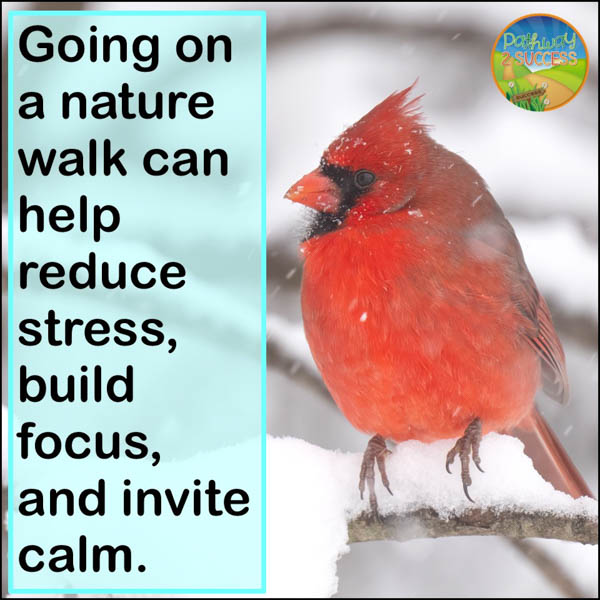
Physical movement paired with environmental awareness offers another powerful avenue for emotional stability. Outdoor nature walks, which involve exploring surroundings by actively engaging the senses of sight, touch, hearing, smell, and taste, provide a dual benefit during the winter months. After setting expectations regarding safety and respect for the environment, children bundle up to observe seasonal elements, such as a hawk soaring through the crisp air or a chilly breeze against their faces. Research consistently shows that spending time outdoors reduces stress, strengthens attention spans, and improves mood. Furthermore, these walks encourage light exercise and provide exposure to natural winter daylight, which is frequently lacking during shorter days. When outdoor exploration is not feasible, educators often substitute nature-themed brain breaks to achieve similar psychological benefits.
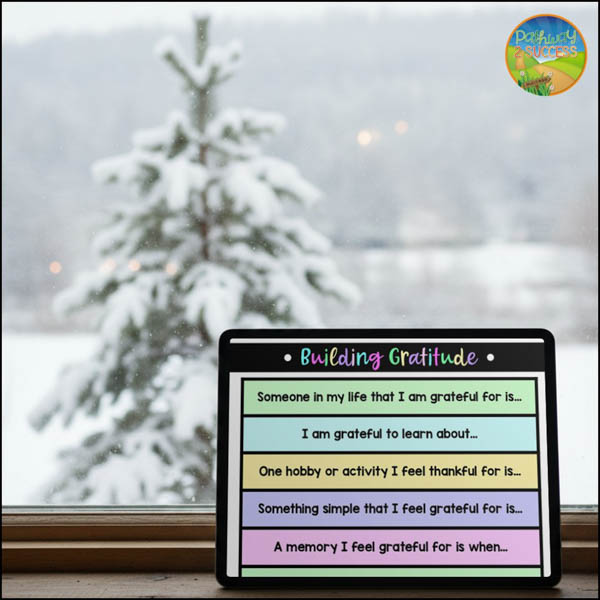
Reflecting on the season through structured gratitude exercises also plays a significant role in emotional well-being. By taking time to share what they appreciate during the winter—ranging from hot cocoa and family gatherings to the warmth of winter sunshine—children learn to reframe their perspectives. Journaling and utilizing gratitude sentence starters allow students to articulate specific positive aspects of their lives. Scientific studies indicate that practicing gratitude rewires the brain to focus on positive stimuli, leading to reduced stress, enhanced resilience, improved sleep quality, and a general elevation in mood.
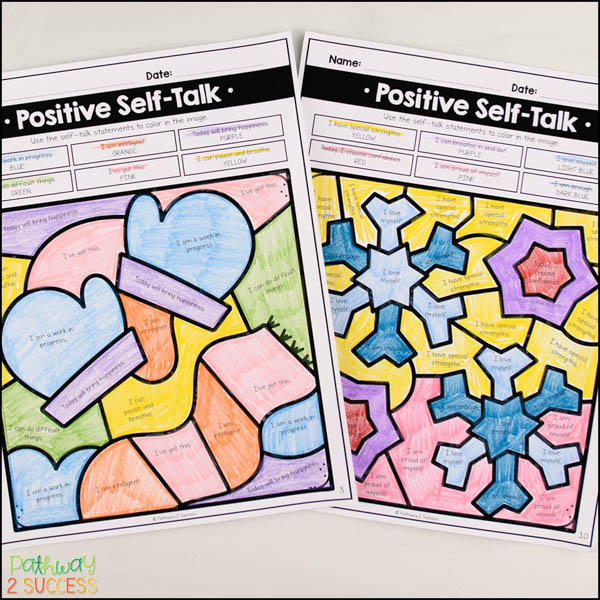
For children who process emotions better through creative outlets, mindful coloring offers a low-pressure method for relaxation. Unlike traditional meditation that demands absolute stillness, coloring winter-themed pages allows for gentle movement while encouraging participants to slow down and breathe. The objective is not to produce a flawless piece of art, but rather to unwind. Evidence-based findings suggest that mindful coloring significantly mitigates stress and anxiety, making it an ideal strategy for youngsters who struggle to remain completely still.

Similarly, quiet reading time provides a sanctuary from daily stressors. Whether through independent silent reading or a shared read-aloud session that promotes interpersonal connection and co-regulation, getting immersed in a good book helps lower stress levels and ease muscle tension. Educators often enhance the atmosphere by projecting simulated fireplaces, creating a cozy environment that fosters empathy and long-term well-being.
Hands-on tactile experiences are also proving effective, particularly through the use of winter sensory bins. Filled with safe, seasonal materials, these containers encourage mindfulness and focus through tactile play while simultaneously supporting fine motor skills and creative storytelling. In a similar vein, the simple act of sipping hot cocoa serves as mindfulness in action. By mindfully holding the warm mug, noticing its aroma, and pausing between slow sips, children engage multiple senses. This sensory engagement helps quiet the mind, while the warmth of the beverage physically relaxes muscles and signals the central nervous system to calm down.

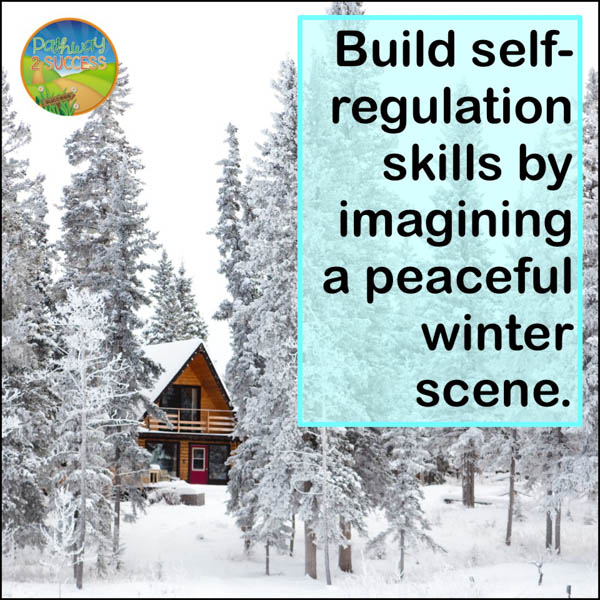
Imagination and visualization exercises further expand the toolkit available to youth. By guiding children to close their eyes and mentally explore a peaceful winter scene, adults help them practice shifting their internal states toward relaxation using sensory prompts. This mental imagery acts as a reliable mechanism for emotional decompression.

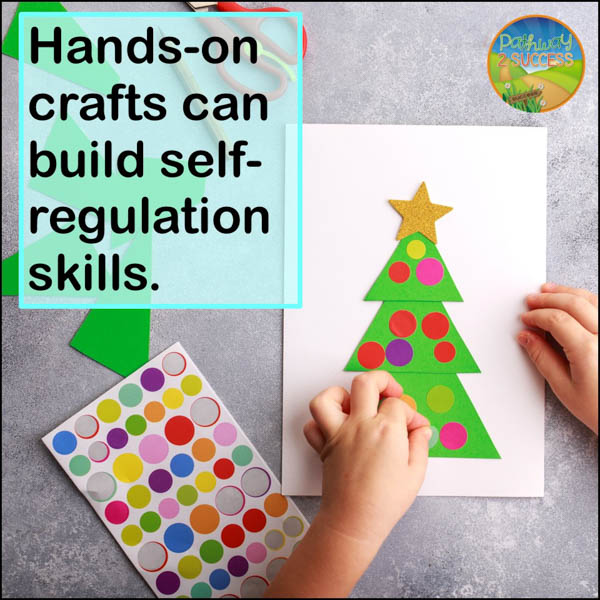
Creative arts and crafts provide yet another structured outlet for emotional management. Whether children follow direct instructions or exercise creative freedom in making winter-themed artwork, hands-on crafting engages fine motor skills and focus. The process of following multi-step creative tasks teaches young learners how to manage minor frustrations when their work does not turn out perfectly, thereby reinforcing patience and emotional control.
Auditory elements are equally influential in shaping classroom and home environments. Playing gentle, winter-themed instrumental music during transitions or independent work sessions helps trigger a natural relaxation response. When paired with playful movement games like winter freeze dance—where children exercise physical control by freezing instantly upon hearing specific seasonal vocabulary words—music becomes an active tool for building self-discipline, listening comprehension, and bodily awareness.
As communities continue to seek effective ways to support youth through seasonal transitions, these diverse, engaging strategies offer a practical framework for fostering emotional health, resilience, and balance during the winter months.