As the winter season sets in and holiday breaks approach, educators, parents, and child development specialists are increasingly focusing on a critical developmental tool: self-regulation. Defined as the ability to manage thoughts, feelings, and behaviors, self-regulation is essential for children and young adults navigating everyday emotions, maintaining focus on tasks, and connecting positively with peers. However, experts note that maintaining this balance becomes exceptionally challenging during the winter months.
The combination of shifted daily routines, extended periods of indoor confinement, and the natural anticipation or stress surrounding holiday breaks often leaves children and teenagers needing extra emotional support. To address these seasonal hurdles, schools and households are turning to structured yet engaging self-regulation activities designed to make mastering these skills both practical and enjoyable.
Self-regulation serves as a foundational pillar throughout the entire year, but the disruptions brought on by winter weather and changing schedules make proactive strategies more urgent than ever. Without adequate support, children can struggle with impulse control and emotional regulation as their usual outlets for physical energy become restricted. Recognizing this need, childhood development advocates have compiled a comprehensive approach centered on ten distinct, engaging activities tailored to the winter season. These strategies blend mindfulness, sensory exploration, physical movement, and creative arts to help young people anchor themselves amidst seasonal stressors.
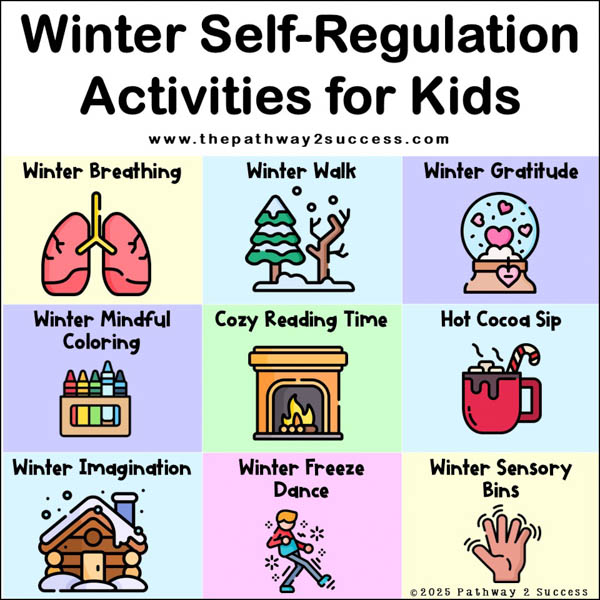
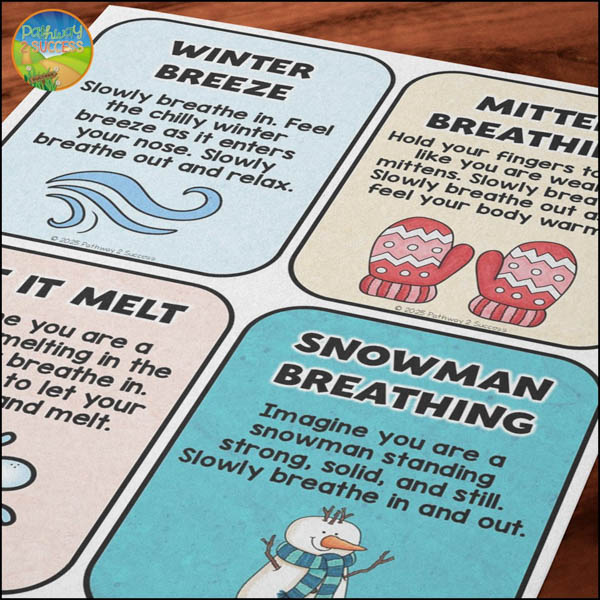
Winter Breathing and Mindful Practices
At the heart of many self-regulation frameworks are foundational breathing exercises. By focusing on intentional inhales and exhales, children can effectively activate the parasympathetic nervous system—the biological mechanism responsible for rest, relaxation, and physical recovery. Educators describe this process as hitting an internal pause button, allowing young minds to step back from immediate impulses and reactionary behaviors. Winter-themed breathing exercises transform this physiological tool into an accessible game, helping students cultivate calm, relaxation, and improved focus that they can deploy at any moment throughout the school day.
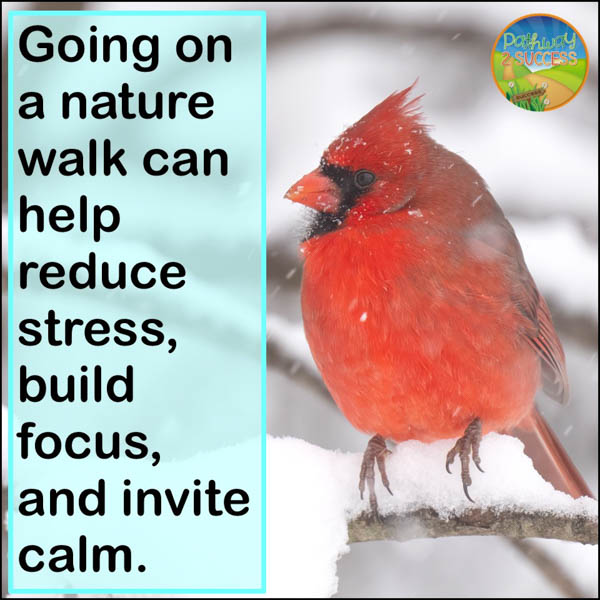
Complementing breathwork, outdoor nature walks offer a dynamic way to reduce stress and enhance attention during colder months. When properly bundled up for the weather, children are encouraged to engage all five senses by observing their immediate surroundings, from the crisp breeze against their skin to birds soaring across the winter sky. Research consistently demonstrates that spending time in natural environments improves mood and cognitive well-being. Even when outdoor excursions are impossible due to severe weather, nature-themed brain breaks provide similar psychological benefits indoors, ensuring children still reap the rewards of fresh perspective and physical movement.
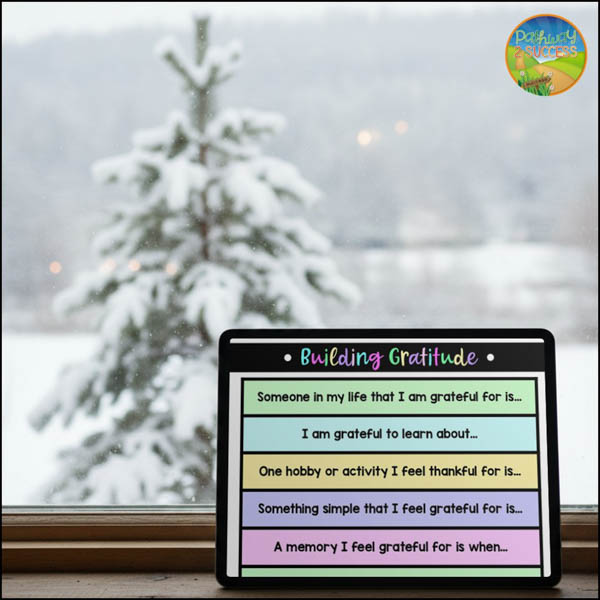
Gratitude reflection represents another powerful cognitive tool deployed during the winter season. By shifting focus toward what they appreciate—ranging from the warmth of hot cocoa to cherished family moments—children engage in cognitive reframing that rewires the brain to notice positive aspects of their environment. Scientific studies link regular gratitude practices with reduced stress, improved sleep, heightened resilience, and enhanced overall well-being. Journaling and structured discussion around gratitude allow students to process these feelings deeply, moving past surface-level observations to appreciate nuanced sensory experiences like the sudden warmth of winter sunlight.
Creative Outlets and Sensory Engagement
For children who struggle with the stillness required by traditional meditation, creative and sensory outlets offer vital alternative pathways to emotional regulation. Mindful winter coloring pages, particularly those incorporating positive self-talk phrases, provide a structured medium for relaxation. Because coloring does not demand absolute physical stillness, it serves as an effective self-regulation strategy for energetic learners who require subtle hand movement to calm their nervous systems. Similarly, cozy reading sessions—whether through silent independent reading or shared classroom read-alouds—foster deep immersion in a narrative, naturally lowering stress levels, easing muscle tension, and promoting empathy.

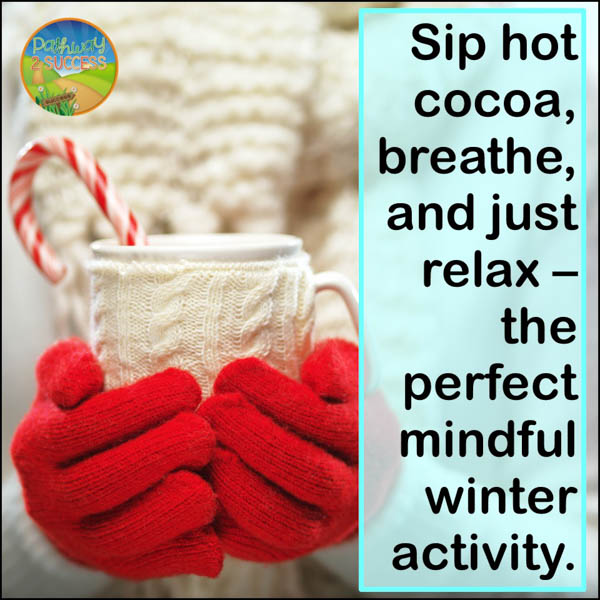
Sensory exploration takes on a tactile dimension through winter-themed sensory bins. Filled with safe, seasonally inspired materials, these hands-on containers encourage mindfulness, curiosity, and calm while simultaneously supporting the development of fine motor skills and narrative storytelling. This tactile engagement parallels the comforting ritual of a mindful hot cocoa sip. Beyond being a seasonal treat, enjoying a warm beverage becomes an exercise in mindfulness when participants consciously focus on the physical sensations, aroma, and taste, utilizing the warmth of the drink to signal the central nervous system to relax.
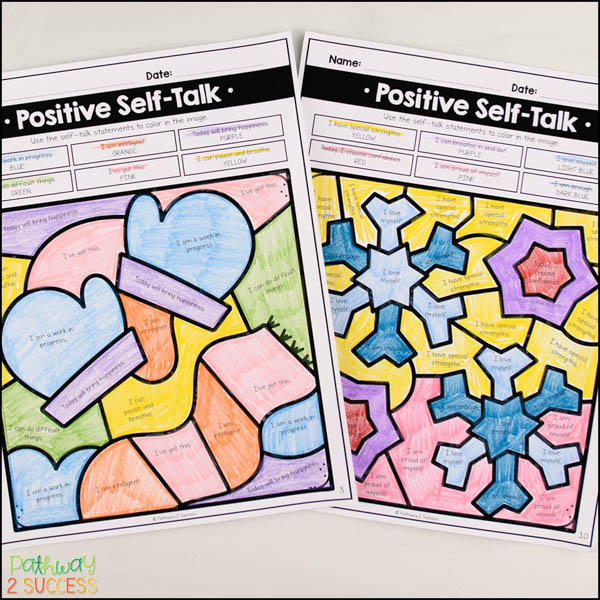
Visualization exercises further expand these calming techniques by inviting young people to close their eyes and mentally explore tranquil winter scenes. By guiding children through sensory prompts regarding what they see, hear, and feel in a peaceful snowy landscape, imagination becomes a tool for physiological self-soothing. This practice is reinforced by hands-on winter crafts, which require sustained attention, fine motor control, and emotional resilience when creative projects encounter minor setbacks.

Movement, Music, and Rhythm
Physical movement and auditory stimulation round out the comprehensive suite of winter self-regulation strategies. Playing gentle, winter-themed instrumental music in the background during transitions or independent work creates a tranquil atmosphere that triggers natural relaxation responses. Conversely, active games like the winter freeze dance harness the power of music to build dynamic self-control. By requiring children to dance freely and instantly freeze upon hearing specific winter vocabulary words, the activity trains young bodies and minds to balance high-energy movement with immediate stillness, exercising the neural pathways responsible for impulse control.
As communities continue to adapt to the unique pressures of the winter season, the integration of these diverse, engaging strategies offers a practical roadmap for supporting youth mental health. By embedding self-regulation into everyday winter routines through breathing, nature, art, and play, adults can equip children with the lifelong emotional tools they need to thrive regardless of the season.