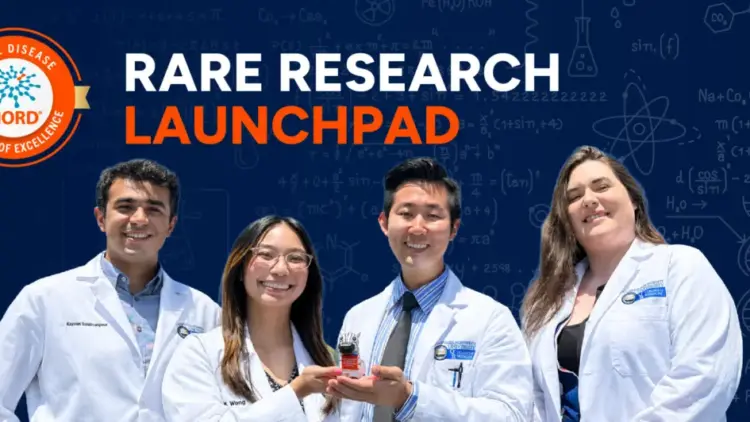
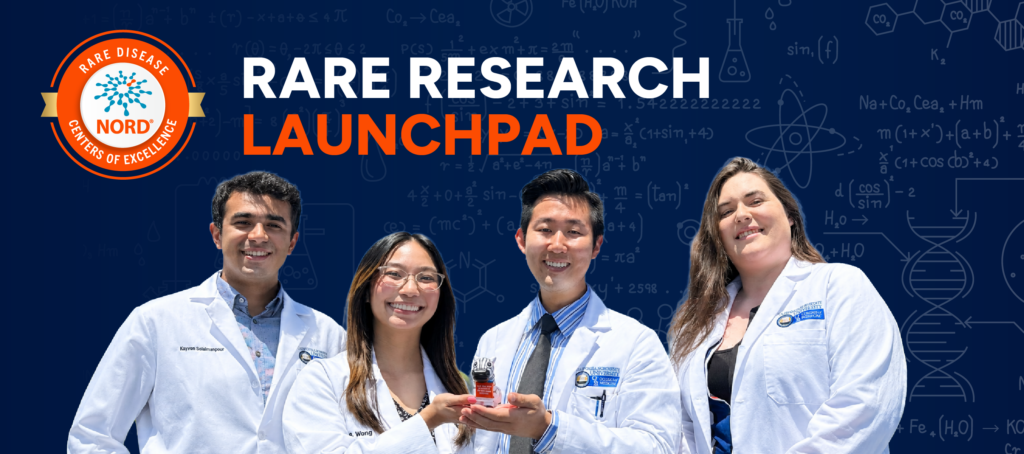
NORWELL, Mass. — In an effort to address a critical talent pipeline gap and inspire the next wave of scientific innovation, the National Organization for Rare Disorders (NORD®) and the Rosenau Family Research Foundation have officially launched the "Rare Research Launchpad: A Career Exploration Series in Rare Disease Research." Available as a free, self-paced online learning experience, the initiative is designed to introduce students, trainees, and early-career scientists to the specialized world of rare disease research and the diverse professional pathways available within the field.
The launch comes at a time when the broader medical and scientific communities are placing an increased emphasis on rare and genetic conditions. Utilizing cystic fibrosis and Krabbe disease as real-world case studies, the Rare Research Launchpad takes participants deep into the science behind rare disease investigations. The curriculum maps out how novel discoveries transition from the initial laboratory bench toward potential life-changing therapies, while simultaneously outlining the specific skills, hands-on experiences, and career trajectories required to advance the field.
Accessible immediately to aspiring scientists through NORD’s RareEDU® online learning platform, the program merges rigorous scientific education with firsthand perspectives from researchers, clinicians, and families whose lives have been directly touched by rare diseases. Program organizers emphasize that the series is purposefully tailored to reach students who possess a strong interest in science and medicine but may have previously lacked exposure to rare disease research or an awareness of the viable career opportunities it presents. Additionally, the curriculum is structured to serve as a robust supplemental educational resource for graduate students and early-career medical trainees looking to focus their professional futures on specialized biomedical research.
Developed collaboratively by NORD and expert researchers from the NORD® Rare Disease Centers of Excellence Network—and made possible through the generous funding of the Rosenau Family Research Foundation, a dedicated NORD Member Organization—the initiative seeks to bridge a foundational knowledge gap in standard academic curricula.
Rebecca Aune, MPA, Director of Education Programs at NORD, emphasized the critical timing and overarching vision of the new initiative as medical technology continues to accelerate at a rapid pace.
"As technologies used to study rare and genetic diseases and develop new therapies continue to advance, we need to prepare the next generation of scientists who will carry this work forward," said Aune. "Rare Research Launchpad gives students an early look at rare disease research and helps them understand the skills, experiences, and relationships that can lead to a career advancing science and improving the lives of millions of people with rare diseases."
The intentional selection of cystic fibrosis and Krabbe disease as the foundational case studies provides participants with distinct, highly informative lenses through which to examine the scientific challenges and breakthroughs inherent in researching rare genetic disorders. By studying these two conditions, participants are exposed to foundational principles across genetics, molecular biology, neuroscience, and biomedical research. Furthermore, the case studies demonstrate how the synergy between laboratory science, clinical expertise, and the lived experiences of patients and families collectively informs research priorities and the formulation of novel therapeutic interventions.
These two conditions also paint a clear picture of the varied milestones along the contemporary therapeutic development landscape. Cystic fibrosis represents a historical triumph of sustained scientific inquiry, having benefited from decades of dedicated research that ultimately yielded multiple Food and Drug Administration (FDA)-approved therapies, including advanced treatments that target the underlying disease mechanism. In contrast, Krabbe disease highlights the pressing, ongoing need for innovation, as there is currently no FDA-approved therapy specifically indicated to treat the condition. Together, these contrasting examples offer participants a realistic view of both the remarkable progress that rare disease research can achieve and the formidable scientific and therapeutic hurdles that remain across the broader rare disease community.
Gabriel M. Cohn, MD, MBA, Executive Director and Medical Director of the Rosenau Family Research Foundation, underscored the importance of investing in young talent to tackle the vast landscape of untreated rare conditions.
"The Rosenau Family Research Foundation is focused on advancing research that can improve the lives of people affected by Krabbe disease and cystic fibrosis," said Dr. Cohn. "Supporting NORD’s Rare Research Launchpad allows us to invest in future scientists while giving them a practical understanding of the research questions, career paths, and collaborations needed to advance treatments for the more than 10,000 known rare diseases of which only about 600 currently have an available treatment."
Designed from the ground up to be a scalable and dynamic educational model, the Rare Research Launchpad is intended to expand over time. Future phases of the initiative could introduce participants to a wider array of rare disease research topics, thereby continually broadening opportunities for student engagement, mentorship, and long-term career exploration within the biomedical sciences.
The Rare Research Launchpad is available now at learn.rarediseases.org, and participation is entirely free of charge.
About the National Organization for Rare Disorders
Established in 1983, the National Organization for Rare Disorders (NORD®) is an independent, nonpartisan 501(c)(3) nonprofit organization dedicated to identifying, treating, and curing rare disorders through programs of education, advocacy, research, and patient services. NORD represents more than 30 million Americans living with rare diseases, working in partnership with over 350 disease-specific member patient organizations and a nationwide network of 49 designated NORD Rare Disease Centers of Excellence spanning more than 170 academic medical centers, research institutions, and children’s hospitals.
About the Rosenau Family Research Foundation
The Rosenau Family Research Foundation is a private family foundation established in 2008 with a mission to improve the lives of individuals and families impacted by Krabbe disease and cystic fibrosis. Through targeted research funding, advocacy, and educational initiatives, the Foundation supports basic, translational, and clinical studies designed to accelerate the development of treatments, cures, and expanded newborn screening programs for both conditions.