QUINCY, Mass. — The National Organization for Rare Disorders (NORD®), the leading national nonprofit serving more than 30 million Americans living with rare diseases, has officially announced the recipients of its latest seed grant funding cycle. Totaling more than $145,000, this round of financial support is directed toward four highly innovative research studies focusing on critically underserved medical conditions that historically lack sufficient research investment and therapeutic options.
The grants have been awarded to researchers investigating appendix cancer and pseudomyxoma peritonei (ACPMP), epidermodysplasia verruciformis (EV), Peutz-Jeghers syndrome (PJS), and partial trisomy 6q. This vital financial backing is made possible through collaborative funding efforts involving the ACPMP Research Foundation—a NORD member patient advocacy organization—alongside dedicated patient communities representing pseudomyxoma peritonei, Peutz-Jeghers syndrome, and epidermodysplasia verruciformis, as well as Dylan’s Rare Chromosome Dream Team and the partial trisomy 6q community.
The launch of these new studies addresses a profound systemic challenge within the modern medical landscape. With fewer than 5% of the approximately 10,000 known rare diseases having an FDA-approved therapy, early-stage seed funding plays an indispensable role in unlocking scientific progress. Developing a prescription medication often requires millions of dollars and years of rigorous testing, making initial philanthropic and foundational grants essential for jump-starting urgent investigations, securing peer-reviewed publications, and building the preliminary data required to attract larger-scale investments from major entities such as the National Institutes of Health (NIH), the U.S. Food and Drug Administration (FDA), or private corporate sponsors.
Tracey Sikora, NORD Vice President of Research and Clinical Programs, expressed immense enthusiasm for the newly selected projects and the researchers behind them.
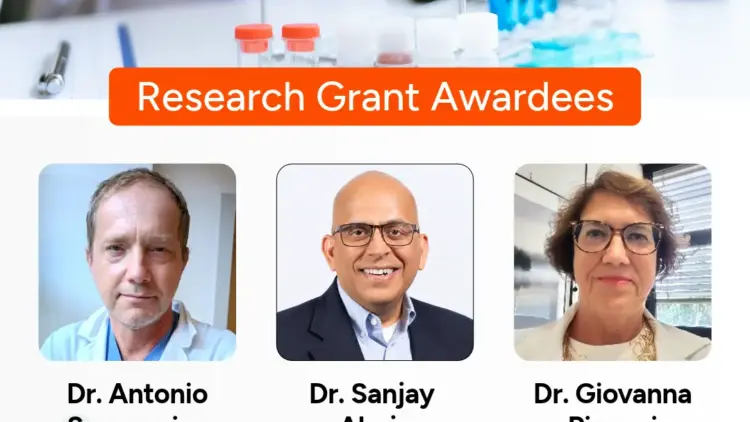
"Huge congratulations to our seed grant recipients — Drs. Sommariva, Ahuja, and Piovani! Their groundbreaking work represents a major leap forward for everyone affected by ACPMP, EV, PJS, and Partial Trisomy 6q," said Sikora. "We’re thrilled to champion innovative research that directly tackles the urgent, unmet needs of rare disease communities. We can’t wait to see how their insights will transform patient care and drive the future of rare disease research."
The awarded studies cover a diverse array of complex medical challenges, utilizing cutting-edge methodologies ranging from molecular expression analysis and advanced artificial intelligence to patient-derived stem cell modeling.
The first of the funded projects is led by Dr. Sommariva, whose study is titled “Analysis of TROP2 expression in Pseudomyxoma Peritonei (PMP).” Pseudomyxoma peritonei is a rare and challenging condition. As background to the study, medical experts note that while cytoreductive surgery associated with hyperthermic intraperitoneal chemotherapy (CRS-HIPEC) greatly improves survival and quality of life for patients affected by the condition, a significant percentage of patients cannot be treated using this method. Furthermore, systemic therapeutic opportunities remain extremely limited, consisting essentially of palliative measures.
Sommariva’s research focuses on evaluating a promising potential therapeutic target known as trophoblast cell surface antigen 2 (TROP2), for which specific agents have already been developed and approved by the FDA for other solid tumors. Preliminary results have already confirmed overexpression in PMP tumor cells. The overarching aim of the study is to expand and strengthen the initial evidence regarding TROP2, while simultaneously gaining deeper insights into its role in the pathogenesis of PMP. Establishing this foundation is a necessary prerequisite for identifying new targets for combinatory and adjuvant therapies that could eventually offer meaningful alternatives for patients with limited options.
Two of the newly announced grants have been awarded to Dr. Ahuja, whose research leverages advanced technology to tackle critical knowledge and surveillance gaps in rare dermatological and hereditary gastrointestinal conditions.
Ahuja’s first study is titled “Quantifying Malignancy and Treatment Effectiveness in EV: A Real-World Evidence Study of Surveillance Gaps.” Individuals diagnosed with epidermodysplasia verruciformis (EV) face a high lifetime risk of developing skin cancer due to specific genetic mutations combined with persistent human papillomavirus (HPV) infections. Despite this severe risk, real-world data tracking surveillance routines and treatment outcomes has remained severely limited. To overcome this hurdle, Ahuja’s project utilizes advanced, privacy-preserving artificial intelligence to securely extract critical clinical details—such as specific HPV subtypes, instances of skin cancer recurrence, and precise lesion locations—directly from unstructured dermatopathology reports. By translating this hidden information into robust real-world evidence, the project aims to quantify current surveillance gaps and help establish standardized, evidence-based care guidelines designed to improve malignancy-free survival for the EV community.
Ahuja’s second study focuses on Peutz-Jeghers syndrome (PJS) and is titled “Risk-Stratification of PJS Complications: A RWE Study on STK11 Variant Effects on Emergency Surgery and Cancer Onset.” PJS is a rare hereditary condition that carries a high lifetime risk of severe gastrointestinal complications and aggressive cancers. However, current clinical screening guidelines do not adequately account for the specific genetic mutations driving the disease in individual patients. To address this deficiency, this second project also utilizes advanced, privacy-preserving artificial intelligence to securely extract complex genetic data from medical records. By correlating specific STK11 mutations with the age of onset for emergency surgeries and malignancies, the research seeks to translate real-world data into actionable evidence. The ultimate objective is to help establish precision, variant-specific surveillance protocols that can prevent life-threatening medical emergencies and improve long-term health outcomes for individuals living with PJS.
The fourth seed grant recipient, Dr. Piovani, is leading a study titled “Partial Trisomy 6q: Clinical Characterization, Genomic Profiling, and Patient-Specific iPSC Models for Functional Disease Investigation.” This project aims to provide a much-needed foundational understanding of partial trisomy 6q, a rare chromosomal disorder about which very little is currently known. This lack of historical data often makes diagnosis and genetic counseling exceptionally challenging for affected individuals and their families. To bridge this knowledge gap, Piovani’s project will combine clinical and genomic information with patient-derived induced pluripotent stem cell (iPSC) models. These models will be used to investigate how partial trisomy 6q affects human development and to identify the underlying biological mechanisms driving the disorder. The resulting data will provide valuable resources for the broader rare disease community and lay critical groundwork for future research aimed at directly improving patient care.
These four projects reflect the core mission of NORD’s Rare Disease Research Grant Program, which has consistently provided financial support to qualified researchers since its inception. Over the decades, NORD has awarded more than $9 million in research grants to advance scientific discovery for rare conditions that lack adequate treatment and funding. The program’s historical track record includes jump-starting numerous urgent research initiatives, supporting a wealth of peer-reviewed scientific publications, and directly contributing to the successful development of two FDA-approved treatments.
Founded in 1983, the National Organization for Rare Disorders operates as an independent, nonprofit, nonpartisan organization dedicated to improving the health and lives of the more than 30 million Americans affected by rare diseases. NORD achieves its mission through a vast collaborative framework, partnering with more than 350 disease-specific member patient organizations. Additionally, the organization maintains the Rare Disease Centers of Excellence network, which spans more than 170 medical and research institutions and children’s hospitals across the country, actively advancing care, research, education, and advocacy on behalf of the entire rare disease community.