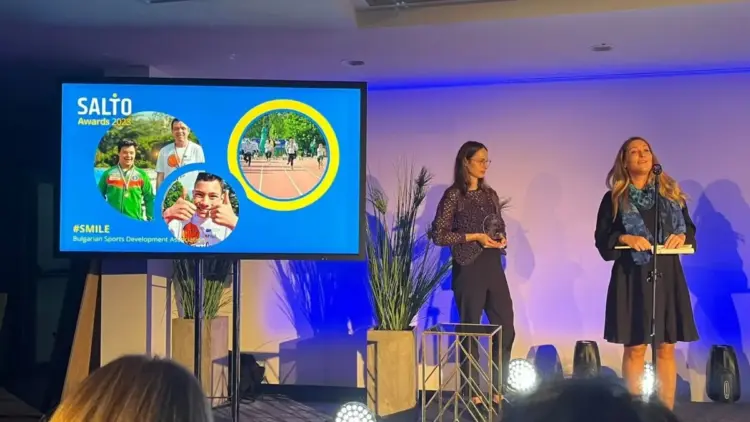
LUBLIN — On October 5, 2023, the city of Lublin, proudly serving as the European Youth Capital for the year, played host to the annual SALTO Awards ceremony. The event gathered youth leaders, project coordinators, and civic advocates from across the continent to celebrate excellence, innovation, and profound social impact within European youth initiatives. Among the distinguished attendees was Yoanna Dochevska, chairperson of the Bulgarian Sports Development Association and coordinator for the #SMILE initiative, who stepped forward to accept a major international honor on behalf of her organization and its partners.
The SALTO Awards are designed to recognize outstanding work in the youth sector, serving as a beacon of inspiration for young people, European citizens, decision-makers, and prospective candidates for major funding frameworks such as the Erasmus+ program and the European Solidarity Corps. By highlighting projects that create tangible, lasting change in communities, the awards draw public attention to the transformative power of European youth programs. The 2023 edition featured a diverse and comprehensive lineup of categories reflecting contemporary societal priorities: Digital Transformation; Environment and Climate Change Action, which was introduced as a new category this year; Inclusion and Diversity; Participation in Democratic Life; Solidarity and Volunteering; and a highly competitive Special Category focusing on Competence Development.

At the center of this year’s celebrations was the #SMILE project, an innovative international initiative co-funded by the European Union’s Erasmus+ program. The project was conceived to explore and strengthen the vital connection between sports and social inclusion, pioneering new pathways to provide international participation opportunities in sports activities specifically for individuals with intellectual disabilities. Throughout its implementation, the #SMILE project team rolled out a rich schedule of national and international activities. These efforts actively supported European identity while fostering the development of essential competencies for individuals with intellectual disabilities in Bulgaria and Croatia. These dedicated efforts culminated in a major triumph at the SALTO 2023 European Awards, where the initiative was singled out for a special award in the "Competence Development" category.
The "Competence Development" special category occupies a unique place within the SALTO Awards framework. It is dedicated to supporting lifelong learning and encouraging the deliberate development of skills and competencies by engaging a wide array of stakeholders across the fields of education and youth policies. Through this category, SALTO shines a public spotlight on the lasting impact that European youth programs have in championing continuous education. The awards jury actively searched for inspiring projects where youth participants, youth workers, organization representatives, and other community stakeholders are encouraged to reflect meaningfully on their educational journeys and personal competency growth. When evaluating the substantial pool of submissions, the selection committee placed particular emphasis on practical approaches and methodologies that robustly support learning processes and nurture the growth of both young participants and the youth workers guiding them.
Competition for the special category was fierce. Out of approximately 200 proposals submitted across all categories for the 2023 awards cycle, the committee evaluated every eligible project to identify the one that truly stood out in terms of overall quality, depth of activities, and societal impact. Following rigorous deliberations, the #SMILE project emerged as the unanimous choice of the jury.
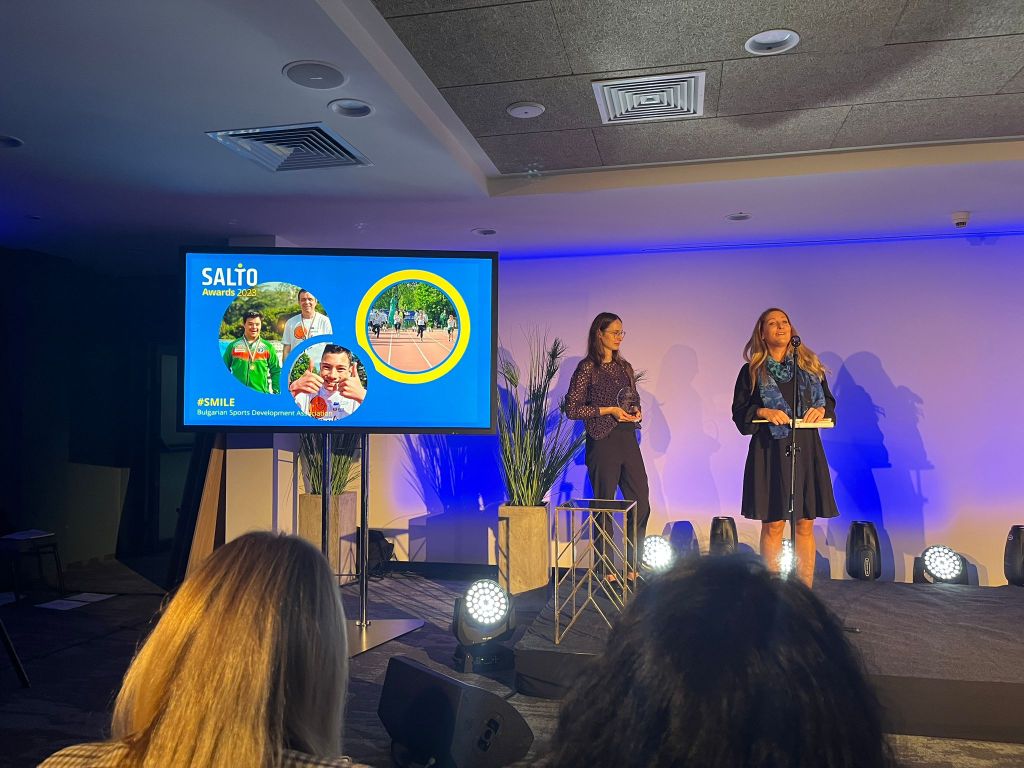
Dick Smit, the chairman of the jury for the Competence Development category, elaborated on the committee’s decision during the announcement. He explained that the #SMILE project was selected unanimously because it represents one of the rare initiatives in Europe that actively involves individuals with intellectual disabilities in international mobility while providing them with a concrete, supportive platform for genuine social inclusion and ongoing competency development.
The philosophy and execution of #SMILE align seamlessly with the horizontal objectives of the Erasmus+ program, which provides co-funding for the initiative. A foundational priority of Erasmus+ is ensuring robust inclusion and diversity across all areas of education, training, youth, and sports. This principle forms the very core of the #SMILE project: securing meaningful participation in international activities for individuals who frequently face barriers and have fewer opportunities in mainstream society. Furthermore, the initiative strongly supports the broader European priority of promoting participation in sports and physical activity. Every single activity implemented under the umbrella of the SMILE project has been carefully designed to foster the sustainable inclusion of individuals with intellectual disabilities in athletic pursuits at local, national, and international levels.
The success of the initiative is driven by a committed partnership between specialized organizations dedicated to expanding horizons for people with disabilities. The #SMILE project is jointly executed by the Bulgarian Sports Development Association and the Rijeka Sport Association for People with Disabilities, both of which have established strong track records in opening doors for the inclusion of individuals with disabilities in their respective countries, Bulgaria and Croatia.
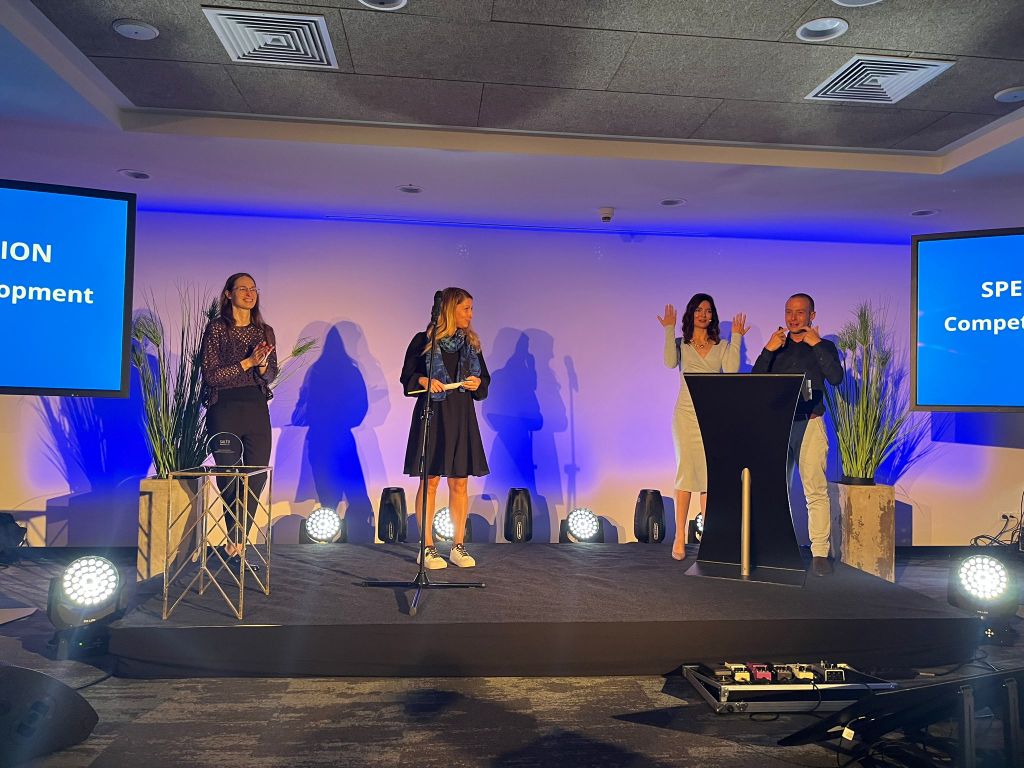
As the recognition in Lublin highlights, the impact of #SMILE extends far beyond individual sports events, contributing to a broader cultural shift toward accessibility, empowerment, and lifelong learning across Europe. Detailed information regarding the ongoing work, future initiatives, and core mission of the #SMILE project remains publicly accessible through the initiative’s official website at www.inclusivesport.org, offering resources and insights for educators, youth workers, and communities seeking to foster similar models of inclusive sport.