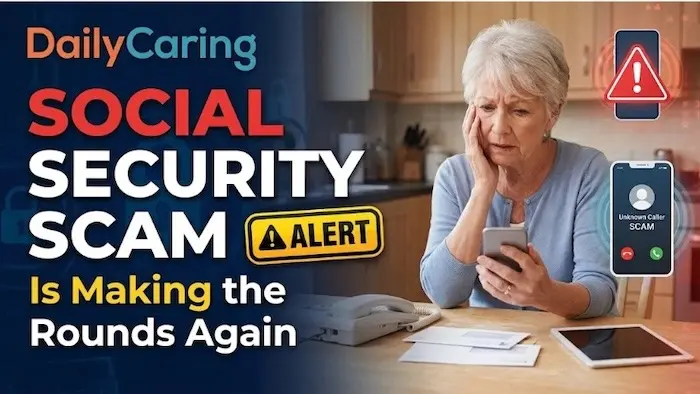
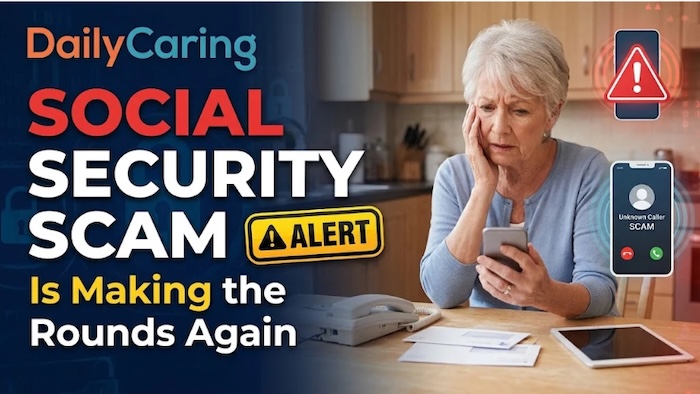
As family caregivers know well, managing the daily affairs of an older adult means staying constantly vigilant against a shifting landscape of medical schedules, routine care, and financial management. In recent months, however, internet fraudsters have introduced a particularly deceptive twist to ongoing government imposter scams, targeting seniors and their caregivers with sophisticated, fraudulent Social Security statement notifications delivered directly to their email inboxes.
Because a large number of older adults routinely monitor their retirement benefits, financial adjustments, or annual cost-of-living updates online, receiving an official-looking alert stating that an updated statement is ready can easily feel like a standard, routine administrative notice. Unfortunately, security officials warn that interacting with these fraudulent messages by clicking embedded links or downloading attachments can expose vulnerable individuals to identity theft and severely compromised financial accounts.
How the Fraudulent Social Security Statement Scheme Operates
The deceptive scheme typically begins with an unsolicited email sent to a recipient’s inbox, claiming that their loved one’s latest Social Security statement is now available for download. Cybercriminals routinely copy official government logos, agency typography, and standard layout designs to ensure the message appears indistinguishable from legitimate official communications. The emails are intentionally crafted to create a sense of urgency, pressuring recipients to click an embedded web link or open an attached document.
According to formal warnings issued by the Social Security Administration Office of the Inspector General, clicking these malicious links redirects victims to counterfeit landing pages designed to mimic official government portals. Once on these fraudulent sites, unsuspecting seniors are prompted to sign in, allowing scammers to harvest sensitive personal data, including Social Security numbers, login credentials, and detailed banking information.
In other variations of the campaign, opening the attached file installs malicious software directly onto the user’s device, granting unauthorized actors backdoor access to personal files and private information stored on the computer or smartphone.
Comparing Legitimate Agency Communications With Phishing Tactics
Security experts emphasize that recognizing the distinct differences between genuine correspondence from the Social Security Administration and fraudulent phishing messages is critical for protecting fixed retirement incomes.
Legitimate emails originating from the agency strictly use web addresses ending in the official .gov domain. In contrast, phishing scams frequently rely on free public webmail services or spoofed domains designed to casually resemble official government addresses. Furthermore, legitimate agency communications never include direct links to document downloads. Instead, official notices serve as neutral courtesy alerts informing recipients that a new message is waiting inside their secure portal message center.
Another major differentiator involves the tone of the message and the nature of data requests. While phishing attempts often manufacture artificial urgency by threatening benefit freezes or payment delays unless immediate action is taken, real agency communications maintain a neutral tone and never ask individuals to provide Social Security numbers, banking details, or passwords via email.
Identifying Key Warning Signs in Suspicious Emails
Caregivers can successfully identify fraudulent communications by carefully examining specific inconsistencies within message headers and wording, even when official logos and seals appear authentic.
A primary indicator of fraud is the sender’s web domain. Because all legitimate correspondence from the federal agency originates from a web address ending in .gov, any sender address utilizing public email extensions or unusual spelling variations serves as an immediate red flag.
Additionally, scammers frequently utilize embedded hyperlinks designed to bypass the primary portal authentication process. The federal agency never distributes direct links that route users straight to a document download screen. Real courtesy notifications simply inform account holders that an update awaits them inside their secure portal message center and instruct them to navigate to the website independently.
Finally, fraudulent messages often rely on high-pressure tactics, falsely claiming that retirement benefits will be immediately interrupted, frozen, or delayed unless the recipient verifies personal details on the spot. Federal authorities reiterate that the government never suspends benefits simply because an individual failed to interact with an email notification.
Safeguarding Benefits Through Safe Browsing Habits
Cybersecurity specialists recommend adopting strict browsing habits to keep older adults informed about their benefits while entirely avoiding phishing risks.
The most effective defense is a simple practice known as typing the address rather than tapping links. Instead of interacting with links embedded within unexpected emails, individuals should open a clean browser window and manually navigate to the official online portal. From there, account holders can safely log into their secure dashboards to view official benefit statements, examine earnings histories, and review messages within the secure portal center.

For families where caregivers assist older loved ones with administrative duties, taking a few moments to review spam filters, bookmark legitimate agency web portals, and establish a clear family rule regarding unexpected financial emails can provide a vital layer of security. Experts advise establishing an open dialogue ensuring that loved ones feel comfortable pausing and verifying messages before taking any digital action.
Response Measures Following Accidental Exposure
If an older adult or their caregiver inadvertently clicks a suspicious link, downloads an attached file, or enters sensitive information into a counterfeit form, taking swift corrective action can help mitigate the risk of identity theft and financial loss.
Security professionals advise taking immediate protective steps, beginning with securing compromised accounts, updating passwords, and notifying financial institutions if banking details were exposed. Reporting fraudulent activity to the appropriate oversight bodies also assists authorities in tracking emerging cyber threat campaigns targeting vulnerable populations.
Navigating the daily responsibilities of caregiving presents ongoing challenges without the added stress of digital traps infiltrating personal inboxes. Because aging adults rely heavily on fixed retirement incomes, unexpected benefit notifications naturally provoke concern, making deceptive statement notices particularly effective tools for bad actors.
By establishing straightforward digital routines—such as refusing to click links within unexpected messages and always navigating directly to official government portals—families can neutralize the primary tactics relied upon by fraudsters, preserving both their financial security and their peace of mind.