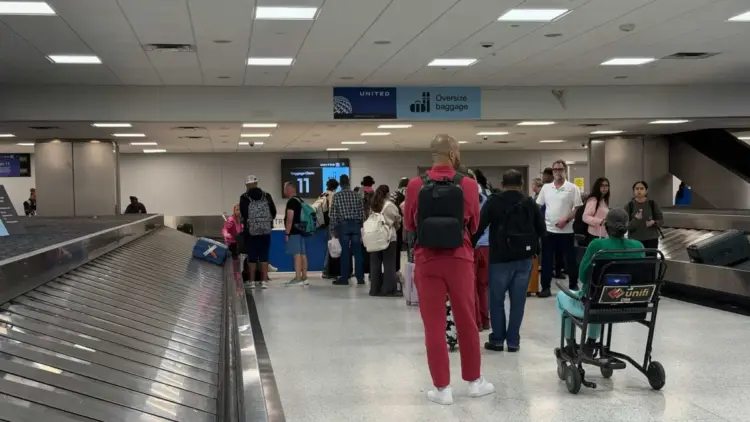
For millions of travelers, commercial aviation is a routine convenience, but for wheelchair users, boarding a commercial aircraft often carries an unacceptable and persistent risk. Specialized mobility devices are not merely luggage; they are essential extensions of a traveler’s body, independence, and autonomy. Yet, the physical toll that commercial airlines inflict on these vital devices continues to create immense challenges for disabled passengers.
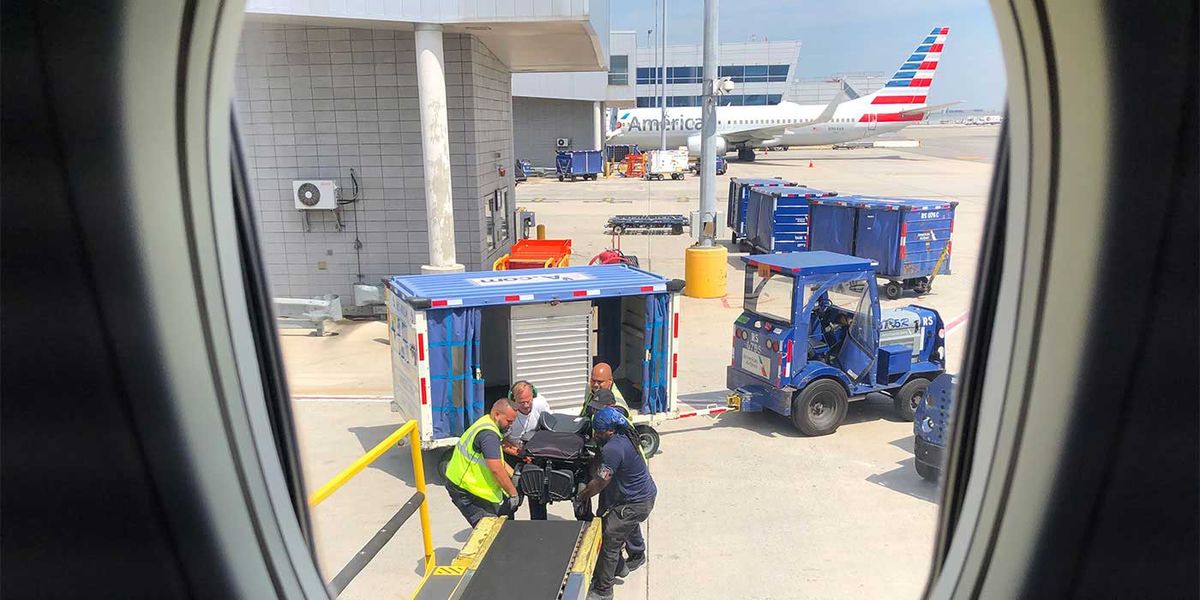
Early this year, a familiar and frustrating scenario unfolded on an American Airlines flight. Rather than utilizing a specialized wheelchair lift designed for safe transport, baggage handlers chose to physically lift the heavy power wheelchair directly from the belt loader. The outcome of this shortcut was entirely predictable. Weighing in at approximately 400 pounds, the device proved far too heavy for the handlers to manage safely. Mid-transfer, the wheelchair slipped and dropped awkwardly onto the tarmac pavement below, absorbing a heavy impact that immediately signaled trouble to anyone watching.
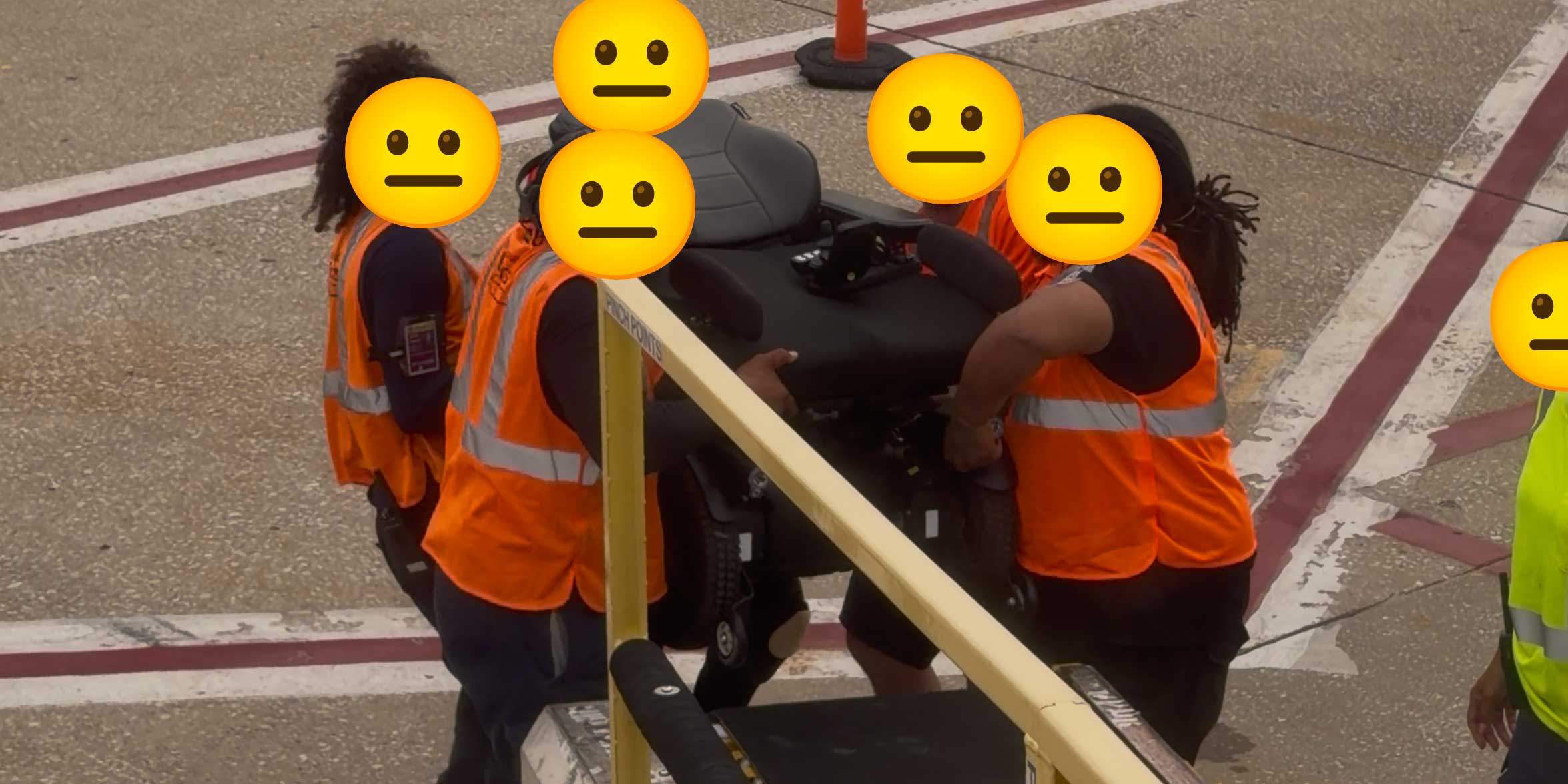
Observing the careless drop from the airplane window overhead, the passenger immediately suspected structural frame damage. While the full extent of the harm could not be determined visually from a distance, the initial assessment revealed immediate surface issues. In the formal wheelchair damage claim filed following the flight, the traveler reported the visible and audible evidence: a broken piece of plastic trim, a bent headlight, and, most concerningly, an unusual grinding noise emanating directly from the drive wheel. Visually, the sophisticated chair appeared largely intact on the surface, but in the realm of complex motorized mobility equipment, superficial appearances can be entirely deceiving.
The Illusion of Repair: When Local Technicians Miss the Real Damage
Following the initial claim, a conventional wheelchair repair technician was dispatched to the traveler’s home to diagnose and resolve the issue. Upon initial inspection, the technician attributed the strange mechanical sounds to a bent drive wheel. A replacement part was ordered, and several weeks later, the new wheel was installed. Yet, to the owner’s dismay, the persistent noise remained unchanged.

A subsequent technician was sent out to take a second look, concluding this time that the underlying problem stemmed from a damaged motor. Once again, a replacement component was ordered, shipped, and installed weeks later. True to form, the persistent noise carried on, ignoring the new hardware entirely.
Before this mechanical puzzle could be solved, the wheelchair suffered further abuse—this time, twice over during subsequent journeys handled by United Airlines. On these occasions, the chair was dropped with even greater force. The cumulative impact bent an armrest, tore a seat cushion, and introduced an even louder, more disruptive mechanical noise emanating directly from the undercarriage of the device.
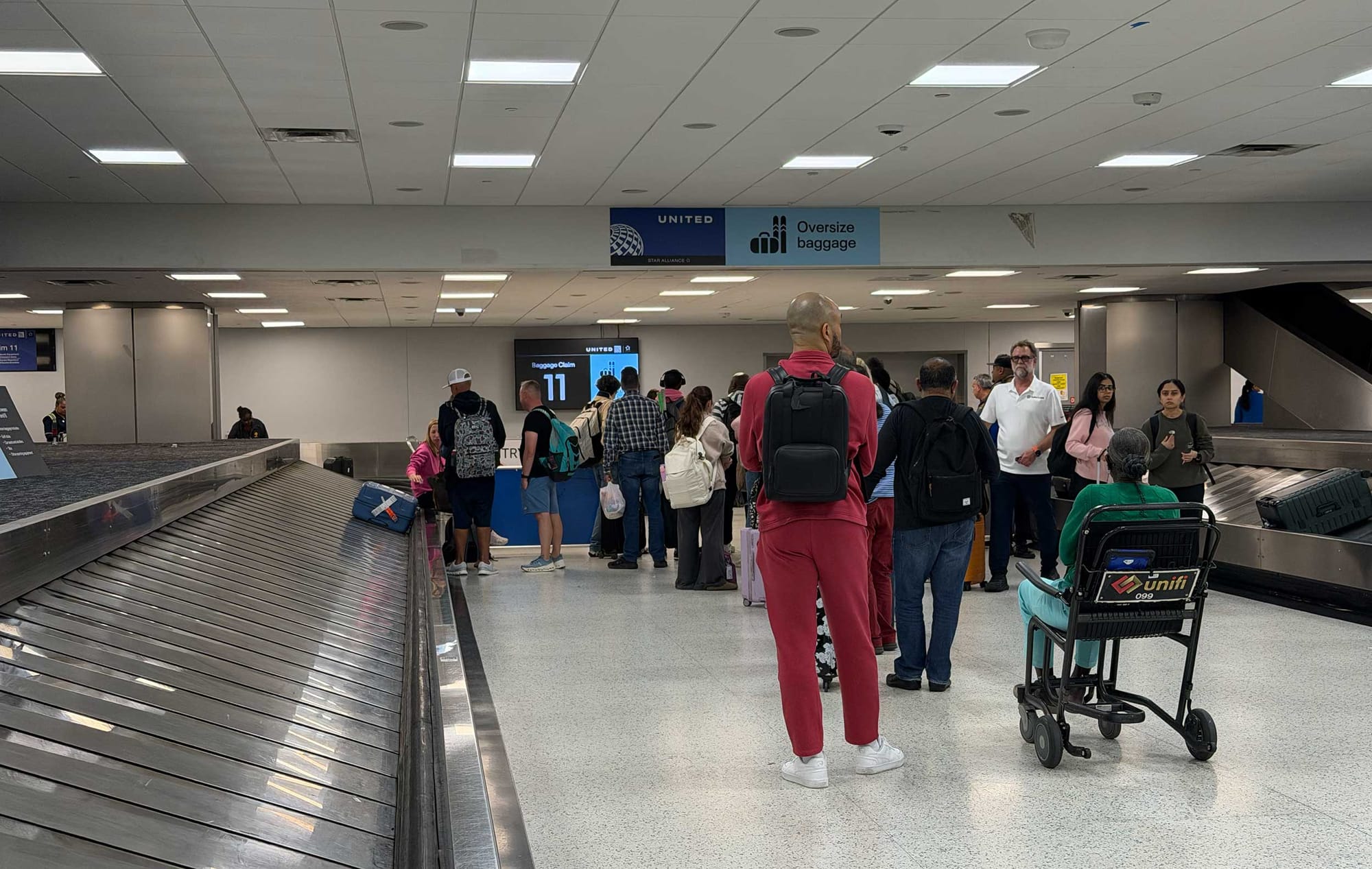
This kicked off a frustrating revolving door of wheelchair repair appointments at the passenger’s home. A series of different technicians cycled through the residence, replacing motors, wheels, casters, and shock absorbers in a well-intentioned but misguided effort to restore the equipment. Despite these extensive component swaps, the core noise never vanished.
The process left the owner entirely exhausted. More than ten separate repair appointments had consumed hours of valuable personal time to absolutely no avail. At the point of giving up, the traveler made one final, desperate effort to seek a definitive answer by requesting that the original equipment manufacturer evaluate the wheelchair directly.

The Manufacturer’s Verdict and the Limits of Routine Service
When a representative from Permobil—an expert deeply familiar with the exact engineering and structural integrity of the equipment—finally examined the wheelchair, the true nature of the damage came to light. The manufacturer’s expert determined definitively that the wheelchair’s frame had indeed suffered structural compromise during the drops.
The expert delivered a sobering assessment: once a motorized wheelchair of this caliber has been dropped or structurally compromised, the manufacturer can no longer certify that the device is safe for continued use.
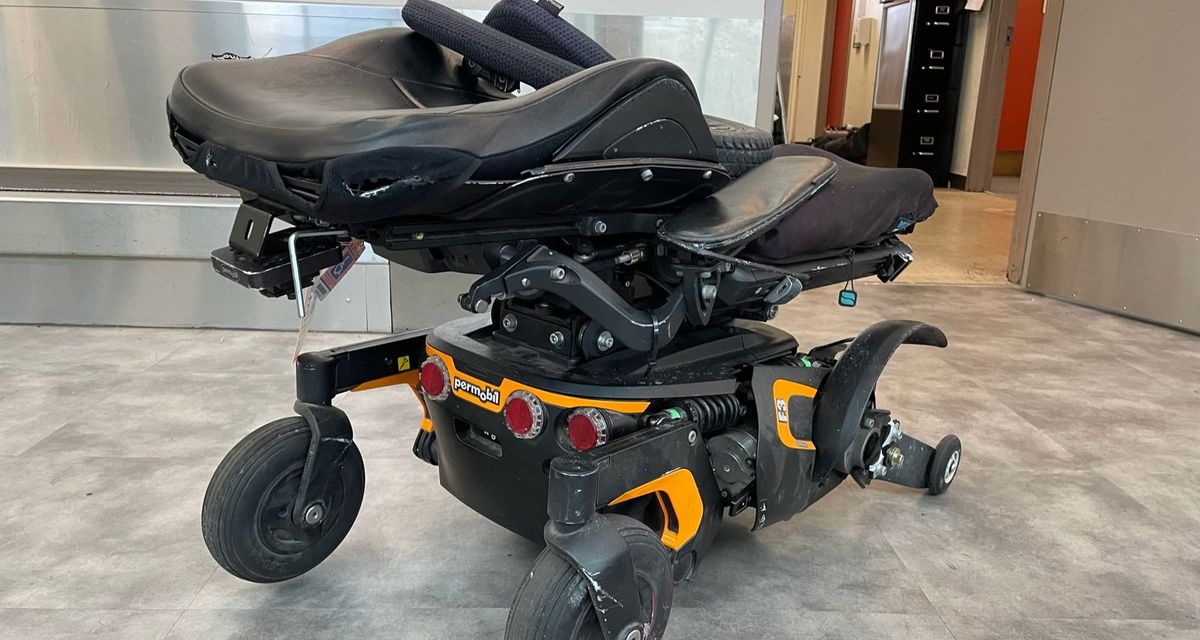
Those critical words triggered a breakthrough with the carrier. United Airlines ultimately approved a replacement wheelchair, leading the traveler to reflect on a grim milestone. With this replacement, the passenger had achieved the dubious distinction of having a power chair completely destroyed and subsequently replaced by each of the major three U.S. carriers—once by Delta Air Lines, multiple times by American Airlines, and now by United.
The root of the diagnostic failure lies in a fundamental mismatch between standard repair practices and the unique realities of air travel. Local wheelchair repair technicians possess immense expertise in routine maintenance, spending their days changing worn tires, installing fresh batteries, and swapping out failed electronic parts. However, these professionals deal almost exclusively with equipment utilized in homes and local community environments—devices that never encounter the brutal loading environments of commercial aviation. They do not see equipment loaded onto more than a hundred flights every single year.
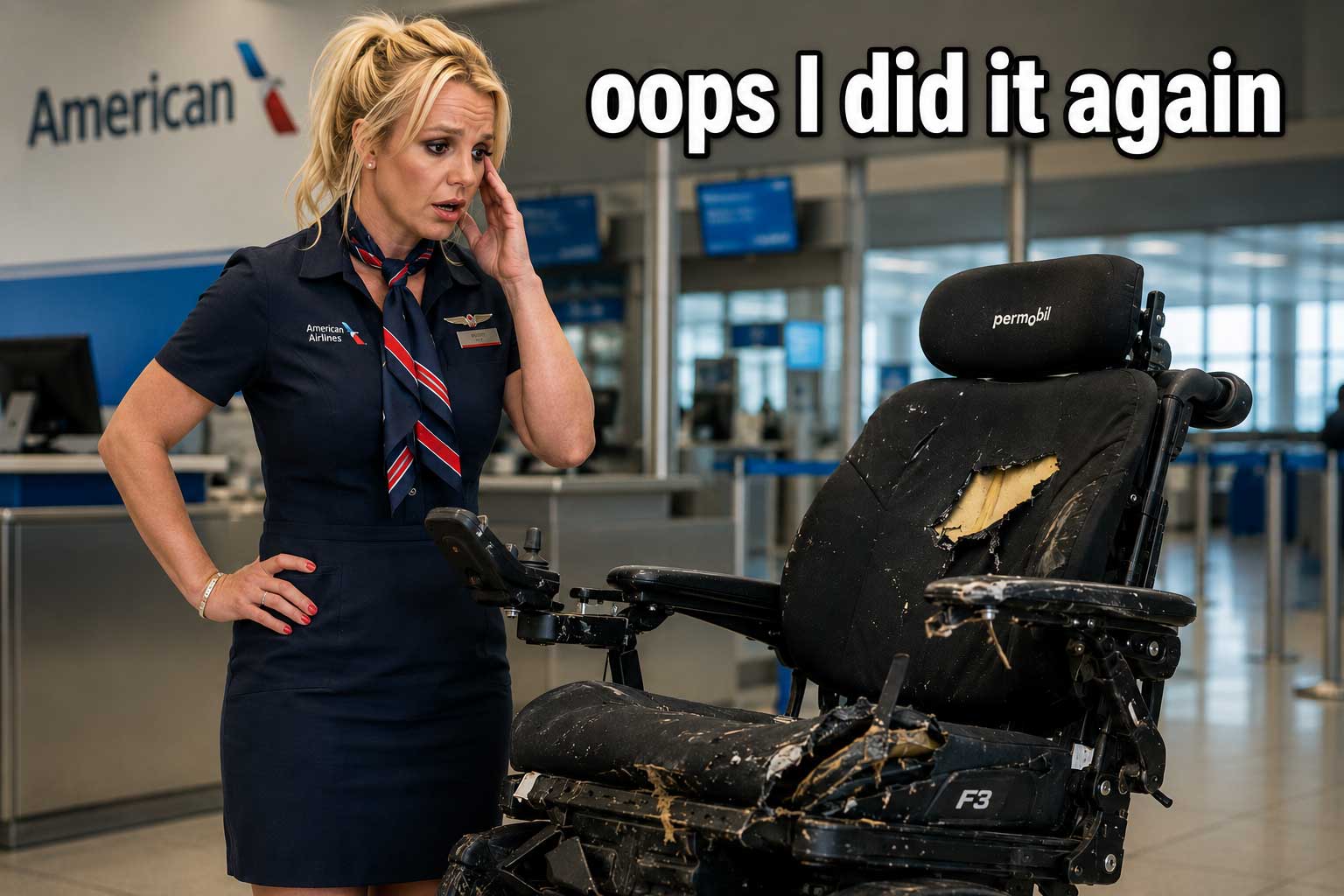
When these local technicians responded to the damage claims, they heard a mechanical noise and applied standard troubleshooting techniques. While their approach seemed reasonable on the surface, the structural damage inflicted by the airlines was inherently unrepairable. Their repeated repair attempts were ultimately exercises in absolute futility because they were treating symptoms of a compromised frame rather than addressing the structural failure itself.
A Unique Kind of Destruction and an Immediate Resurgence of Trouble
The reality remains that commercial airlines subject wheelchairs to forms of trauma that would be entirely impossible in normal domestic settings. The traveler’s 400-pound power chair has never been lifted off its wheels anywhere outside the harsh custody of commercial carriers, and it has certainly never experienced a drop onto concrete pavement at home. Moving forward, the traveler intends to bypass local technicians entirely upon the first sign of transit-related trauma, calling instead upon manufacturer representatives who are uniquely qualified to identify deep, irreparable frame damage right from the start.

However, the relief of receiving a new device proved short-lived. The replacement wheelchair was successfully delivered, and a week later, it embarked on its maiden journey—a routine round-trip voyage from St. Louis to Dallas aboard an American Airlines flight.
The outbound leg of the journey proceeded without incident, offering a brief glimmer of hope. But on the return flight, the brand-new wheelchair was mishandled yet again. While the full extent of the fresh harm remains difficult to gauge externally, the consequences are already echoing through the equipment. Loud, persistent squeaking noises are now emanating directly from the seating system and the central pillar.
As the traveler prepares to document the damage, file new claims, and navigate the familiar bureaucratic hurdles once more, the persistent vulnerability of accessible air travel remains a glaring reminder of the hurdles disabled passengers continue to face every time they board an airplane.