As the national disability voting movement REV UP celebrates a decade of impact, advocates and organizers across the country are reflecting on the grassroots origins that transformed political participation for people with disabilities. Founded in Texas in 2016 by a dedicated collective of local activists, REV UP—an acronym standing for "Register, Educate, Vote, Use your Power!"—has grown from a regional initiative into a powerful national force. In honor of its ten-year milestone, civil rights organizations are spotlighting the pioneering leaders whose lifelong work built the foundation of the movement, honoring figures whose vision reshaped how American democracy engages disabled citizens.
Before There Was a Movement
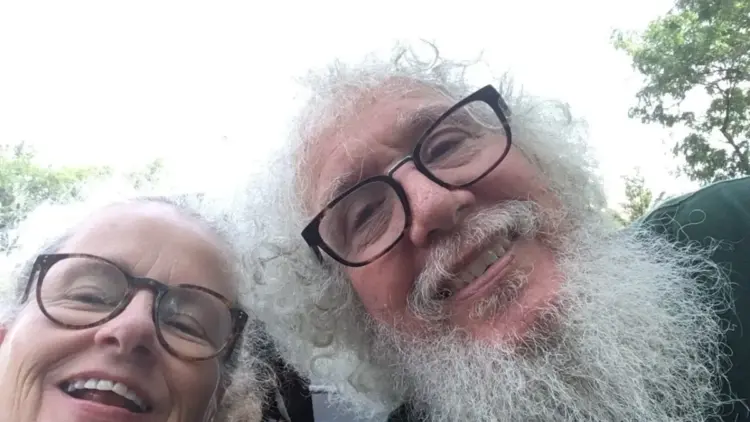
Long before REV UP expanded into a recognized national coalition, the late Bob Kafka and his wife, Stephanie Thomas, were tireless grassroots organizers in Texas who fiercely believed in the political power of people with disabilities. Operating from a deep conviction that an accessible democracy required the active participation of marginalized communities, Kafka and Thomas spent decades building coalitions and fostering solidarity among disabled individuals throughout the Lone Star State.
Kafka ultimately founded and co-led the very first REV UP coalition in Texas before partnering with the American Association of People with Disabilities (AAPD) to scale the initiative nationwide. Thomas stood right alongside him as a powerful collaborator, activist, and visionary in her own right. Together, the pair did more than merely demand systemic change; they actively worked to empower individual voters at the ballot box, instilling confidence in a population long ignored by mainstream political campaigns.
Thomas’s own journey into the world of advocacy began during her college years. Alongside fellow disabled students, she organized demonstrations to push for greater campus accessibility, recognizing that a broader cultural shift was underway across the United States. Reflecting on that pivotal era, Thomas noted that the demand for societal transformation was palpable everywhere. She recalled feeling that the time for change had arrived, noting that the momentum of the anti-war movement, the women’s rights movement, and the civil rights movement had created an environment where everyone was talking about fundamental change.
When Thomas and Kafka eventually met in Texas, they were living on opposite sides of the vast state. As Thomas frequently observed with a touch of humor, looking at the immense size of Texas meant they lived quite far apart, leading them to decide to meet squarely in the middle. They eventually moved to El Paso together, seamlessly intertwining their personal lives with a shared commitment to civil rights and community organizing.
While living in El Paso, Thomas received an impactful piece of direct mail from ADAPT, a prominent national grassroots disability rights organization. The brochure featured a striking satirical image of a municipal bus being flushed down a toilet bowl, accompanied by a bold slogan that asked, "Are you sick of not being able to ride the bus?" and urged readers, "Don’t flush, organize!"
This clever blend of political art, satire, and direct-action activism instantly resonated with both Thomas and Kafka. The piece inspired them to plug directly into the fierce community of ADAPT changemakers operating across the region. Describing the experience, Thomas recalled the electric atmosphere of the group, noting the magical feeling of discovering a cohesive community deeply serious about enacting change. With ideas flying constantly, she immediately fell in love with the organization, paving the way for years of collaborative activism alongside Kafka.
REVing UP from Local to National
For years, Kafka and Thomas brainstormed ways to broaden the scope and impact of their advocacy efforts. As Kafka began exploring new avenues to influence elected officials and hold legislative bodies accountable, voting emerged as an exceptionally powerful vehicle for sustainable change. However, translating that vision into reality required confronting a glaring oversight within the political establishment.
People with disabilities were simply not viewed as a distinct voting bloc, Thomas explained, noting that they were rarely recognized as political constituents at all. That invisibility is precisely what prompted Kafka to launch REV UP Texas, driven by a firm belief that the disenfranchisement of disabled voters was a critical issue affecting the entire nation. In Austin and surrounding communities, Kafka focused his early outreach efforts on helping individuals recognize both the intrinsic value of their vote and the collective power of organized collaboration.
To activate this ambitious vision, Kafka and Thomas joined forces with Bill Emery, a longtime friend and fellow activist, to launch an ambitious voter outreach campaign. Seeking a direct line to potential voters, they requested a public record from the Texas Attorney General’s office containing the names of individuals who utilized paratransit services. By meticulously cross-referencing that list with official voter registration records, the organizers successfully compiled phone numbers and initiated a statewide robocall campaign encouraging disabled Texans to participate in the upcoming elections.
Although Thomas initially harbored reservations about the method, recalling her dislike of automated calls and her surprise at Kafka’s strategy, the initiative proved remarkably effective. The calls reached disabled citizens across the entire state, delivering a clear and encouraging message to make their voices heard at the polls.
As is frequently the case with grassroots activism, the initiative quickly generated a wave of unexpected logistical challenges. To comply with regulatory standards, the robocalls required a callback number where recipients could request additional information or voice their grievances. Kafka listed his own personal phone number as the primary contact point.
Over the course of a single weekend, that decision resulted in a barrage of calls from frustrated and confused individuals. Thomas recalled spending hours talking through the concerns with callers. Once constituents realized that the calls were not affiliated with a specific political candidate, but were simply an independent push encouraging them to exercise their civic duty, the vast majority of callers quickly calmed down.
These unexpected, prolonged conversations ultimately transformed potential friction points into meaningful engagement opportunities, allowing disabled voters to share their personal stories and ask questions about the electoral process. Thomas noted that when callers realized the organizers genuinely wanted to listen to their experiences, it sparked real excitement and played a vital role in motivating people to head to the polls.
Seeking to scale these grassroots successes beyond state borders, Kafka collaborated closely with AAPD to assist communities nationwide in establishing their own independent REV UP coalitions. Through this painstaking organizational work, he helped construct a durable national movement designed to empower the disability vote from the local level up to the federal stage. Thomas recalled that Kafka took immense pride in watching so many diverse communities embrace the cause and run with it.
Pitchfork Approach to Advocacy
To conceptualize effective systemic reform, Kafka developed what he termed the "pitchfork approach" to advocacy—a comprehensive, multi-pronged framework designed to drive social change through diverse tactical avenues. The strategy encompassed five core pillars: media and education, legal action, direct action, political engagement, and system-level administrative work.
Kafka integrated this sophisticated strategic thinking directly into the core philosophy of REV UP. He maintained that advocates should not merely focus on registering, educating, and mobilizing disabled voters, but should also apply sustained pressure on elected officials to ensure accountability on issues impacting the disability community.
At the very center of Kafka’s advocacy philosophy was an unwavering belief in the collective strength of disabled people. He consistently argued that the collective voice of the disability community could and should be vastly louder, stronger, and more influential than it historically had been, urging individuals to remain informed and actively involved so they could demand responsive representation from their elected leaders.
Organizers Working Together – Thomas and Kafka
Collaboration served as the bedrock of the advocacy work carried out by Kafka and Thomas throughout their lives. Drawing heavily from his foundational experience with the Coalition for Barrier-Free Living, Kafka deeply understood the tangible difference disabled individuals could achieve by uniting behind shared goals. Thomas similarly emphasized the vital importance of cultivating robust local coalitions, observing that many of the most consequential decisions and elections directly shaping everyday life occur at the municipal and county levels.
Both Thomas and Kafka expressed immense pride in watching local REV UP coalitions flourish and seeing grassroots organizers maintain active engagement within their home communities. Thomas noted that AAPD’s decision to embrace REV UP and provide it with a national platform meant a great deal to Kafka, cementing a legacy of empowerment that transcended state lines.
As the REV UP movement looks forward to its next decade of growth, Thomas believes Kafka would encourage the network to continue expanding its reach and ambition. She advises emerging leaders to celebrate incremental victories, remain open to experimenting with innovative organizing tactics, and accept that occasional setbacks are an inevitable part of movement-building. True progress, she suggests, relies on a continuous cycle of teaching, learning, and mutual support. Offering her guiding wisdom to the next generation of disability rights advocates, Thomas keeps her message direct and resolute: "Don’t be shy."