TUZLA — The modern conversation surrounding health care, wellness, and social integration expanded this month as academics, researchers, and community leaders gathered virtually for an international symposium dedicated to contemporary paradigms of physical and mental well-being.
The online event, hosted via Zoom, was titled "Holistic approach to health — a trend in the 21st century." The academic gathering was organized under the leadership of Professor Vesna Bratovčić, Vice-Rector at the University of Tuzla, bringing together an international community of scholars, professionals, and students to examine how modern medicine, social sciences, and community engagement must evolve to meet the complex needs of diverse populations in the current century.
Among the prominent attendees were a cohort of guest students hailing from Munich, Germany. For these visiting scholars, the symposium served as an immersive platform to explore cutting-edge methods, innovative tools, and practical frameworks developed across various international projects. These initiatives focus heavily on delivering a holistic approach to health and wellness, with a distinct and necessary emphasis on individuals living with disabilities.
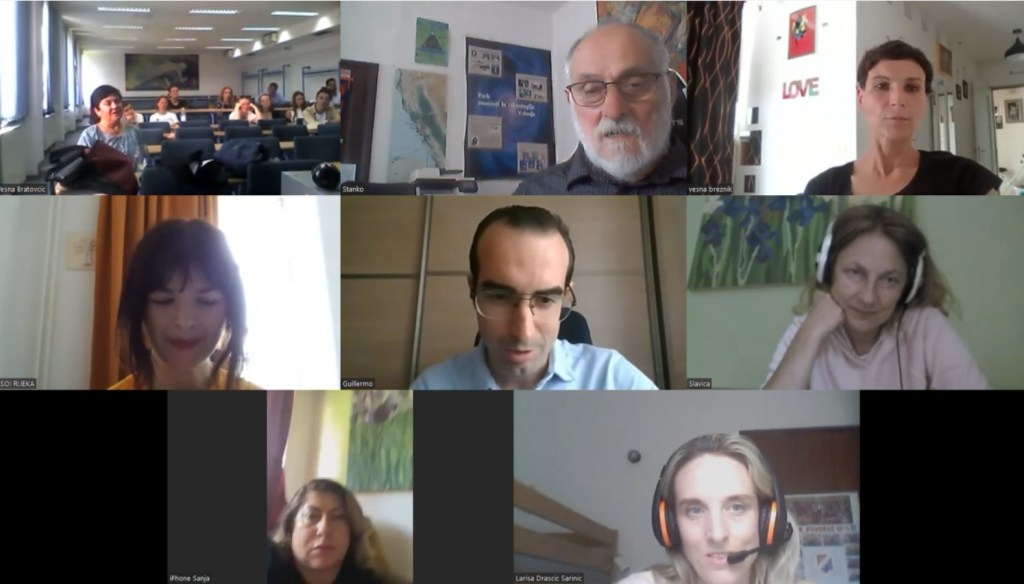
The virtual symposium functioned as a collaborative hub for cross-border cooperation, drawing institutional representatives and frontline practitioners from partner organizations across Croatia, Spain, and Slovenia. Throughout the sessions, these delegates took the virtual stage to present their latest research findings, share critical insights, and discuss the practical implications of integrating holistic health models into daily institutional and community practices.
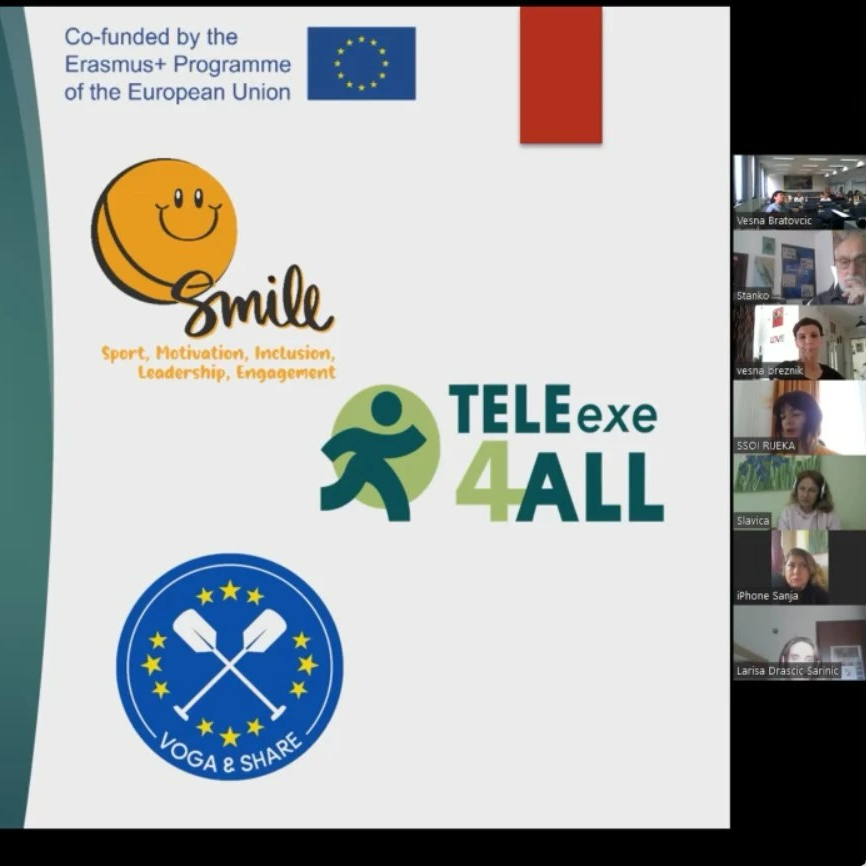
A central highlight of the international gathering was the presentation of the #SMILE project, an ongoing initiative co-funded by the European Union’s #ErasmusPlus program. The project was showcased to the broader academic and professional audience as a model of good practice by its Croatian partner organization, the Rijeka Sports Association for Persons with Disabilities.
The #SMILE initiative—an acronym standing for Sport, Motivation, Inclusion, Leadership, and Engagement—represents an innovative approach to examining and strengthening the fundamental link between sport and social inclusion. Rather than viewing athletic participation purely through a competitive or recreational lens, the project seeks to analyze and leverage physical activity as a powerful tool for social cohesion, ensuring genuine international participation in sporting activities for individuals navigating intellectual disabilities and mental health challenges.
Organizers and project representatives emphasized that the initiative actively contributes to increasing the societal integration of people with intellectual disabilities. Beyond the immediate physical and mental health benefits of sport, the project works to reinforce a vital civic perception among participants: that the rights guaranteed to European citizens are, without exception, their rights as well.
This core philosophy directly intersects with foundational European Union principles, such as the fundamental right of European citizens to move and reside freely across member states. This freedom is formally reflected in the ongoing commitment of the European Union to ensure that persons with disabilities enjoy the same real, unhindered right to freedom of movement as any other citizen.
Organizers noted that this high-level political and legal commitment was successfully translated from theory into tangible reality earlier this year through a major international sporting event held under the SMILE banner in April 2023. That gathering was specifically designed to provide participants with intellectual disabilities a direct, lived experience of free movement and residence, uniting sport, autonomy, and civic rights in a single inclusive framework.
As the symposium concluded, participants from Bosnia and Herzegovina, Germany, Croatia, Spain, Slovenia, and beyond reaffirmed their shared dedication to advancing inclusive health practices. The discussions underscored the growing momentum behind holistic health frameworks as the world moves further into the 21st century, proving that true medical and social progress relies on accessibility, cross-border collaboration, and the unwavering defense of equal rights for persons with disabilities.