As educators and school communities continually seek innovative approaches to foster holistic student development, a surprisingly simple yet powerful medium is gaining traction in classrooms across the country: inspirational and thought-provoking quotes. While historically utilized for basic motivation, quotes are increasingly being deployed as a strategic pedagogical tool to cultivate and strengthen executive functioning skills in children and teenagers.
Developing minds require targeted support in areas that dictate academic and personal success. Skills such as planning, sustained attention, self-control, organization, and cognitive flexibility are vital not only for navigating complex school curriculums but also for managing the demands of daily life beyond the classroom. By integrating carefully selected quotations into daily routines, teachers are finding a creative pathway to help students unpack these complex cognitive concepts, connect them to real-world scenarios, and apply them directly to their own developmental journeys.
The Role of Executive Functioning in Modern Education
Executive functioning encompasses the core mental processes that enable individuals to plan, focus attention, remember instructions, and successfully juggle multiple tasks. Neurologically, these capabilities act as the command center of the brain, residing primarily in the prefrontal cortex, which undergoes significant development throughout childhood and adolescence.
Educators working with growing minds frequently observe that academic struggles are often rooted not in a lack of intelligence or subject-matter comprehension, but in underlying challenges with executive functioning. Whether a student struggles to initiate a writing assignment, organize their binders, or regulate their emotional responses when faced with a difficult math problem, these hurdles point back to the foundational architecture of the mind.
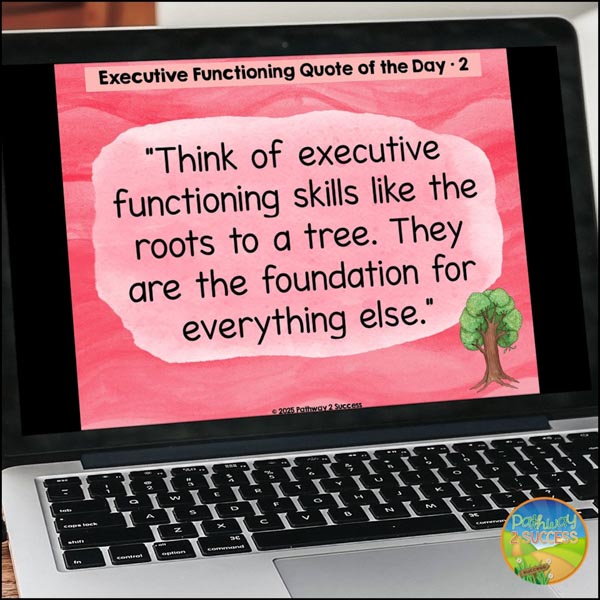
To contextualize this for learners, educators have begun using targeted metaphors, such as comparing executive functioning skills to the roots of a tree. Just as roots anchor a tree and supply it with the necessary nutrients to grow tall and strong, foundational cognitive skills support every single academic and extracurricular activity a student undertakes. When children and teens understand that executive functioning governs everything from starting a chore to holding a focused conversation, they are often more receptive to learning and practicing strategies to strengthen these mental muscles.
Cultivating Self-Control as Self-Kindness
Among the most critical executive functioning components is self-control—the cognitive ability to pause, inhibit impulsive reactions, and deliberate before making a choice. For many young learners, self-control is often framed purely in terms of restriction or obedience, leading to resistance or frustration.
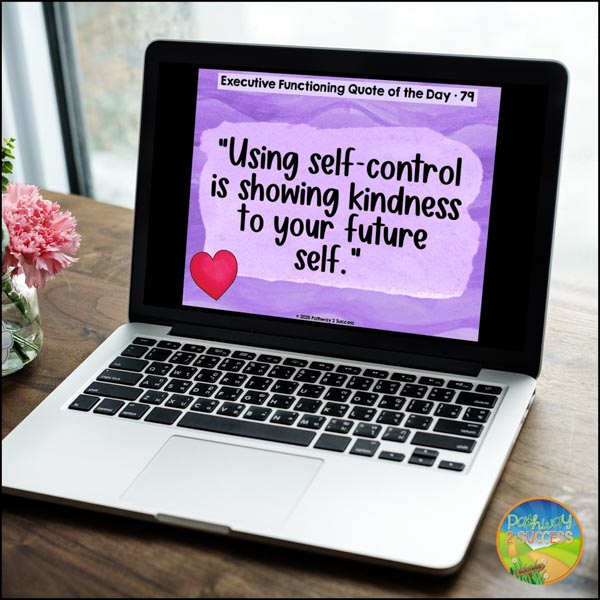
However, contemporary classroom strategies are reframing the concept through a lens of empathy and long-term well-being. By framing self-control not as a set of arbitrary rules imposed by adults, but as an act of kindness toward one’s future self, educators are helping students reevaluate their daily choices.
For instance, when a student takes the time to neatly organize their school binder or study materials ahead of an exam, the immediate effort may feel tedious or unwanted. Yet, recognizing that this action spares future anxiety and sets the stage for academic ease reframes the task entirely. It transforms discipline into a form of self-care, encouraging students to make deliberate choices that benefit their future well-being.
Overcoming Inertia Through Task Initiation
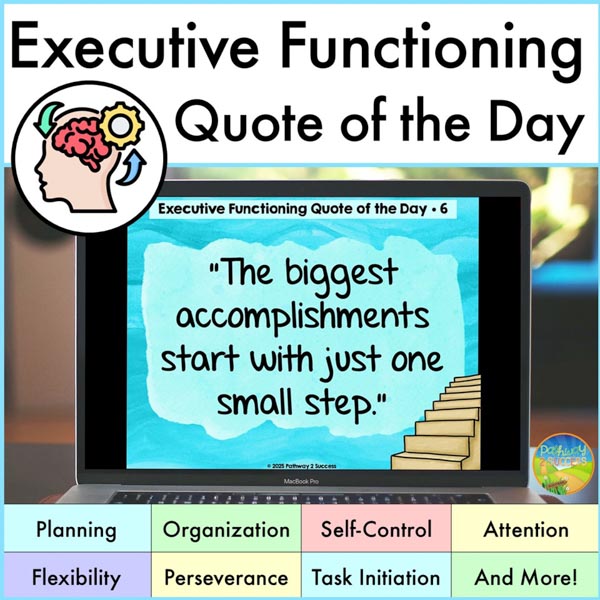
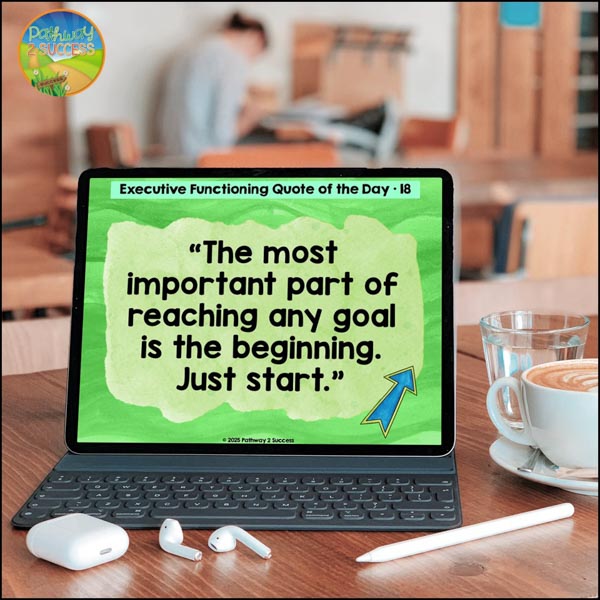
Another persistent hurdle for students of all ages is task initiation—the capacity to independently take the first steps toward completing an assignment or chore. Procrastination and avoidance are frequently fueled by the sheer intimidation of a large project or a perceived lack of immediate interest in the material.
Classroom discussions centered around the mechanics of getting started emphasize a simple yet profound reality: the beginning of any goal is invariably the most critical phase. Once initial momentum is established, navigating the remainder of a task becomes significantly more manageable. By analyzing quotes that emphasize immediate action, students learn to dismantle the mental barriers that prevent them from starting, equipping them with practical approaches to push past initial resistance.
The Connection Between Calmness and Attention
Attention and focus are inextricably linked to emotional regulation. In educational environments marked by high academic pressures and external stimuli, students frequently experience heightened states of stress or overwhelm. Neurological research consistently demonstrates that heightened emotional distress impairs the prefrontal cortex, making sustained attention and deep cognitive processing exceedingly difficult.
By introducing the concept that a calm mind yields a more focused mind, educators are helping students bridge the gap between emotional regulation and academic performance. When learners develop personal strategies to relax and center themselves—ranging from mindful breathing to structured movement breaks—they simultaneously fortify their capacity to concentrate and produce their best work.
Fostering Perseverance and Cognitive Flexibility
Challenges and obstacles are an inevitable part of both the academic journey and everyday life. Perseverance—the sustained effort to pursue a goal despite difficulties—requires tenacity and resilience. While maintaining perseverance is rarely easy, the underlying principle taught through daily reflection is straightforward: the necessity of persistence and the refusal to give up when faced with adversity.
Closely related to perseverance is cognitive flexibility, which involves the ability to switch perspectives, adapt to unexpected changes, and brainstorm multiple solutions to a single problem. When students encounter roadblocks, flexible thinking allows them to step back, evaluate alternative pathways, and recognize that most problems possess more than one viable solution. This adaptability is essential for resilient problem-solving in an increasingly complex world.
Integrating Strategic Reflections into Daily Routines
The deliberate integration of quotes into the school day offers a structured, low-barrier entry point for executive functioning instruction. Rather than treating these cognitive skills as abstract concepts confined to psychology textbooks, educators are embedding them directly into morning meetings, bell-ringer activities, and advisory periods.
By utilizing curated collections of daily quotations accompanied by guided inquiry questions, teachers can facilitate meaningful dialogue that encourages students to connect broader philosophical ideas to their personal experiences. Whether exploring a yearlong curriculum or introducing individual prompts, the overarching objective remains focused on providing students with the cognitive tools they need to plan, organize, regulate, and thrive in their educational environments and beyond.