In classrooms across the country, educators are increasingly searching for innovative methods to help students navigate the growing complexities of academic and personal life. Beyond traditional instruction in math, science, and literature, teachers are placing a renewed focus on cognitive abilities that govern how students plan, organize, and execute daily tasks. Among the emerging strategies gaining traction in modern education, the use of carefully curated quotations has proven to be a surprisingly powerful and accessible tool for building foundational executive functioning skills in children and teenagers.
Executive functioning encompasses the mental processes that allow individuals to plan ahead, focus attention, remember instructions, and successfully juggle multiple tasks. Often described by educators as the bedrock of academic achievement and lifelong independence, these cognitive skills are critical for everything from starting a long-term project to maintaining emotional regulation during a difficult situation. While children and teens have rapidly developing minds capable of absorbing new concepts, these specific organizational and self-regulatory capacities require intentional guidance and practice. Rather than relying solely on rigid behavioral interventions, a growing number of educators are turning to daily discussions around meaningful quotes to spark deep reflection and target these essential developmental milestones.
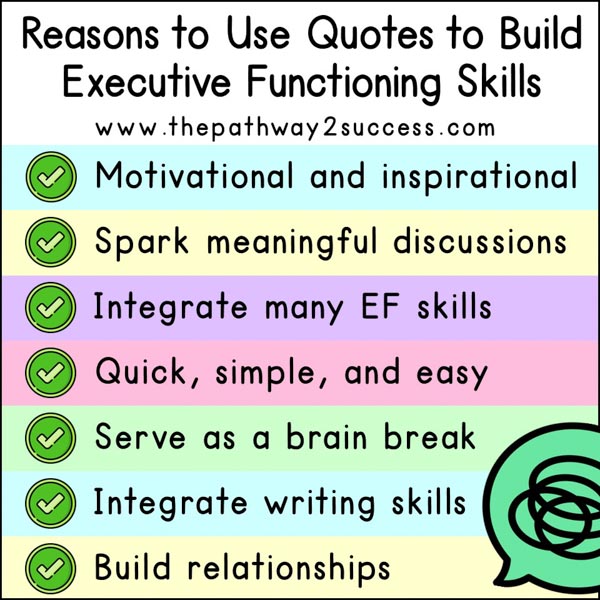
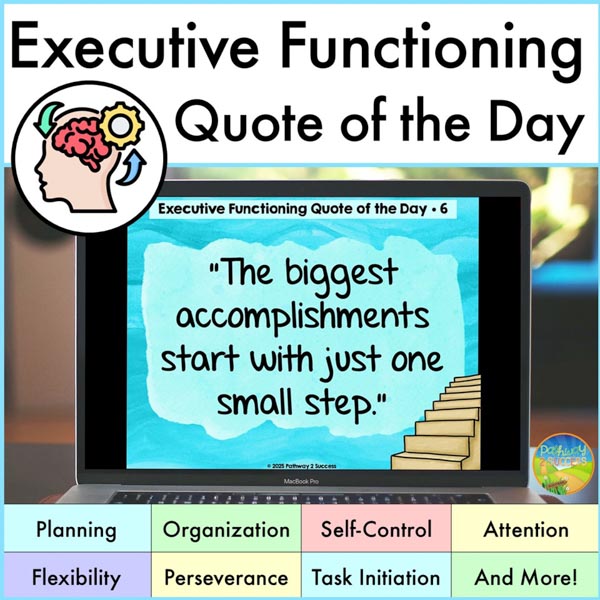
The integration of quotes into the daily classroom routine offers a seamless way to address cognitive development without overwhelming students. Educational experts note that selecting the right material is a strategic process. A truly effective quote for executive functioning is not merely a pleasant sentiment or a passive piece of inspiration; rather, it is a deliberate statement that encourages young learners to think critically, examine their own thought patterns, and draw direct connections to their everyday lives. Whether teachers choose to craft their own discussion prompts or utilize comprehensive yearlong resources—such as structured daily bell-ringer sets designed specifically around executive functioning—the overarching goal remains the same: to make cognitive development an engaging, integrated part of the school day.
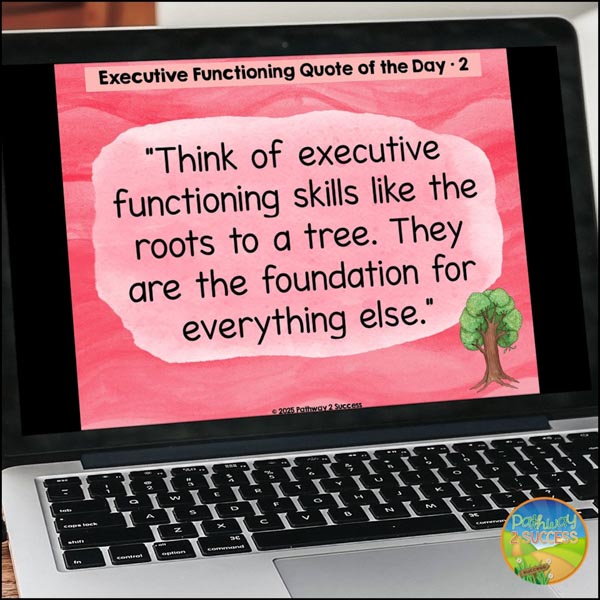
To understand the practical application of this strategy, one can examine how specific quotes are deployed to target individual executive functioning domains. For instance, when introducing the broad concept of executive functioning itself, educators often reference the metaphor that these mental processes are akin to the roots of a tree, serving as the hidden foundation for everything an individual accomplishes. Through guided classroom discussions, students explore how these internal mechanisms quietly power their favorite hobbies, academic pursuits, and problem-solving abilities. By recognizing that these skills underpin all their daily actions, learners are better equipped to embrace the deliberate practice of strengthening them.
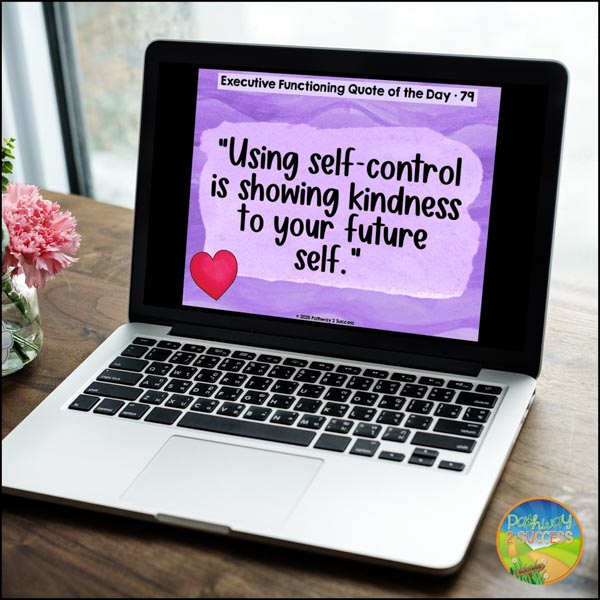
Another critical area of focus within this framework is self-control, a domain often tested in the modern educational environment. A quote frequently utilized to address this skill is the notion that using self-control is ultimately a form of kindness toward one’s future self. In classroom discussions, students learn that self-control involves stopping to evaluate choices before acting, paving the way for better decision-making over time. Teachers often ground this concept in relatable student experiences, such as the immediate friction of organizing a messy binder versus the future relief of easily finding assignments when they are needed. By reframing self-regulation as an act of self-kindness, students begin to view structure and discipline not as punitive rules, but as investments in their own well-being.
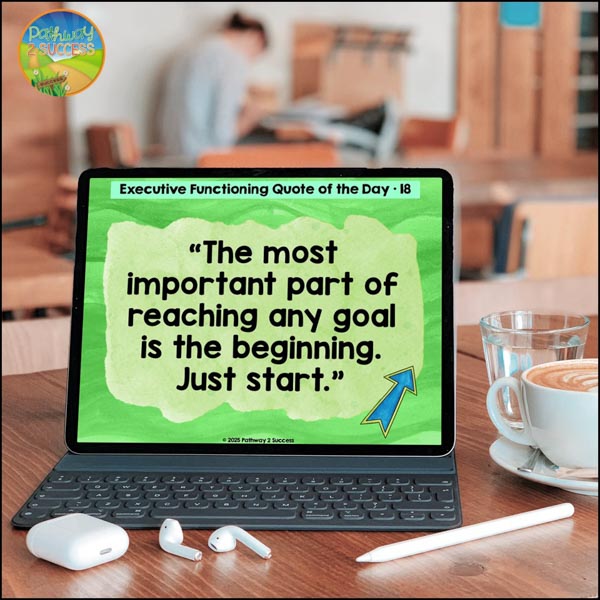
Task initiation—the often daunting hurdle of simply getting started on a piece of work—represents another major barrier for many learners. Educators addressing this challenge frequently turn to the principle that the most important part of any goal is the beginning, emphasizing the simple directive to just start. Discussions around this theme help students dissect why beginning a task can feel so difficult in the moment, allowing them to share and discover practical strategies for generating the momentum needed to push past initial hesitation and see a project through to completion.
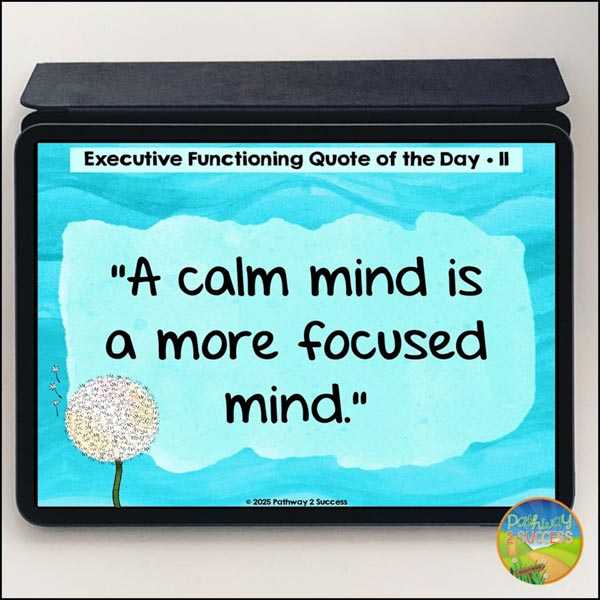
Attention and emotional regulation are similarly intertwined in this educational approach, encapsulated by the premise that a calm mind is inherently a more focused mind. As students navigate the daily pressures of school, learning to recognize and implement calming strategies becomes a direct pathway to improved concentration. Through guided inquiries, learners examine why emotional distress or overwhelm tends to fracture focus, and they collectively identify relaxation techniques that help clear the mind for optimal performance.
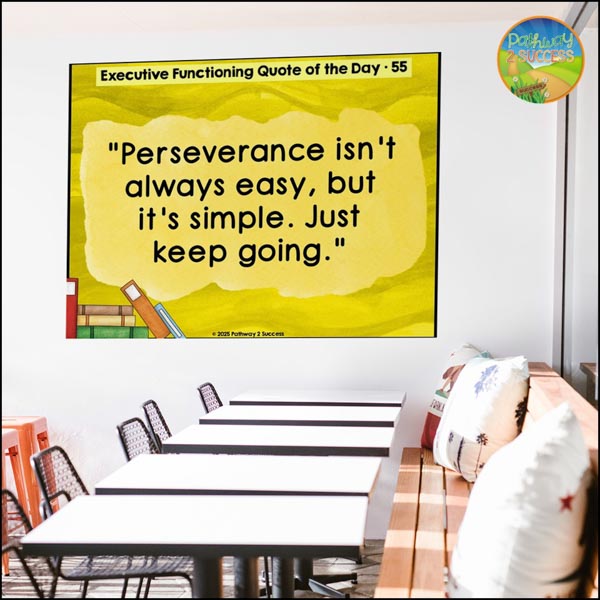
Perseverance and flexibility round out the core competencies frequently targeted through quote-based discussions. When confronting challenging goals, students explore the idea that persistence, while rarely easy, ultimately boils down to the simple act of keeping going. By reflecting on past hardships they have successfully navigated, learners build a personal toolkit of resilience strategies. Simultaneously, cognitive flexibility is nurtured through prompts focused on problem-solving, reinforcing the idea that most obstacles have multiple viable solutions. By encouraging students to brainstorm diverse pathways out of recent difficulties, teachers foster the mental adaptability required to navigate an unpredictable world.
Through the intentional integration of these discussions into the daily routine, educators are finding new, resonant ways to equip students with the cognitive framework they need to thrive. By pairing reflective dialogue with targeted skill development, classrooms are transforming simple words into lasting habits for academic and personal success.