
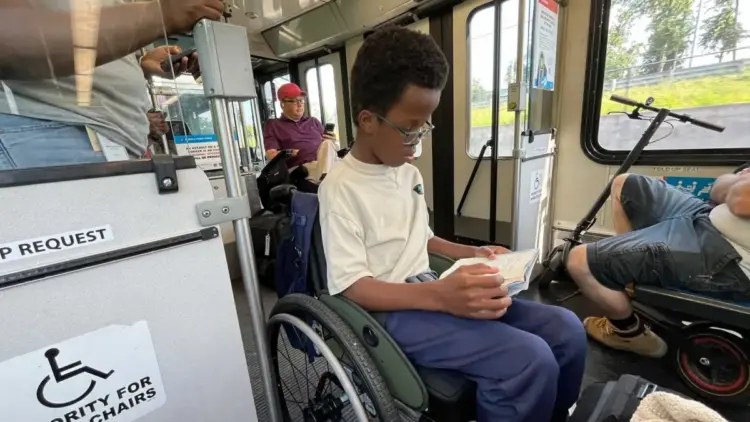
Readers of the Wheelchair Travel Newsletter can expect a brief hiatus in the regular publishing schedule as founder John Morris concludes leading group trips across Europe. Upon his return, Morris is slated to announce an all-new Summer 2027 tour, expanding the organization’s portfolio of accessible international group travel. In the interim, the publication has shifted its focus to a subject close to the hearts of many travelers and families: the indispensable role of reading during transit, downtime, and everyday life.
Whether navigating air travel delays, waiting at departure gates, or spending hours relaxing on trains, travel inherently creates pockets of time ideal for literature. As the Wheelchair Travel team prepares an upcoming feature on effective boredom busters for young travelers, reading remains a cornerstone activity for the family. Engaging with books on a nightly basis and participating in a long-standing book group with close friends for nearly five years underscores a deep-rooted appreciation for storytelling and shared learning.
This appreciation has found a fitting backdrop in the family’s new home city of St. Louis, anchored by the grand architecture and classic ambiance of the Saint Louis Central Library. Etched into the exterior of the historic building are enduring reflections on the power of literature, including a notable quote by Andrew Carnegie: “I choose free libraries as the best agencies for improving the masses of the people because they only help those who help themselves. They never pauperize. A taste for reading drives our lower tastes.”
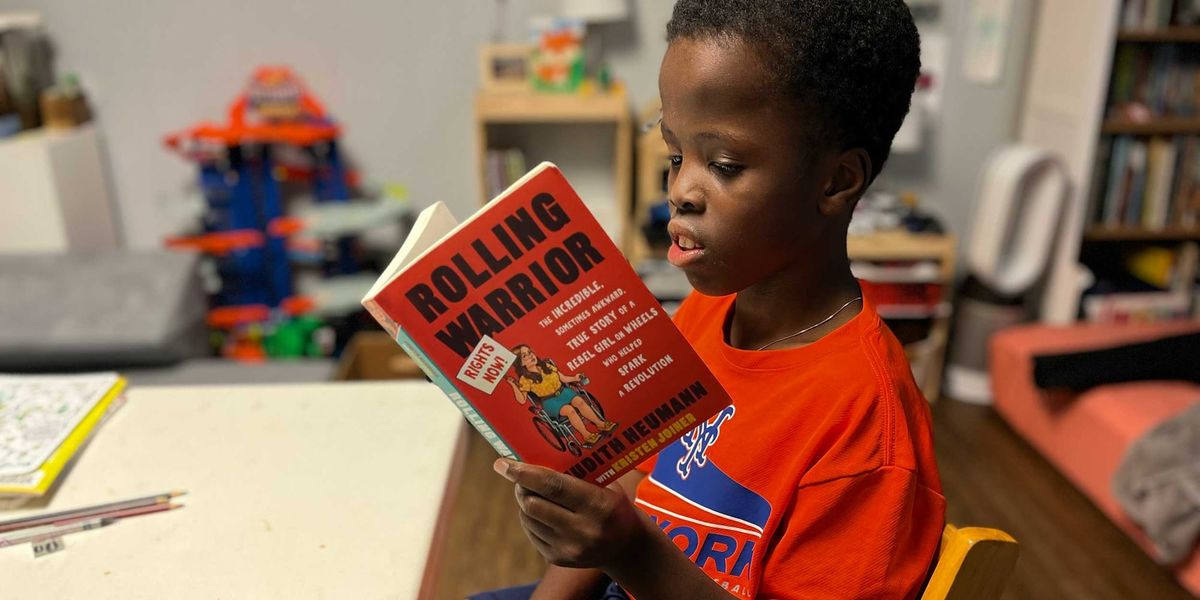
Seeking to share this passion with a broader audience, the publication has curated a selective list of top-tier disability-focused literature. Drawing from hundreds of titles read over the years, the curated recommendations are organized loosely by age group, highlighting works that function both as windows into unfamiliar perspectives and mirrors reflecting lived experiences.
Early Childhood Picture Books
Introducing young readers to diverse perspectives early in life helps cultivate empathy and self-recognition. For disabled children, finding literature that mirrors their own experiences has historically been a challenge, making inclusive picture books particularly vital.
Among the early childhood recommendations is What Happened to You? by James Catchpole. Having followed the author’s advocacy on social media for years, the inclusion of his book celebrates its arrival in the United States. The story directly addresses the subtle yet pervasive ableism that many disabled children encounter in daily life. Through the experiences of the main character, Joe, the book articulates complex social dynamics in a way that children can readily grasp, providing young readers and their families with the language needed to navigate everyday encounters.

Another foundational title is Best Day Ever by Marilyn Singer, illustrated by Leah Nixon. This upbeat story follows an enthusiastic puppy and its young owner, who happens to use a wheelchair. Offering natural disability representation without heavy-handed exposition, the book serves as a vital mirror for children using mobility devices, helping to close a longstanding representation gap in early childhood literature.
Jordan Scott’s award-winning I Talk Like a River offers a poignant exploration of speech differences. The narrative follows a young boy who, with his father’s guidance, learns to view his stutter through the natural imagery of a flowing river. With poetic prose and evocative illustrations, the book bridges generations, making it an ideal read-aloud experience for families.
Rounding out the early childhood selections is All the Way to the Top by Annette Bay Pimentel, an illustrated biography documenting the life and activism of Jennifer Keelan-Chaffins. Chronicling Jennifer’s participation in the historic Capitol Crawl as a child, the book introduces young readers to disability history through the lens of a peer. It underscores the message that individuals of any age can contribute meaningfully to the pursuit of global accessibility.
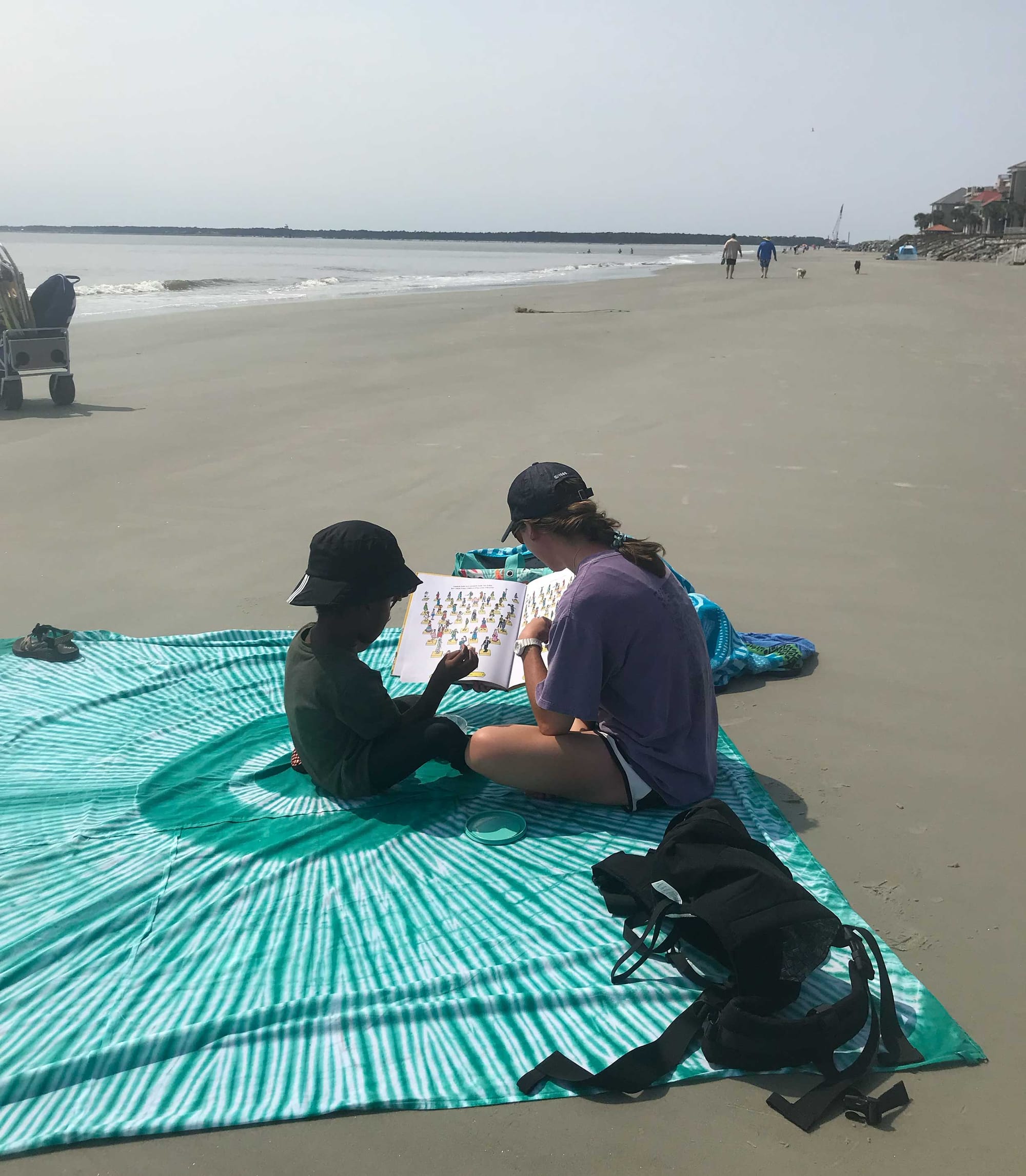
Middle Grade Novels
As children transition into middle-grade readers, narratives involving complex social landscapes, personal identity, and growing independence take center stage.
Dusti Bowling’s Insignificant Events in the Life of a Cactus has emerged as a household favorite, frequently revisited by young readers. The novel follows Aven, a resourceful protagonist born without arms, as her family relocates to a new state. While Aven’s physical disability is central to the plot, the story balances humor, mystery, and themes of friendship, including a secondary character with Tourette Syndrome. The narrative provides a realistic depiction of disability while allowing room for nuanced family discussions about representation.
Similarly, Rob Harrell’s Wink resonates with readers navigating the awkward terrain of middle school. Based on the author’s childhood experience with a rare form of eye cancer, the novel follows a young protagonist named Ross as he handles a sudden diagnosis while attempting to fit in with peers. Blending humor, music, and authentic reflections, the story strikes a chord with anyone who has ever felt outside the traditional mold.
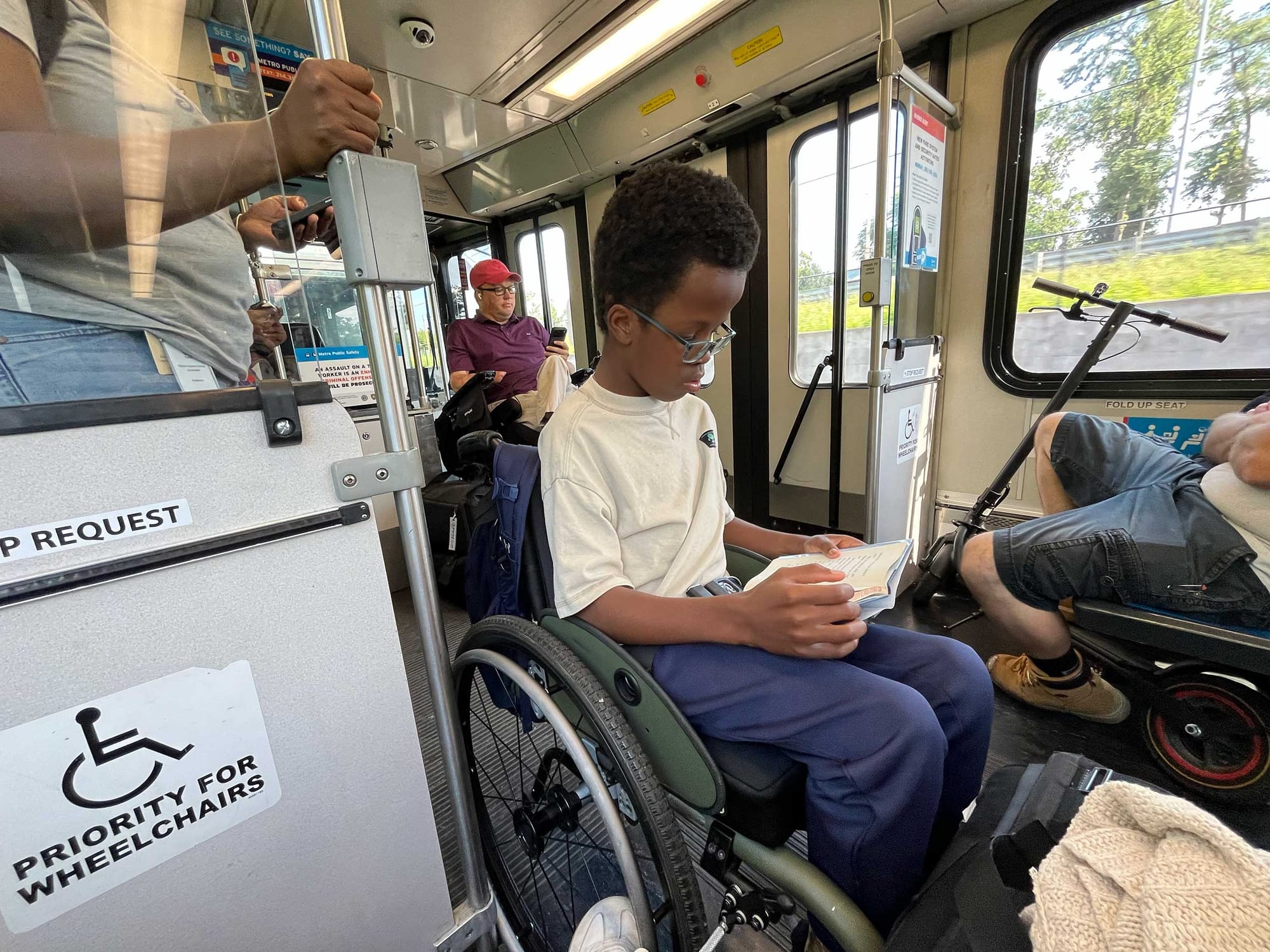
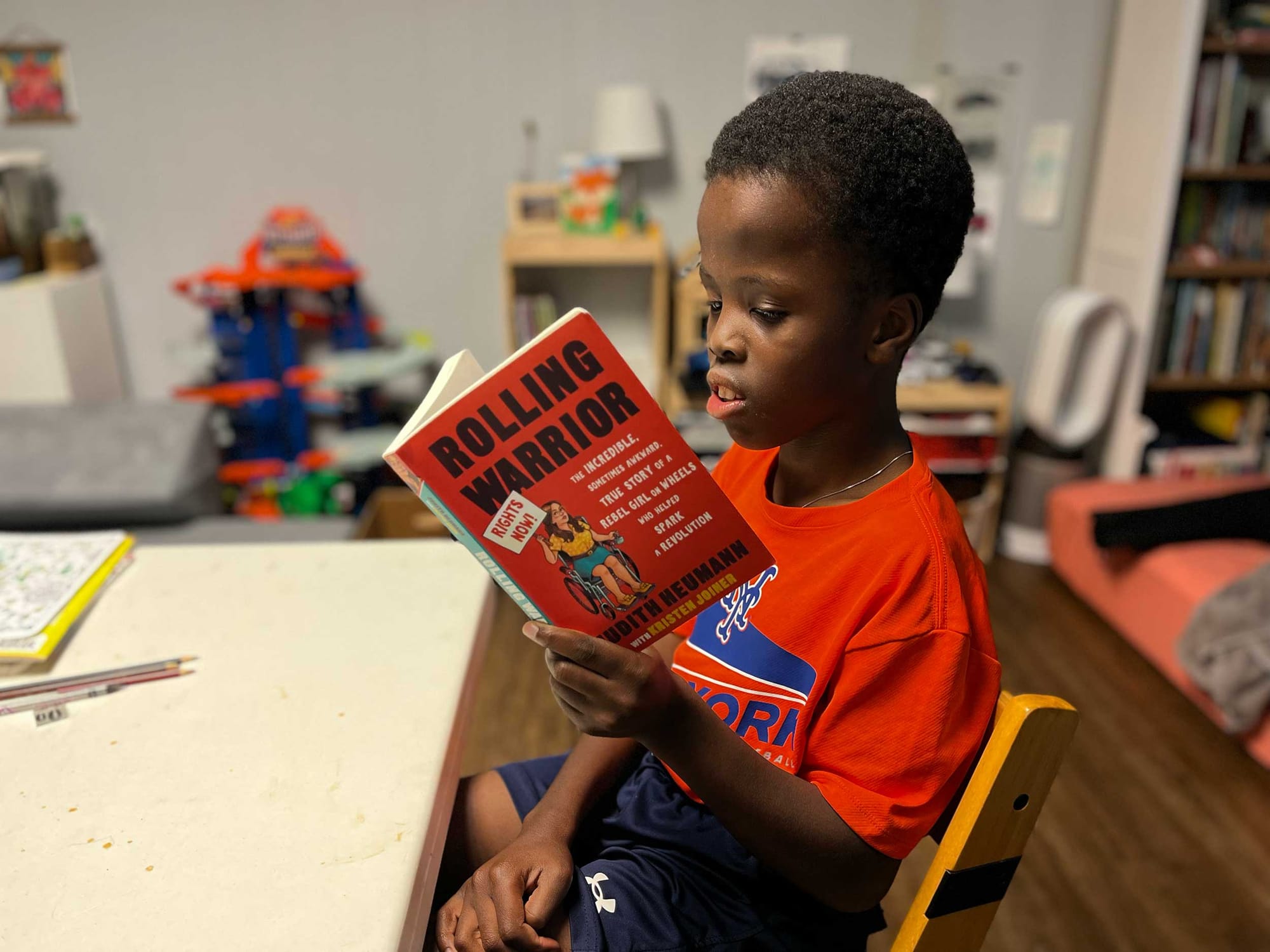
The middle-grade category also features adapted non-fiction, notably Rolling Warrior by Judith Heumann and Kristen Joiner. Subtitled The Incredible, Sometimes Awkward, True Story of a Rebel Girl on Wheels Who Helped Spark a Revolution, the memoir offers young readers a firsthand look at the disability rights movement. Through Heumann’s recounting of early barriers and triumphs, readers gain historical context and a compelling call to civic action.
Complementing this historical perspective is I Am Not a Label by Cerrie Burnell, which profiles more than thirty disabled artists, thinkers, performers, and activists. By challenging limiting stereotypes, the book expands the horizon of possibility, offering role models for children and encouraging them to envision their own potential impact.
Titles for Young Adults and Adults
For mature readers, memoirs and essays offer deeper explorations of systemic barriers, personal identity, and the human condition.
Rebekah Taussig’s Sitting Pretty: The View from My Ordinary Resilient Body provides a collection of reflective essays examining disability both personally and culturally. Taussig’s writing navigates the complexities of living in an inaccessible world with nuance, refusing to gloss over reality while maintaining an unyielding sense of hope.
Ariel Henley’s A Face for Picasso offers an equally raw and thought-provoking memoir about growing up with Crouzon Syndrome, a condition involving the premature fusion of cranial bones. Henley examines societal perceptions of beauty and identity, challenging readers to reevaluate underlying cultural assumptions.
Judith Heumann’s adult memoir, Being Heumann: An Unrepentant Memoir of a Disability Rights Activist, co-written with Kristen Joiner, details the pivotal moments of the disability rights movement from an insider’s perspective. Often regarded as a foundational figure in modern advocacy, Heumann chronicles her involvement in the historic 504 Sit-In, the passage of the Americans with Disabilities Act, and her subsequent tenure as Special Advisor on Disability Rights for the U.S. State Department.
Rounding out the list is Haben Girma’s Haben: The Deafblind Woman who Conquered Harvard Law. Girma’s autobiography details her journey of adaptation and advocacy in an environment not initially built to accommodate her needs. Her narrative reframes disability not as a personal deficit to be overcome, but as a catalyst for innovation.
Beyond the literary recommendations, the newsletter reminds travelers and local residents alike to explore community resources. Public library cards often unlock perks extending beyond book loans, including free or discounted admission tickets to regional museums, science centers, and cultural attractions across the country.



