Self-regulation is foundational for enabling kids to handle everyday emotions, concentrate effectively on tasks, and build positive social connections. While these skills remain essential throughout the year, the combination of altered schedules, cold weather limiting outdoor activity, and holiday-induced pressures creates an environment where children frequently require targeted support. To address these seasonal challenges, educators and mental health advocates are promoting a range of engaging, winter-themed activities designed to make practicing emotional control both accessible and enjoyable.
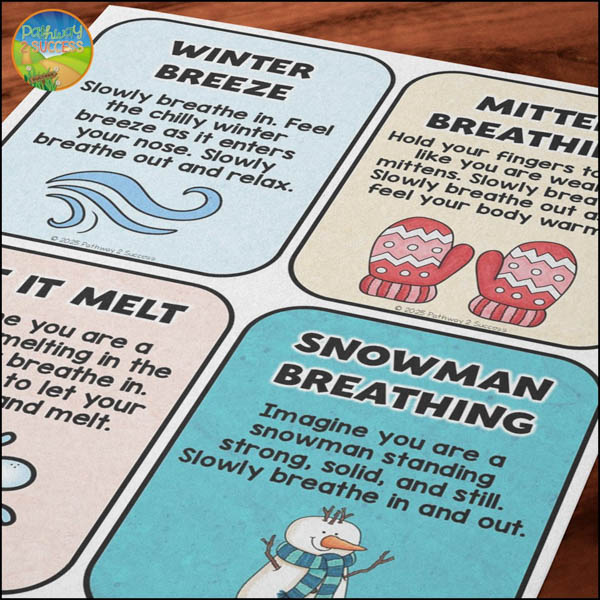
Among the primary approaches being implemented in classrooms and homes are winter-themed breathing exercises. Mindful breathing serves as a neurological pause button, allowing children to step back from immediate impulses and emotional reactions. By focusing intentionally on inhales and exhales, students activate the parasympathetic nervous system, which governs the body’s rest and relaxation responses. Extensive research indicates that incorporating structured breathing exercises supports self-regulation, enhances cognitive focus, and fosters an overarching sense of calm during high-stress periods.
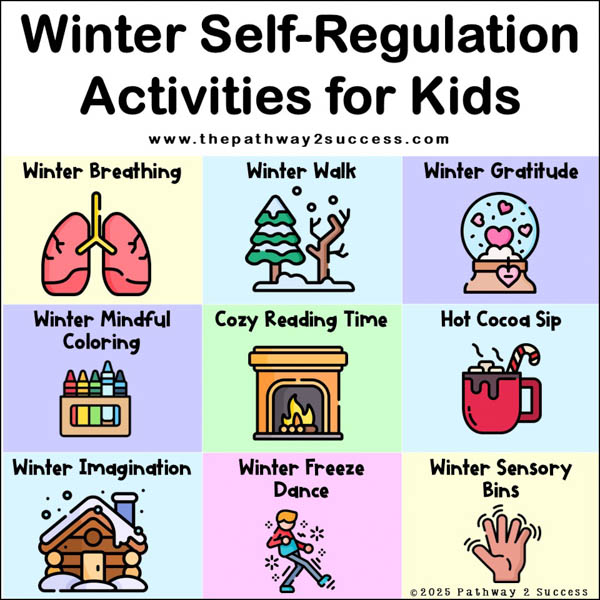
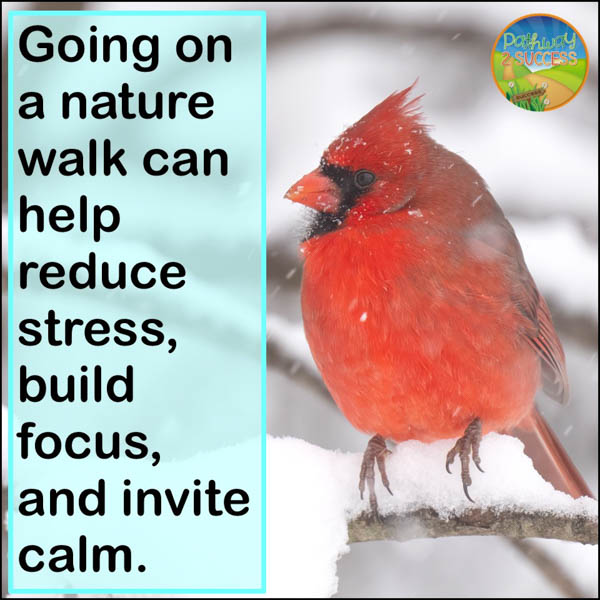
Alongside indoor mindfulness practices, physical engagement with the natural world remains a cornerstone of emotional health during the colder months. Educators encourage outdoor nature walks where children focus on sensory observations, noting the sights, sounds, textures, and smells of their environment. Spending time outdoors has been shown to reduce stress, strengthen attention spans, and improve overall mood. When harsh weather prevents outdoor excursions, alternative nature-themed brain breaks are often utilized to provide similar mental resets, while simultaneously encouraging physical activity and exposure to natural light during shorter winter days.
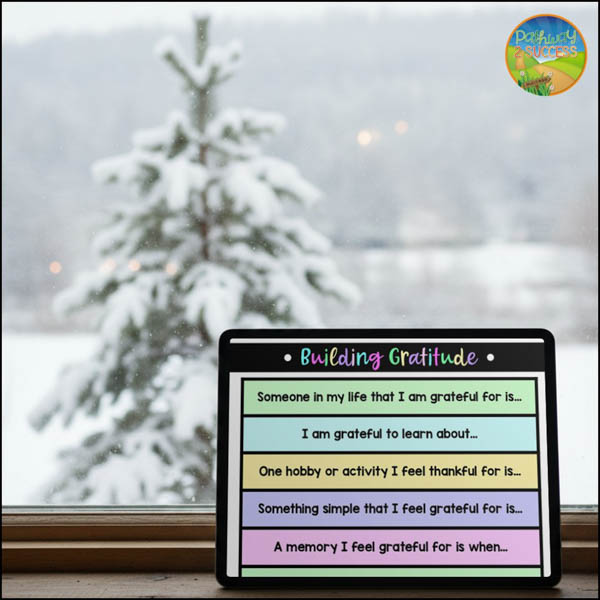
Reflective practices, such as winter gratitude exercises, are also gaining traction as tools for emotional resilience. By guiding children to articulate specific aspects of the season they appreciate—ranging from the warmth of a sunny winter afternoon to time spent with family—adults can help rewire thought patterns toward the positive. Scientific studies consistently link gratitude practices with reduced stress, improved mood, enhanced resilience, and better sleep quality. These reflections are frequently integrated into daily routines through classroom discussions, journaling, and gratitude-focused sentence starters.
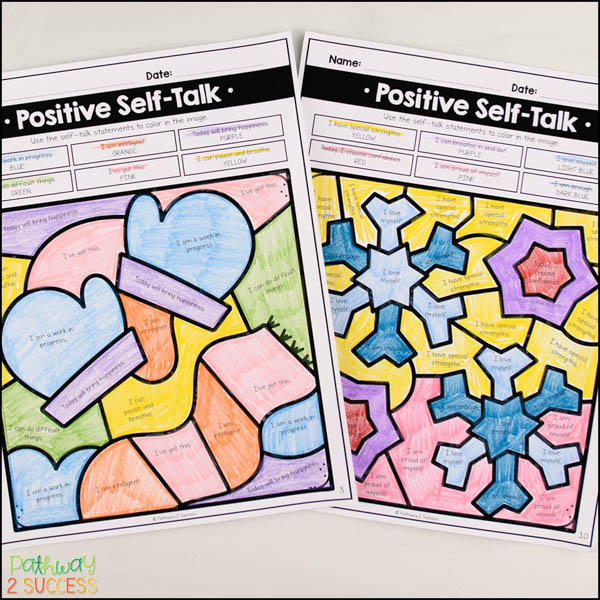
Creative outlets provide another vital avenue for emotional regulation, particularly for children who struggle with traditional stillness. Mindful winter coloring pages, featuring positive self-talk phrases, offer a structured medium for relaxation and anxiety reduction. Because coloring does not demand absolute physical stillness, it serves as an effective self-regulation strategy for kinetic learners who require subtle movement to maintain focus. Similarly, cozy reading sessions—whether through silent independent reading or group read-alouds—help lower stress levels, ease muscle tension, and promote empathy. Immersing children in a compelling narrative provides a constructive mental break from other daily stressors while fostering connection through shared reading experiences.
Sensory exploration and tactile play are similarly leveraged to support emotional regulation. Winter-themed sensory bins filled with safe, tactile materials encourage mindfulness, curiosity, and the development of fine motor skills. In a similar vein, mindful culinary activities, such as slowly sipping hot cocoa, transform a simple seasonal treat into an exercise in sensory awareness. Focusing on the physical sensations of warmth, aroma, and taste helps quiet the mind, while warm beverages naturally signal the central nervous system to relax.

Cognitive visualization techniques offer another method for emotional stabilization during the winter months. By guiding children to close their eyes and imagine calming, sensory-rich winter scenes, facilitators help young participants shift their physiological state toward relaxation. This mental practice mirrors the benefits of physical environment changes by utilizing the imagination to evoke tranquility.
Hands-on winter crafts and music integration further expand the toolkit available to educators and parents. Crafting projects engage fine motor skills and creativity while challenging children to exercise patience, follow multi-step processes, and manage frustration when projects do not go as planned. Concurrently, playing gentle, winter-themed instrumental music creates a calm auditory backdrop for independent work sessions and classroom transitions, triggering natural relaxation responses.

More active interpretations of these principles include winter-themed movement games, such as freeze dance variations. By requiring children to dance and instantly freeze upon hearing designated winter vocabulary words, these games build impulse control, body awareness, and the ability to rapidly shift between activity and stillness. As communities continue to seek effective ways to support youth through seasonal transitions, these diverse, engaging strategies offer practical methods for fostering lifelong self-regulation skills.