Self-regulation, defined as the foundational capacity to manage thoughts, feelings, and actions, is essential for everyday functioning, academic focus, and positive social interactions. While these skills are vital year-round, experts note that children frequently require additional scaffolding immediately before and after winter breaks. The abrupt transition from structured school days to holiday environments—and back again—disrupts internal rhythms, making proactive emotional support crucial for youth development.
Rather than treating emotional regulation as a purely academic or clinical exercise, educators are discovering that integrating these strategies into creative, winter-themed activities yields the best results. A collection of ten engaging exercises has emerged as a practical framework for classrooms and households aiming to foster calm, focus, and emotional grounding through the winter season.
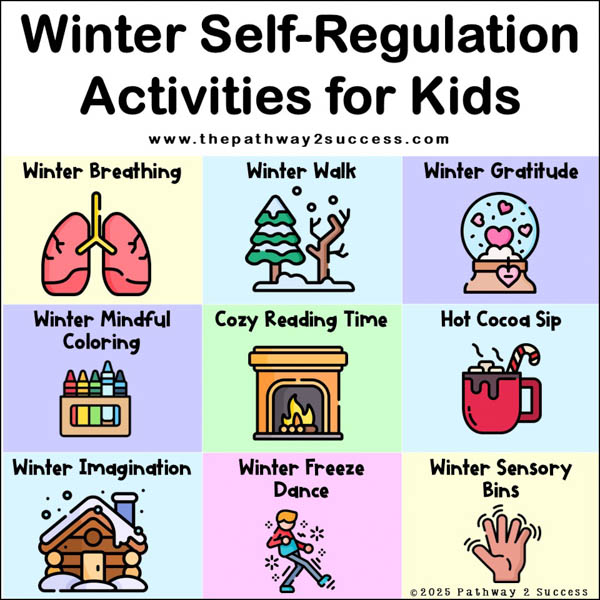
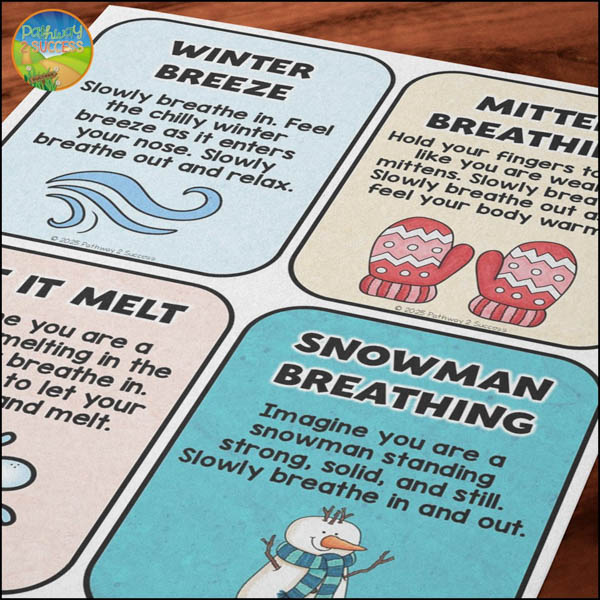
At the core of many emotional management programs are winter breathing exercises. By teaching children to focus on their inhales and exhales, educators provide a mental pause button that interrupts immediate emotional reactivity. This mindful breathing activates the parasympathetic nervous system, shifting the body away from the stress response and toward a state of physiological rest and relaxation. Research consistently links mindful breathing to improved attention span, reduced anxiety, and stronger self-regulation capabilities across diverse age groups.
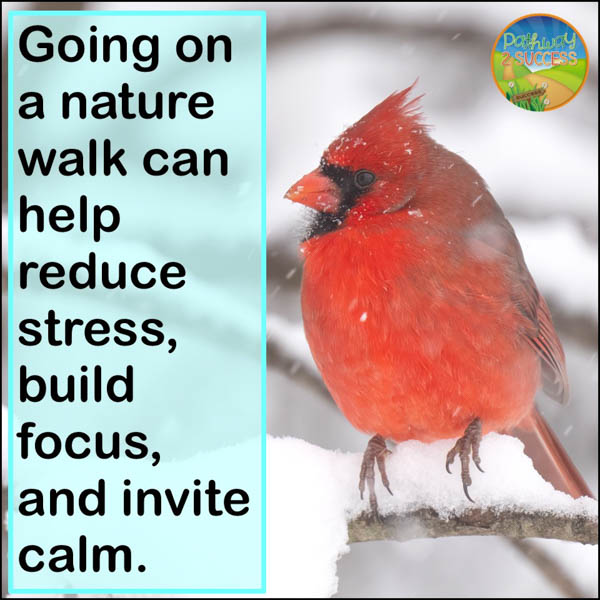
Beyond the classroom walls, outdoor nature walks offer a dynamic approach to emotional grounding. When properly bundled up, children are encouraged to engage all five senses while exploring winter landscapes, noticing environmental details such as the feeling of a chilly breeze or the sight of wildlife overhead. This sensory engagement serves as an active form of mindfulness. Furthermore, scientific studies underscore that spending time outdoors during daylight hours reduces stress, enhances mood, and provides much-needed natural light and physical exercise during a season characterized by prolonged indoor confinement.
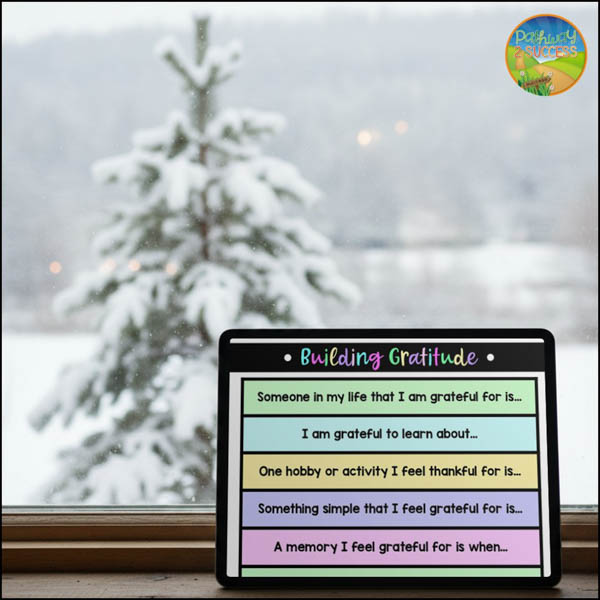
Gratitude practices have similarly proven effective in rewiring neural pathways toward positivity and resilience. By guiding children to reflect on specific winter elements—such as the warmth of sunshine on a cold day, seasonal traditions, or hot beverages—educators help foster an attitude of thankfulness. Research indicates that regular gratitude reflection contributes directly to lower stress levels, improved emotional well-being, stronger psychological resilience, and better sleep quality.
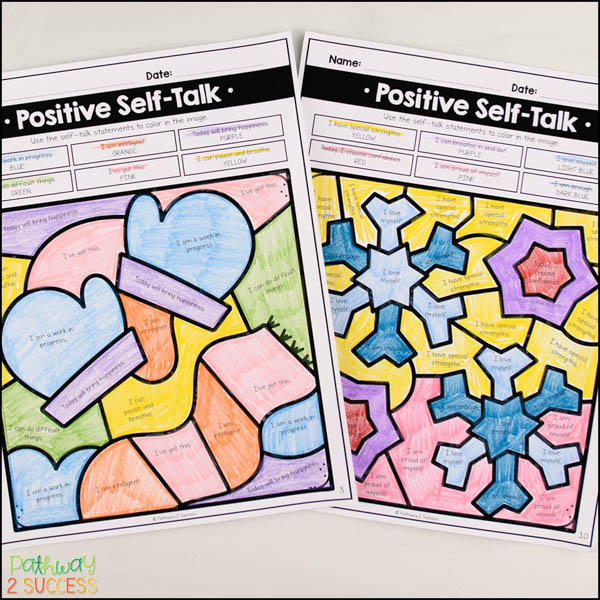
For children who process emotions better through tactile or creative outlets, mindful coloring offers a proven pathway to relaxation. Unlike silent meditation, which requires stillness, coloring allows for subtle movement while engaging the mind in a low-stakes task. Utilizing winter-themed pages featuring positive self-talk phrases helps reduce anxiety and improve mood, serving as an effective self-regulation tool for kinetic learners who struggle with traditional quiet time.

Similarly, cozy reading sessions provide a dual benefit of relaxation and interpersonal connection. Whether students read independently or participate in a group read-aloud, immersing themselves in a compelling narrative lowers physiological stress markers, eases muscle tension, and builds empathy. When conducted as a group read-aloud, the activity fosters co-regulation, allowing children to calm their nervous systems in shared, quiet spaces accompanied by simulated or real warmth.
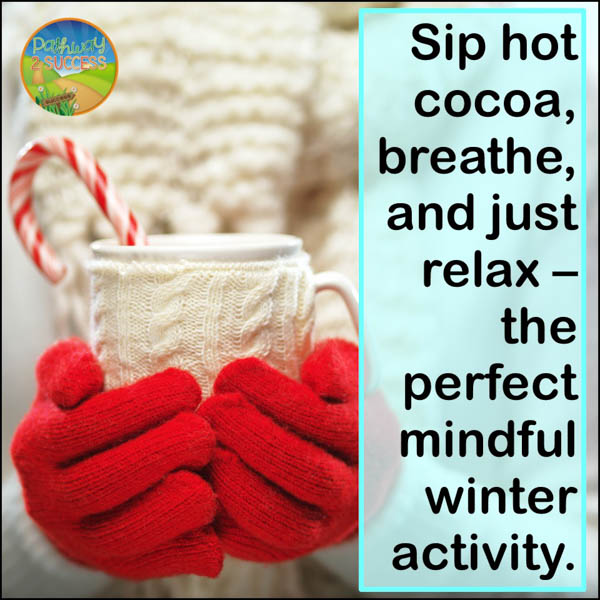
Hands-on sensory experiences, such as winter-themed sensory bins, utilize tactile play to anchor wandering minds. By exploring containers filled with winter materials, children engage their sense of touch, which naturally supports fine motor skills, curiosity, and calm focus. This tactile engagement parallels the sensory mindfulness found in sipping warm beverages like hot cocoa. The physical warmth of a cup of cocoa, combined with the deliberate pacing of smelling, holding, and tasting the drink, signals the central nervous system to relax and unwind.

Cognitive visualization exercises further expand these self-regulation toolkits by teaching children to mentally escape to peaceful winter scenes. Guided by sensory prompts regarding what they might see, hear, or feel in a serene snowy landscape, youth learn the self-directed skill of shifting their internal physiological state from agitation to tranquility.
Creative outlets like winter crafts and movement-based games address self-regulation through structured action. Hands-on art projects require sustained attention, fine motor control, and frustration tolerance when designs do not go as planned. Meanwhile, active games like winter freeze dance challenge children to exercise executive function and physical control by abruptly halting their movement upon hearing specific seasonal trigger words. Combined with the use of gentle, calming winter-themed background music to set a tranquil atmosphere during transitions, these diverse strategies provide a robust framework for supporting children’s emotional health throughout the winter season.