Self-regulation—defined as the capacity to effectively manage thoughts, feelings, and behaviors—plays a foundational role in a child’s daily life. It enables youngsters to process everyday emotions, maintain cognitive focus on academic or creative tasks, and foster positive interpersonal connections. While these skills are essential year-round, educators note that children and young adults frequently require additional scaffolding during the winter months due to environmental disruptions and changes in daily schedules.
To address these seasonal challenges, experts advocate for integrating self-regulation exercises into daily routines through engaging, age-appropriate activities. Rather than treating emotional regulation as a purely clinical or restrictive practice, educators find that weaving these strategies into creative and physical outlets yields the most significant benefits for developing minds.
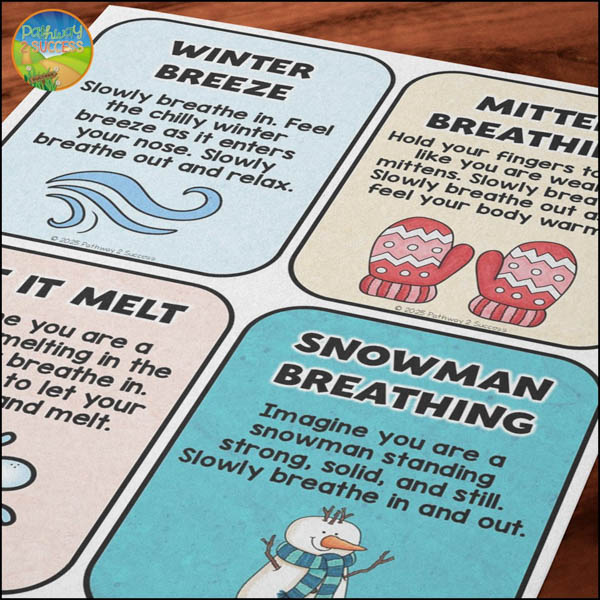
Among the primary approaches recommended for winter application are specialized breathing exercises designed to help students calm their bodies and minds. Mindful breathing acts essentially as a mental pause button, allowing children to step back from immediate impulses or emotional reactions in favor of slow, deep inhalations and exhalations. With consistent practice, these techniques cultivate a baseline of calm, relaxation, and enhanced cognitive focus. From a neurological standpoint, focusing on the breath activates the parasympathetic nervous system, which governs the body’s rest-and-digest functions. Extensive research underscores that mindful breathing directly supports self-regulation, sharpens attention spans, and fosters a general sense of tranquility.
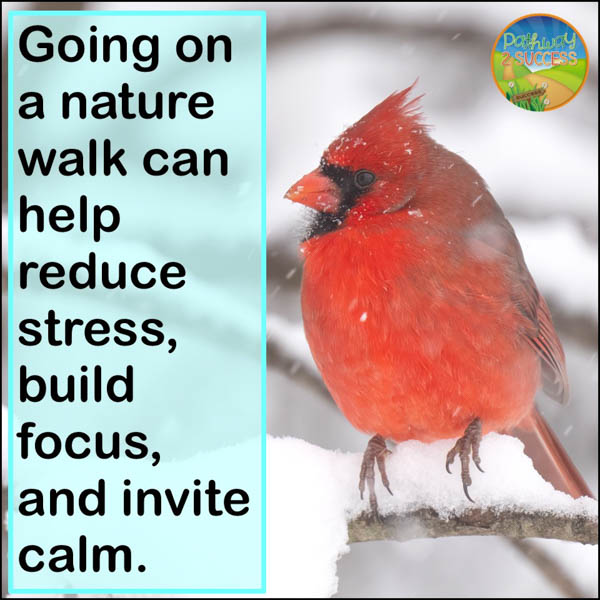
Complementing indoor breathing exercises, outdoor nature walks provide children with an active method for reducing stress and improving mood during shorter, colder days. By bundling up and stepping outside, students engage in purposeful exploration while maintaining awareness of their immediate surroundings through sight, sound, touch, smell, and taste. Observing a hawk in flight or feeling a brisk winter breeze encourages active mindfulness. Research consistently demonstrates that spending time outdoors alleviates stress, strengthens attentiveness, and enhances overall well-being. Furthermore, outdoor winter excursions promote physical exercise and encourage exposure to natural light, addressing seasonal needs that are often unmet during extended periods spent indoors.
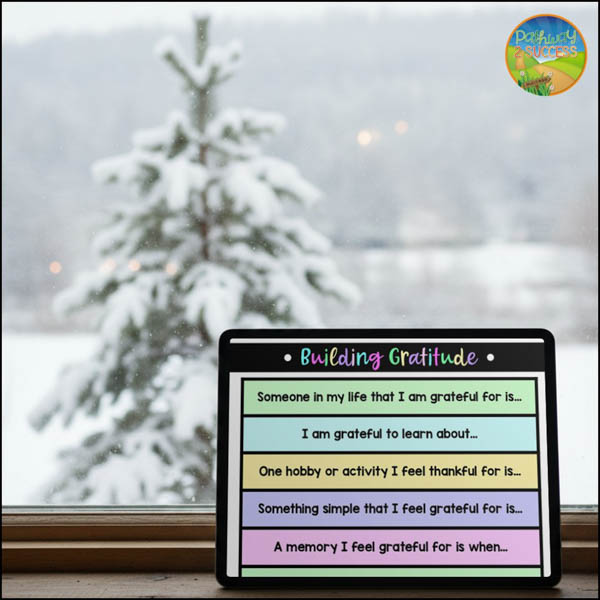
Reflection on gratitude represents another cornerstone of winter emotional support strategies. By dedicating time to discuss and record what they appreciate during the colder months—ranging from hot cocoa and seasonal holidays to the simple warmth of winter sunshine—children learn to redirect their cognitive focus toward positive experiences. Gratitude practices have been shown by scientific researchers to reduce stress, elevate mood, build psychological resilience, improve sleep quality, and foster greater overall well-being. Whether expressed through open class discussions, journal writing, or guided sentence starters, gratitude serves as a durable tool for emotional balance.
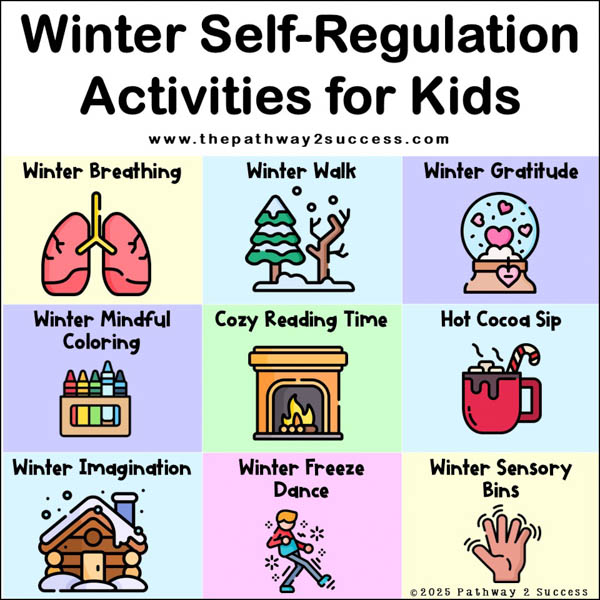
For children who benefit from creative outlets that require less physical stillness than meditation, mindful coloring offers an evidence-based alternative to reduce anxiety and improve mood. Utilizing winter-themed coloring pages paired with positive self-talk phrases allows students to channel their energy into a calming artistic process. Because coloring does not demand absolute stillness, it proves particularly effective as a self-regulation strategy for children who require a degree of movement while they focus.
Similarly, cozy reading time creates an environment conducive to relaxation and emotional connection. Whether implemented through independent silent reading or shared classroom read-alouds, immersing oneself in a good book helps lower stress levels, ease physical muscle tension, enhance empathy, and promote long-term well-being. Read-aloud sessions offer the added advantage of fostering co-regulation and interpersonal connection among peers as they share a collective literary experience.
Hands-on tactile experiences, such as winter-themed sensory bins, provide another effective medium for cultivating calm and focus. By filling containers with safe, winter-inspired materials, educators and caregivers engage children in sensory play that simultaneously supports fine motor skills, narrative creativity, and natural curiosity.
Culinary mindfulness offers yet another avenue for emotional centering through the simple act of sipping warm beverages like hot cocoa. By encouraging children to consciously engage their senses—holding the warm mug, noticing the aroma, and pausing mindfully between sips—caregivers transform a simple treat into an active mindfulness exercise. Warm drinks naturally relax muscle tension and signal the central nervous system to shift into a state of comfort and calm.
In addition to sensory and culinary mindfulness, winter imagination exercises invite children to close their eyes and visualize relaxing seasonal landscapes through guided sensory prompts. Visualization trains the brain to shift into a state of physiological and mental calm by focusing on restorative internal imagery.
Creative hands-on winter crafts further reinforce self-regulation by engaging fine motor skills and creative expression within a structured framework. As students concentrate on following steps and managing their emotional responses when artistic challenges arise, they practice vital self-control and attentional stamina.
Auditory engagement also plays a significant role in classroom and home environments during the colder months. Playing gentle, winter-themed instrumental music during transitions or independent work sessions helps establish a calm and focused atmosphere. Music serves as a potent physiological tool for triggering relaxation responses, thereby supporting sustained concentration throughout the day.
Physical movement games, such as winter freeze dance activities, combine cardiovascular exercise with impulse control. By requiring children to dance freely to music and instantly freeze upon hearing designated winter vocabulary words, these games challenge students to listen closely, manage their physical impulses, and gracefully transition between high activity and absolute stillness.

As educators and families continue to seek effective ways to support youth through the unique behavioral pressures of the winter season, experts emphasize that a diverse toolkit of engaging, evidence-based practices remains the most reliable foundation for fostering lifelong self-regulation and emotional resilience.