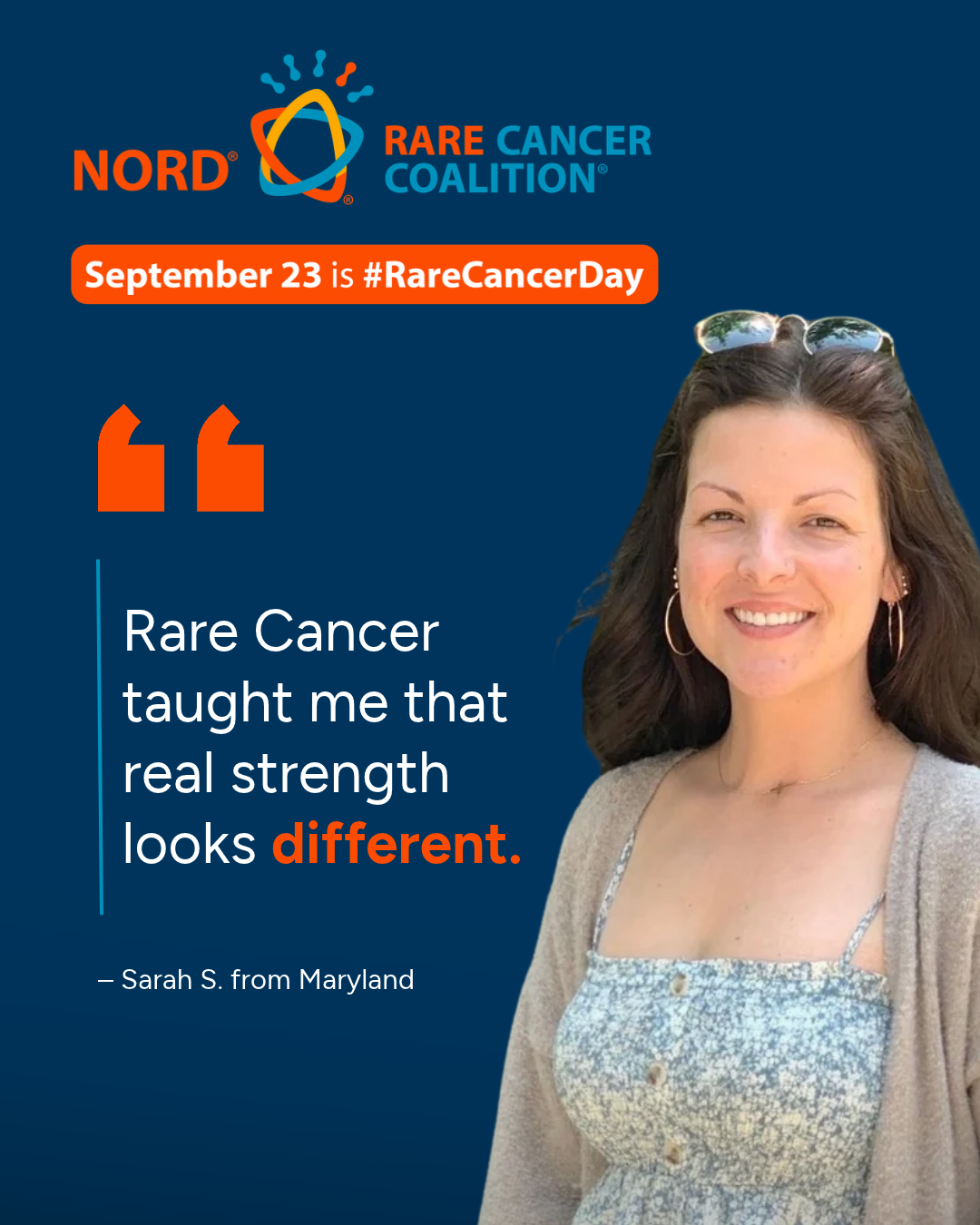
In recognition of Rare Cancer Day, the National Organization for Rare Disorders (NORD) has shared the powerful, firsthand account of Sarah S. from Maryland, whose journey through chronic pain ultimately led to an unexpected and life-altering diagnosis of stage 4 neuroendocrine cancer of the appendix. Her story sheds light on the often-overlooked realities of rare abdominal malignancies, the critical importance of patient advocacy, and the psychological weight of living with a disease that frequently evades conventional detection methods.
The Surgery That Changed Everything
In January 2023, Sarah believed she was finally reaching the end of a long and debilitating medical ordeal. For years, her body had been in what she describes as open rebellion. She navigated a daily gauntlet of extreme abdominal pain, stabbing cramps that frequently dropped her to the floor, fainting spells, and overwhelming fatigue. She struggled to eat, inadvertently dropping forty pounds in just a few months, and suffered through excruciating menstrual periods.
The physical toll disrupted every aspect of her life, leading to missed days at work, lost time with her family, and a staggering number of emergency room visits. Yet, for Sarah, the emotional toll of medical dismissal was just as painful as the physical symptoms. Time and again, her concerns were minimized or misunderstood by the medical establishment, leaving her to suffer without answers or validation.
Hope finally arrived when she secured an appointment with a female physician who took the time to listen. Following a comprehensive evaluation, Sarah was diagnosed with adenomyosis and endometriosis. For the first time in years, she felt a profound sense of relief, believing that someone was finally taking her chronic pain seriously.
This validation led to a scheduled hysterectomy on January 28, 2023. Sarah went into the operating room anticipating that the procedure would close a painful chapter of her life, completely unaware that it would inadvertently open an entirely new and far more complex one.
During the hysterectomy, her surgeon noticed that her appendix appeared abnormal. While Sarah remained unconscious under anesthesia, the surgeon contacted her husband, Andy, to request permission to remove the organ. Andy agreed without hesitation—a split-second decision that would ultimately save Sarah’s life.
A Diagnosis That Arrived Quietly
The revelation came just days later on February 3, delivered not through an in-person consultation or a phone call, but via a MyChart digital notification. The message contained a diagnosis that fundamentally altered her future: neuroendocrine cancer of the appendix.
The discovery was entirely incidental. Prior to the surgery, no diagnostic scans had flagged the malignancy, no routine blood tests had raised alarms, and standard pathology reports had not even hinted at the possibility of cancer. The only reason the disease was identified at all was because a perceptive surgeon was physically inside the abdominal cavity and recognized tissue that did not belong.
Just five days after receiving the message—and the day before her 38th birthday—Sarah and her husband met with Dr. Armando Sardi, a specialist in rare abdominal cancers. During that consultation, Dr. Sardi delivered a devastating prognosis, informing them that she had stage 4 disease and that there was no known cure.
The transition from planning her post-operative recovery to confronting her own mortality happened in less than a week, leaving her stunned and breathless. Dr. Sardi outlined an aggressive, highly specialized procedure known as cytoreductive surgery combined with hyperthermic intraperitoneal chemotherapy (CRS/HIPEC). Designed to remove visible tumors and treat the abdominal cavity directly with heated chemotherapy, the intensive intervention was not a cure, but it offered a critical window to extend her life.
When Sarah worried aloud about having to cancel an upcoming family vacation, Dr. Sardi offered a moment of profound grounding. Reaching across the desk to take her hands, he looked her in the eyes and told her to go on the trip with her family, assuring her that she was not dying the next day. That simple act of human empathy anchored her, reminding her that she was still very much alive.
Living with What Can’t Be Seen
Following their return home, Sarah’s surgery was scheduled for April 20, 2023. Dr. Sardi successfully removed all visible disease, taking out everything that could be detected with the naked eye. While Sarah woke up exhausted, sore, and deeply grateful, the nature of her diagnosis left behind a persistent shadow of uncertainty.
Before the incidental appendectomy, pathology reports had never shown visible cancer, though microscopic cancer cells were present—too diminutive to be detected by standard imaging scans or blood tests. This microscopic reality is where Sarah’s lingering fear remains rooted.
Her medical history included an encounter a decade prior in 2013, when a surgeon had remarked to her and her husband that she must be "one tough cookie," theorizing at the time that she had simply suffered through and recovered from a bout of appendicitis. Back then, the appendix was left intact, and no one suspected the presence of an underlying malignancy.
Consequently, whenever Sarah experiences physical illness today—an occurrence that happens frequently—she must navigate a complex psychological reality. She deals with severe physiological episodes multiple times a day that leave her profoundly unwell, yet routine diagnostic monitoring shows no clear signs of recurrence. She exists indefinitely in the tense space between a clean scan and the knowledge that previous tests failed to detect the cancer in the first place.
This heavy uncertainty has forced a profound shift in her perspective on resilience and personal strength.
Redefining Strength and Service
For much of her life, Sarah equated strength with endurance—pushing through physical agony, ignoring warning signs, and proving her capacity to shoulder immense burdens. Cancer fundamentally dismantled that definition, teaching her that true strength looks entirely different.
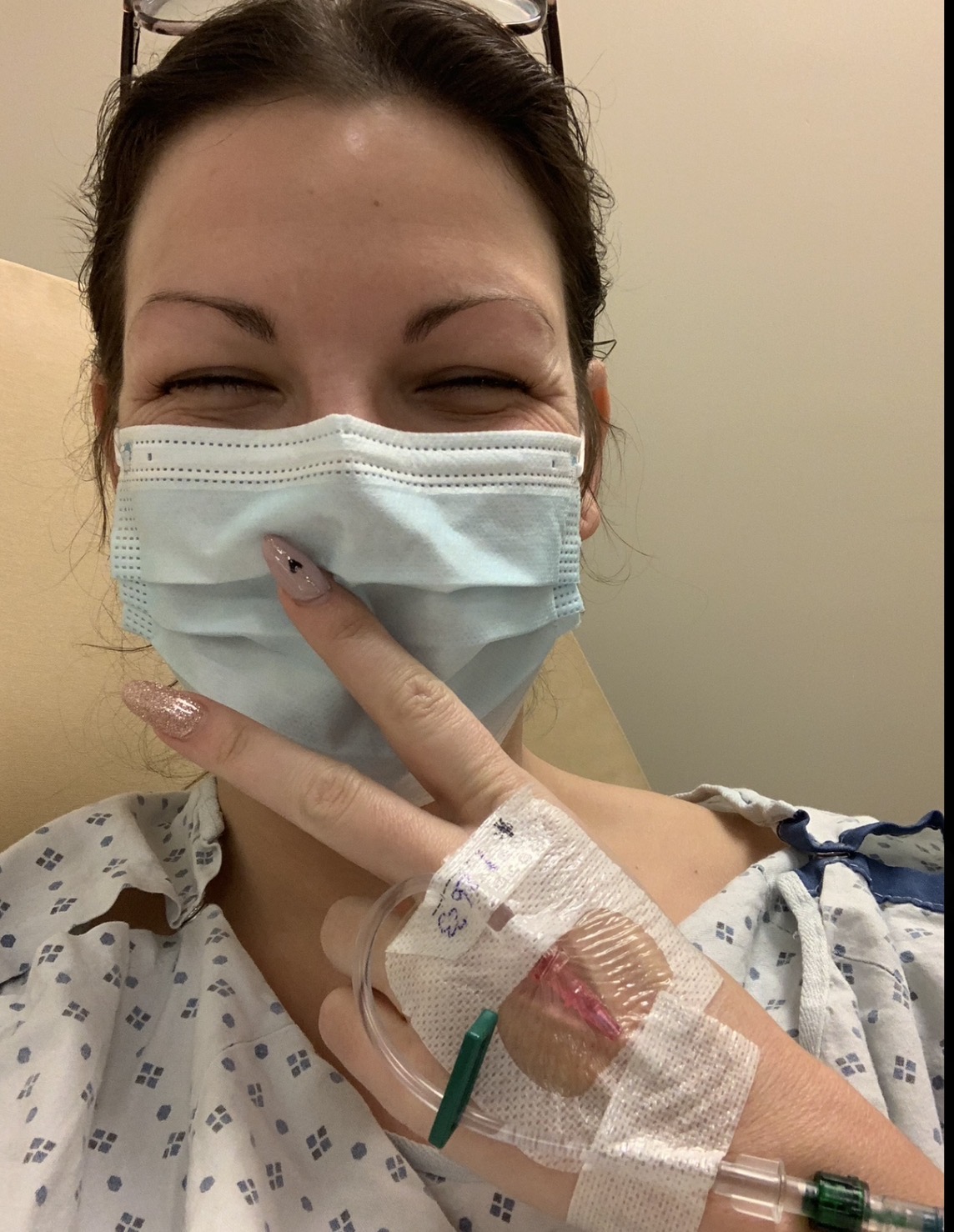
Today, she views strength as the act of listening to one’s body when something feels fundamentally wrong. It is advocating for oneself in medical settings when dismissive attitudes prevail, and it is allowing fear to exist without permitting it to hijack the present moment.
The disease carried away significant portions of her established life, including her career as an educator. Having joined the Air Force in 2004 to earn the GI Bill, she met her husband along the way and ultimately completed her master’s degree in 2016. She spent eight years teaching history, civics, geography, and language to children, and letting go of that professional identity was a devastating loss. Yet, her commitment to service remained intact.
Channeling her experiences into advocacy, Sarah became an active volunteer with the Abdominal Cancers Alliance, working to raise public and medical awareness regarding rare and advanced abdominal malignancies. She continues to show up for others walking a similar path, offering particular support to patients who feel dismissed, unseen, or overwhelmed by the invisible nature of their diagnoses.
Choosing Hope Without Certainty
Sarah does not approach her condition through the lens of denial, but rather through clear-eyed awareness. She recognizes that her cancer may never manifest in a predictable manner, and that the specter of fear may always linger nearby. Even so, she refuses to view herself as powerless.
Choosing to live fully within the time she has, she prioritizes human connection over isolation, presence over panic, and advocacy over silence. Her message to newly diagnosed patients, those grappling with scan anxiety, or individuals carrying the psychological weight of a non-conformant cancer is clear: experiencing fear does not make someone weak, needing reassurance is not a failure, and no patient is truly alone.
True hope, in her view, does not require absolute certainty. Often, it is simply the decision to keep moving forward when the path ahead remains obscured.
What began as years of ignored physical pain and an invisible malignancy has evolved into a daily practice of gratitude, resilience, and a steadfast belief in the necessity of being heard and believed. Sarah S. is still here, and in the landscape of rare cancer advocacy, her voice matters.