
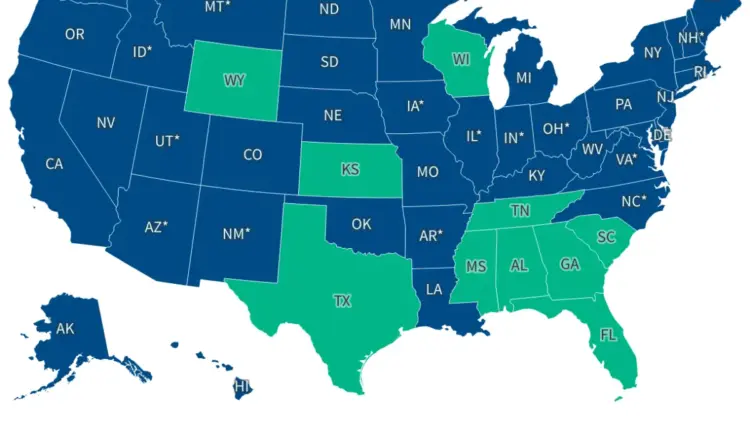
More than a decade after the landmark implementation of the Affordable Care Act, the national landscape surrounding public health coverage continues to evolve, with a significant majority of states having embraced the federal-state healthcare program designed to protect low-income individuals. According to the latest tracking and analysis conducted by KFF, a total of 41 states, including the District of Columbia, have officially adopted the Affordable Care Act’s Medicaid expansion. Meanwhile, 10 holdout states have chosen not to adopt the program, leaving a distinct regional patchwork of healthcare accessibility across the country.
The Affordable Care Act’s Medicaid expansion fundamentally transformed the nation’s social safety net by extending health insurance eligibility to nearly all adults with household incomes up to 138 percent of the Federal Poverty Level. For an individual, that income threshold equates to $21,597 based on the 2025 federal poverty guidelines. To incentivize participation, the federal government provided participating states with an enhanced federal matching rate, commonly referred to as the FMAP, covering a substantial majority of the costs associated with the newly eligible expansion populations.
Despite the substantial federal financial support, the decision to adopt the expansion has remained a point of deep political and fiscal division. The current status of each state, meticulously mapped and updated by healthcare policy analysts, highlights a persistent divide in health policy priorities. While the majority of the nation has integrated the expansion into their public health frameworks, the remaining non-expansion states continue to grapple with intense internal debates, legislative maneuvers, and shifting political dynamics regarding whether to open the program to their low-income residents.
To provide transparency and up-to-date insights into these evolving state policies, comprehensive data and visual resources, including detailed choropleth maps tracking state actions, have been made publicly available. Analysts and policymakers frequently utilize these tracking mechanisms to monitor legislative actions, executive initiatives, and voter-led efforts across the country.
The tracking of state activity reveals a complex ecosystem of policy changes that extend well beyond simple adoption or rejection. For states that have already embraced the expansion, recent policy developments often center on efforts to introduce new rules, limits, or administrative requirements for the expansion population. A primary vehicle for these changes has been the pursuit of Section 1115 waivers, which allow states to test new approaches within their Medicaid programs, occasionally incorporating work requirements or other stipulations that must first win federal approval.
Conversely, in states that have historically resisted the expansion, recent legislative and executive actions demonstrate that the debate is far from static. Observers tracking non-expansion jurisdictions regularly document active legislative measures, such as bills successfully passing through at least one legislative chamber or committee, as well as executive initiatives driven by gubernatorial budget proposals, executive orders, and major policy announcements. In some instances, grassroots efforts have taken the form of voter-led ballot initiatives designed to bypass legislative gridlock and put the expansion question directly to the electorate.
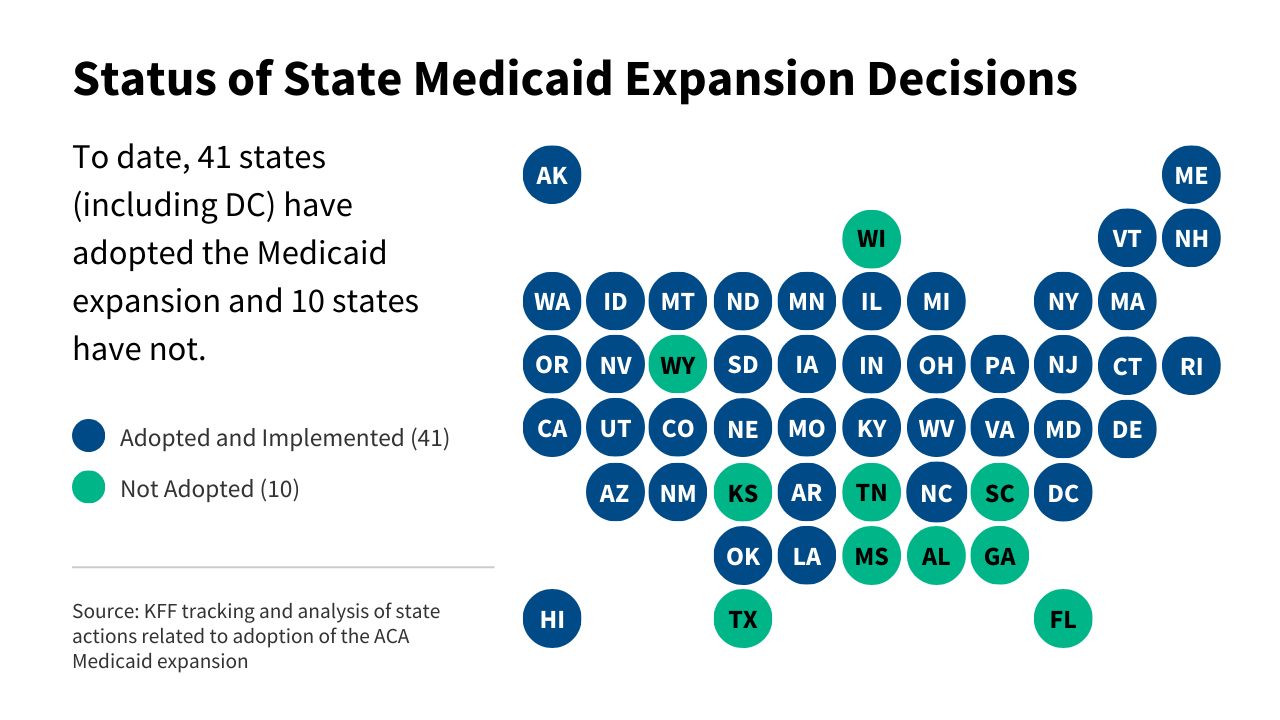
Furthermore, policy discussions in several states have occasionally involved limited coverage expansions. Healthcare experts note that these targeted initiatives generally do not qualify as full Affordable Care Act Medicaid expansions and, crucially, do not qualify for the enhanced federal matching funds that accompany the federal program. These smaller-scale interventions highlight the ongoing search for alternative healthcare solutions in states that remain hesitant to adopt the broader federal model.
A particularly intricate area of current state policy involves the presence of statutory "trigger" laws tied to the share of federal funding. These provisions are designed to automatically alter or terminate a state’s Medicaid expansion if federal matching rates fall below a certain threshold or if specific federal policy shifts occur. Recent tracking highlights how prominent these triggers have become in legislative discussions. For example, South Dakota and West Virginia have considered or enacted measures to put trigger laws in place, reflecting ongoing anxieties over future federal fiscal commitments.
In Virginia, legislative battles over these mechanisms have played out in real time. A notable budget amendment was introduced that sought to remove the automatic termination of the expansion from the state’s trigger law. Instead of an automatic cutoff, the proposal would have required a designated legislative committee to develop comprehensive recommendations on how the state could adjust to any potential future loss of federal funding. Although the amendment ultimately failed to secure inclusion in the final budget, it underscored the contentious nature of fiscal reliance on federal health programs.
Similar efforts to scale back or entirely remove trigger laws have emerged in other parts of the country. Lawmakers in states such as Illinois and North Carolina have introduced legislative proposals aimed at dismantling or modifying these automatic rollback mechanisms, signaling a desire to secure long-term stability for enrolled populations against the backdrop of shifting federal budgets and political climates.
As healthcare analysts at organizations like KFF and the Georgetown Center for Children and Families continue to monitor these developments, the future of the nation’s public health safety net remains closely tied to state-level decisions. The ongoing interplay between federal funding incentives, state legislative maneuvering, and executive policymaking ensures that the status of Medicaid expansion will remain a central focus of American healthcare policy for the foreseeable future.



