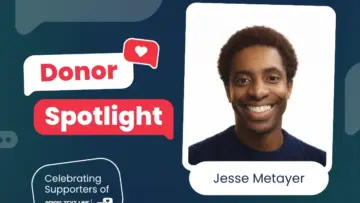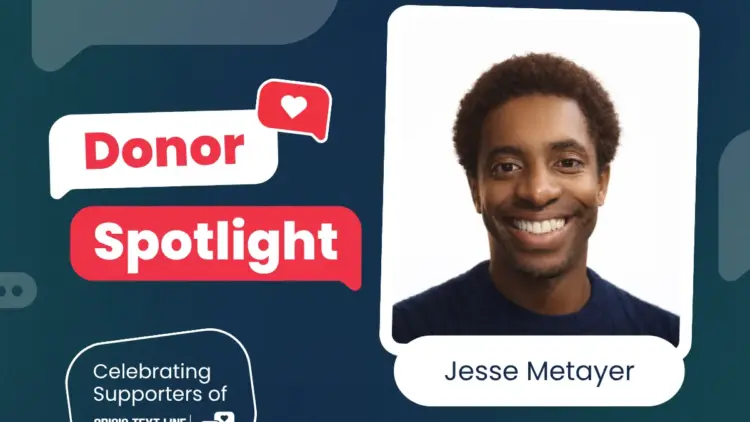
Every text message received by crisis intervention services is answered because someone believed it mattered enough to make that connection possible. For Crisis Text Line, individuals who step forward to fund and support these vital operations form the backbone of a free, 24/7 lifeline. This month, the organization is shining a spotlight on Jesse Meyer, a donor, volunteer, and dedicated mental health advocate whose personal journey with emotional well-being has shaped a lifelong commitment to showing up for others in their hardest moments.
Meyer’s generosity directly contributes to training the Crisis Counselors who field urgent messages from individuals facing acute emotional distress. Beyond financial contributions, Meyer has dedicated his time to undergoing the rigorous training required to sit on the frontline of crisis response. His story offers a powerful look into how personal struggles can be transformed into empathy, breaking down long-standing stigmas surrounding mental health care and demonstrating the profound impact of compassionate listening.
Overcoming Stigmas and Finding Help
Meyer’s dedication to mental health advocacy is deeply rooted in his own formative years. Growing up, he spent much of his childhood feeling different from his peers. Placed in learning disability classes throughout school, he worked hard to hide the daily challenges he faced academically and socially. By the time he turned eighteen, the accumulated weight of those struggles led him to drop out of college, after which he began to actively isolate himself from friends and family.
In what he describes as his darkest moment, Meyer felt that all hope was gone. Recognizing that he could no longer manage the emotional toll on his own, he made the courageous decision to reach out for professional help. That single decision marked a turning point in his life.
When he entered therapy, he encountered a professional who listened with empathy, providing the emotional support and practical resources he desperately needed. Through this guidance, Meyer was able to gradually improve his mental health and regain a sense of stability.
Reflecting on that period, Meyer noted that the experience completely shifted his perspective on mental health care. He once held the common misconception that therapy was exclusively intended for individuals dealing with severe mental illnesses. Experiencing therapy firsthand shattered that stigma, teaching him that anyone, at any given moment, can experience profound difficulties in life and benefit from professional support.
From Training to Transformation: Turning ‘Hot Moments’ into ‘Cool Moments’
That foundational experience inspired Meyer to get involved with Crisis Text Line, first as a donor to ensure the platform remained sustainable, and later as a volunteer Crisis Counselor. Going through the organization’s intensive six-week training program equipped him with evidence-based emotional de-escalation techniques.
Those techniques quickly transitioned from theory into practice when Meyer began handling live conversations with texters facing severe crises. In the field, he learned how to navigate initial conversations marked by high emotional intensity—what counselors refer to as "hot moments"—and guide them toward stability, or "cool moments."
By the time these conversations conclude, Meyer has frequently been able to help texters reach a place of empowerment. The satisfaction of knowing he can make a tangible difference in someone else’s life reinforces his commitment to the work week after week.
According to Meyer, supporting mental health initiatives like crisis intervention is critical because individuals suffering from emotional distress are often the people we encounter first in our daily lives. Trained volunteers stand ready to help brave individuals navigate their immediate pain, calm their nervous systems, and encourage them to seek ongoing professional help as soon as the conversation ends.
Through this work, Meyer discovered that listening is not merely a passive act, but a learned skill that cultivates patience and sharpens critical thinking. Effective listening requires fully understanding a person’s words, underlying emotions, and specific needs without jumping to conclusions.
The Dual Impact of Giving and Volunteering
For Meyer, the decision to prioritize Crisis Text Line in his philanthropic giving stems from a clear vision of impact. The platform provides free, confidential, 24/7 mental health support to anyone in need, anywhere and at any time. His financial support helps maintain the infrastructure that keeps the service operational, while his volunteer work directly translates that funding into human connection.
Being consistently available reassures texters that they are not forgotten and that support is always within reach. On many occasions, texters express genuine gratitude at the conclusion of a conversation. For Meyer, these moments provide a deep sense of validation, gratitude, and self-worth. By simply showing up and listening with profound compassion, he helps individuals step back from the brink of despair.
The act of giving back has also profoundly influenced Meyer’s personal and professional life outside of volunteering. Helping others navigate psychological distress has taught him valuable lessons in emotional regulation. He has learned never to make important decisions when his emotions are running high. Slowing down, clearing his mind, and applying critical thinking have become daily habits.
He brings that exact same patience and empathy to stressful situations in his personal life. Volunteering has reinforced the importance of listening before judging, a practice that helps him understand the full picture in interpersonal conflicts and prevents unfair misunderstandings when supporting friends and family.
Building Resilience and Looking Forward
Maintaining his own mental health is a priority for Meyer, who balances his advocacy work with personal routines that bring him joy and tranquility. He regularly attends church, goes to the gym, and takes long walks in local parks. Additionally, he pours his energy into personal creative projects, such as developing the StarTalk app, which provides a welcome outlet for focus and relaxation.
When asked what he would say to others considering donating to Crisis Text Line, Meyer emphasizes the broad scope of human suffering the platform addresses. Donors help individuals dealing with natural disasters, systemic poverty, war, and a wide array of personal hardships. By keeping the service entirely free, donors ensure that those who need emotional assistance the most are not barred from receiving it by financial constraints.
Donors serve as the essential backbone that keeps the digital platform active around the clock. For anyone currently struggling, Meyer offers a simple, direct message rooted in his own journey: you are never alone, and reaching out for help is always the courageous first step toward hope.