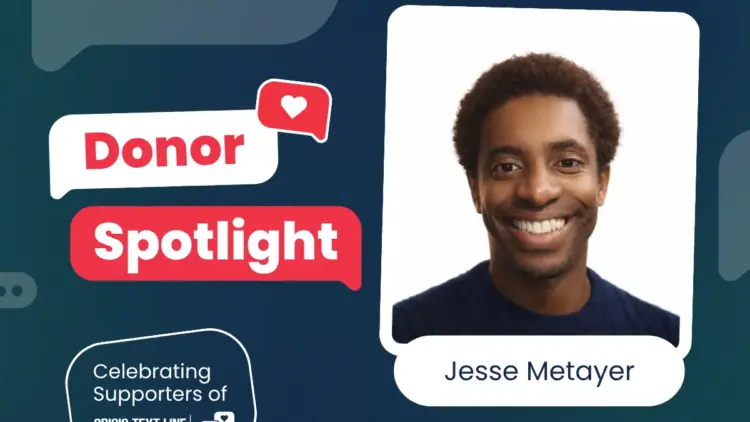
Every text message received by a crisis intervention service is answered because someone believed it mattered enough to make that connection possible. For Crisis Text Line, supporters who contribute their time, resources, and dedication form the backbone of a 24/7 lifeline that ensures individuals in distress are never truly alone. This month, the organization is shining a spotlight on Jesse Meyer, a donor, volunteer, and mental health advocate whose generosity directly helps train the compassionate Crisis Counselors who show up for texters during their most difficult moments.
Meyer’s journey to becoming a pillar of support for others is deeply rooted in his own personal history. Reflecting on his formative years, Meyer shares how overcoming early struggles and discovering the transformative power of therapy shaped his outlook on life. In an in-depth conversation, he discusses how breaking down personal stigmas allowed him to heal, the specific emotional techniques he uses to guide texters from moments of crisis to empowerment, and the personal projects that bring him tranquility and joy.
Overcoming Stigma and Finding a Path Forward
Reflecting on his childhood and early adulthood, Meyer opens up about the profound isolation he experienced during his formative years. For much of his youth, he felt different from his peers, navigating learning disability classes throughout school while trying to conceal how challenging everyday academics and social interactions were for him. The pressure eventually culminated when he made the difficult decision to drop out of college at the age of eighteen, entering a period of deep isolation where his mental health deteriorated significantly.
In what he describes as his darkest moment, Meyer felt as though all hope had vanished. Faced with overwhelming emotional distress, he made the pivotal decision to reach out for professional help—a choice that fundamentally altered the trajectory of his life. Connecting with a therapist who listened with genuine empathy, provided emotional support, and shared vital resources allowed Meyer to steadily rebuild his mental health and regain a sense of stability.
That transformative experience opened his eyes to the critical importance of seeking professional guidance when emotional burdens become too heavy to bear alone. Like many individuals, Meyer previously held misconceptions about mental healthcare, admitting that he once believed therapy was exclusively intended for people suffering from severe mental illnesses. Experiencing the benefits firsthand shattered that untrue stigma, teaching him that anyone, at any given moment, can encounter unexpected difficulties in life and deserve a safe space to heal.
From Training to Transformation: Guiding Texters Through Crisis
Driven by the positive impact therapy had on his own life, Meyer chose to give back by joining Crisis Text Line as a volunteer. After completing a rigorous, free six-week training program provided by the organization, he acquired essential emotional de-escalation techniques that he now regularly applies when answering texts from individuals facing acute distress.
Through active listening and structured guidance, Meyer has successfully transformed what he refers to as "hot moments" during initial conversations into "cool moments" of reflection and clarity. By the time a conversation concludes, these techniques often guide texters to a place of personal empowerment. For Meyer, experiencing those successful interactions brings a profound sense of satisfaction, knowing that his presence and attention have made a tangible difference in someone else’s life.
This hands-on volunteering has also reshaped how Meyer approaches interpersonal communication in his everyday life. He notes that listening is a learned skill that cultivates patience and sharpens critical thinking, enabling people to truly understand another person’s words, emotions, and underlying needs. By learning to slow down and refrain from making hasty decisions when emotions run high, Meyer has strengthened his own capacity to handle stressful situations. He brings that same patience and empathy to his relationships with friends and family, recognizing that listening before making judgments prevents unfair misunderstandings and provides a clearer picture of any situation.
The Impact of 24/7 Free Mental Health Support
As both a donor and a volunteer, Meyer strongly prioritizes Crisis Text Line in his philanthropic efforts because of the organization’s unique accessibility. Providing free, confidential, and 24/7 mental health support ensures that individuals suffering from emotional distress can reach out at any hour of the day or night without financial barriers standing in their way.
For Meyer, the reciprocity of the experience is deeply rewarding. There have been numerous occasions where a texter has expressed heartfelt gratitude at the end of a conversation, validating the importance of simply being present and offering nonjudgmental compassion. These moments reinforce his self-worth and fuel his ongoing commitment to the platform. Furthermore, Meyer credits the organization’s coaches and supervisors—who remain readily available to answer questions and provide ongoing support—for helping him continuously refine his listening skills and empathy.
When considering individuals who might be hesitant to donate or seek help, Meyer emphasizes the broad scope of hardships people face daily, ranging from disasters and systemic poverty to war and personal trauma. Keeping the platform free and active relies entirely on the generosity of supporters who act as the backbone of the organization. To anyone struggling with their mental health, Meyer offers a reassuring message rooted in his own lived experience: you are never alone, and reaching out for help is always the first courageous step toward hope.
Outside of his volunteer work and philanthropic contributions, Meyer maintains a balanced approach to his own mental well-being. He nurtures his mental health through regular attendance at church, visits to the gym, and taking long, grounding walks in local parks. Additionally, he finds joy and tranquility in working on personal creative endeavors, such as developing the StarTalk app, ensuring he maintains a healthy equilibrium between supporting others and caring for himself.