Across rural America, a combination of vast geographic isolation and a severe shortage of mental health professionals can quickly transform everyday personal distress into a full-scale crisis. For many residents living miles away from the nearest clinic or hospital, digital and text-based support systems have emerged as a vital, low-barrier lifeline when traditional in-person care is completely out of reach.
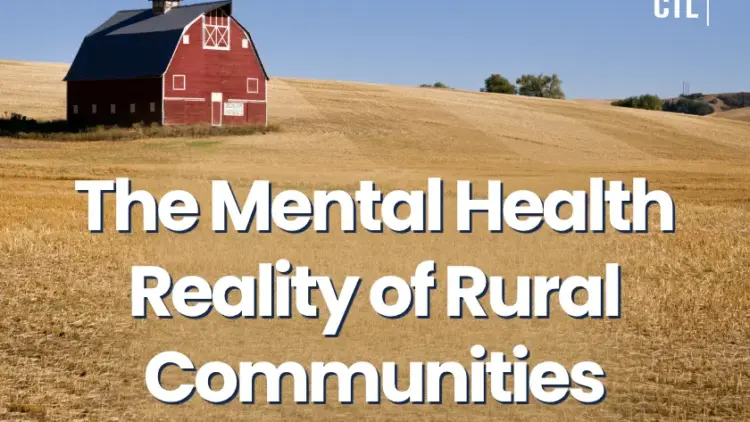
Addressing this critical public health issue, the Crisis Text Line has released a comprehensive new report titled Understanding Rural America. The publication offers an in-depth examination of the unique experiences, daily stressors, and coping mechanisms reported by individuals reaching out for psychological support from remote and agricultural communities throughout the United States.
According to the data gathered by the organization, approximately 12% of their total conversation volume originates from rural ZIP codes. Many of the individuals who text the service do so because they have no alternative resources available to them locally. Between 2019 and 2024, the organization supported more than 425,000 distinct conversations with people experiencing acute psychological distress in rural areas. By analyzing these de-identified transcripts, researchers aimed to paint a clearer picture of the specific hardships rural populations face and the systemic gaps that leave them vulnerable.
The findings point to several stark realities regarding the state of mental healthcare outside of major metropolitan areas.
Among the primary takeaways, the report reveals that 63% of rural texters initiated contact because they had no one else in their immediate social circles to talk to. Furthermore, nearly four out of ten respondents reported having absolute zero access to a professional therapist within their geographic region. For these communities, text-based crisis intervention functions far beyond a mere supplementary tool; for many, it represents the single primary source of mental healthcare available.
When examining the specific issues driving individuals to seek help, the data shows that depression and persistent sadness top the list at 37%, closely followed by relationship struggles at 36%, anxiety and chronic stress at 34%, thoughts of suicide at 26%, and acute feelings of isolation or loneliness at 20%. This distribution highlights a complex mental health landscape where psychological distress is driven just as powerfully by environmental isolation as it is by any single clinical diagnosis.
The report also sheds light on gender-specific vulnerabilities, noting that boys and men in rural communities face psychological isolation with particular severity. Male texters from rural areas mentioned experiencing depression or sadness in 41% of their conversations. Additionally, nearly one in four specifically cited feelings of isolation or loneliness. Analysts suggest this trend indicates that traditional rural masculinity norms—which often discourage emotional vulnerability—may compound the inherent challenges of geographic isolation.
Public health advocates emphasize that these figures represent far more than abstract data points. Instead, they serve as a geographical map charting precisely where the nation’s mental health safety net is worn thinnest. Rural areas have long documented a severe shortage of psychiatric providers, counselors, and social workers. This new report demonstrates the real-world human impact of that shortage, illustrating how ordinary citizens are forced to rely on text messaging services simply because there are no other options left in their communities.
The release of the report underscores the ongoing efforts by research teams to utilize near-real-time analysis of crisis interactions to inform public policy and community action. By collaborating regularly with local community organizations, philanthropic funders, and policymakers, organizations like Crisis Text Line aim to integrate these conversational insights with broader public health data. Such efforts help regional partners better understand emerging needs, deploy resources where they can achieve the maximum impact, and strengthen local advocacy initiatives.