Every text received by crisis intervention services is answered because someone believed it mattered enough to make it possible. For many individuals navigating their darkest moments, that vital lifeline represents the difference between despair and finding a path forward. Behind the scenes of these critical interventions are donors, volunteers, and advocates whose generosity and time keep free mental health resources accessible around the clock.
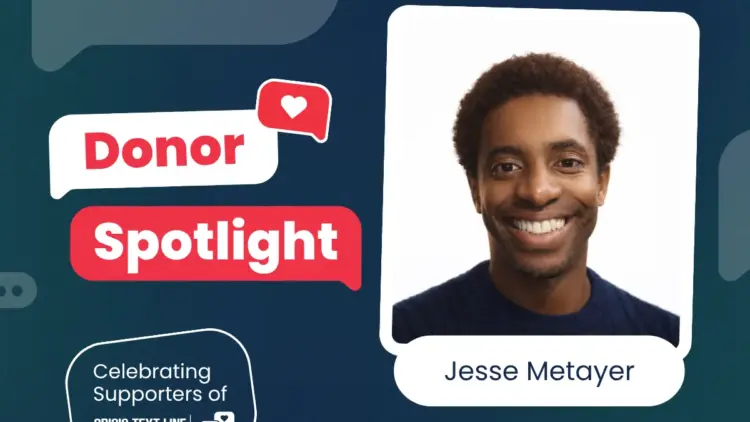
In a recent spotlight interview, donor, volunteer, and mental health advocate Jesse Meyer shared his personal journey from isolation and stigma to finding profound purpose in showing up for others. His contributions and active involvement help train the Crisis Counselors who stand ready to support texters when they need it most, illustrating the powerful ripple effect that compassionate listening and accessible mental health support can have on individuals and communities alike.
Breaking Down the Stigma of Therapy
Meyer’s commitment to mental health advocacy is deeply rooted in his own life experiences. Reflecting on his childhood and early adulthood, he recalls feeling different from his peers. Throughout school, he spent time in learning disability classes and worked hard to hide how difficult everyday tasks and academic expectations were for him.
At the age of 18, Meyer dropped out of college and began to isolate himself from friends and family. During what he describes as his darkest moment, he felt that all hope was gone. Faced with overwhelming emotional distress, he made the decision to reach out for professional help—a pivotal choice that fundamentally altered the trajectory of his life.
His therapist listened with empathy, providing essential emotional support and practical resources that Meyer utilized to gradually improve his mental health. That formative experience demonstrated the critical importance of seeking professional assistance when emotional burdens become too heavy to bear alone.
Reflecting on his initial hesitation, Meyer noted that he used to believe therapy was exclusively intended for individuals dealing with severe mental illnesses. He now recognizes that misconception as a pervasive and untrue stigma. In reality, anyone, at any given moment, can experience profound difficulties in life, and seeking help is a sign of strength rather than weakness.
Transforming Crisis Moments Through Empathy and Training
Inspired by his own healing journey, Meyer chose to give back by joining Crisis Text Line as a volunteer. Through a comprehensive, free six-week training program, he learned essential emotional stabilization techniques designed to de-escalate acute distress.
These evidence-based communication strategies have proven invaluable during his interactions with texters reaching out for help. By applying the listening and de-escalation skills acquired during his training, Meyer has repeatedly experienced the profound shift of turning initial high-stress conversations—often referred to as "hot moments"—into calmer, more manageable interactions, known as "cool moments." By the conclusion of these chats, he is able to guide texters toward a sense of empowerment and encourage them to connect with ongoing professional resources.
For Meyer, the satisfaction of knowing he can make a tangible difference in someone else’s life serves as a powerful motivator. The experience has also reinforced his belief in the fundamental importance of mental health initiatives, particularly crisis intervention. Because individuals suffering from emotional distress are often the first people encountered in daily life, learning how to respond with patience and critical thinking is a vital community skill.
Meyer emphasizes that listening is not merely a passive act, but a learned skill that requires patience, deep concentration, and critical thinking. Effective listening enables a person to truly comprehend another’s words, underlying emotions, and specific needs, paving the way for meaningful connection and support.
The Impact of 24/7 Accessible Mental Health Support
The availability of round-the-clock, free mental health support plays a critical role in modern crisis intervention. When texters reach out at any hour of the day or night, the immediate response reassures them that they are not alone in their struggles.
Meyer notes that texters frequently express deep gratitude at the conclusion of their conversations with counselors. This feedback provides him with a profound sense of validation, gratitude, and self-worth. By simply being present and listening with compassion, volunteers can help individuals navigate seemingly insurmountable obstacles.
Beyond his volunteer work, Meyer prioritizes Crisis Text Line in his philanthropic giving because of the tangible impact the organization achieves. The platform provides free, confidential, 24/7 mental health support to anyone in need, funded in part by the generosity of donors. Through his involvement as both a donor and a volunteer, Meyer has strengthened his own listening skills and empathy while offering nonjudgmental emotional support to individuals facing acute hardship.
He also credits the robust support system within the organization—including readily available coaches and supervisors who answer questions and provide ongoing guidance—for making his volunteer work a sustainable and rewarding experience.
Personal Growth and Managing Stress
Giving back to a cause deeply aligned with his personal values has profoundly impacted Meyer both personally and professionally. Witnessing the relief of individuals suffering from psychological distress brings him a deep sense of fulfillment.
Furthermore, the principles he practices while counseling texters have influenced how he manages his own life. He has learned the importance of pausing before making decisions when emotions run high. Slowing down helps clear the mind and strengthens critical thinking skills, a practice he applies to stressful situations in his daily life.
Volunteering has reinforced the lesson that listening before judging is essential for understanding the full picture and preventing misunderstandings in personal relationships with friends and family. To maintain his own mental health and overall well-being, Meyer engages in a balanced routine that includes attending church, volunteering, working on personal creative endeavors such as the StarTalk app, visiting the gym, and taking long, reflective walks in local parks.
A Call to Action for Compassionate Support
For individuals considering supporting crisis intervention platforms through charitable donations, Meyer offers a clear perspective. Donors serve as the financial backbone that keeps such services free, active, and accessible 24/7 for people in need of emotional support.
Contributions directly assist individuals dealing with a wide range of hardships, including natural disasters, systemic poverty, conflict, and personal crises. By keeping these resources free of charge, donors ensure that those who need emotional assistance the most receive timely help that might otherwise be financially out of reach.
For anyone currently struggling with emotional distress, Meyer’s message remains steadfast: you are not alone, and reaching out for help is the vital first step toward hope and healing.