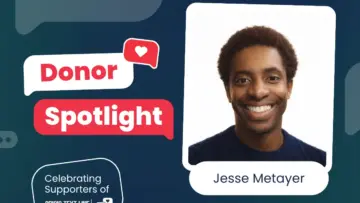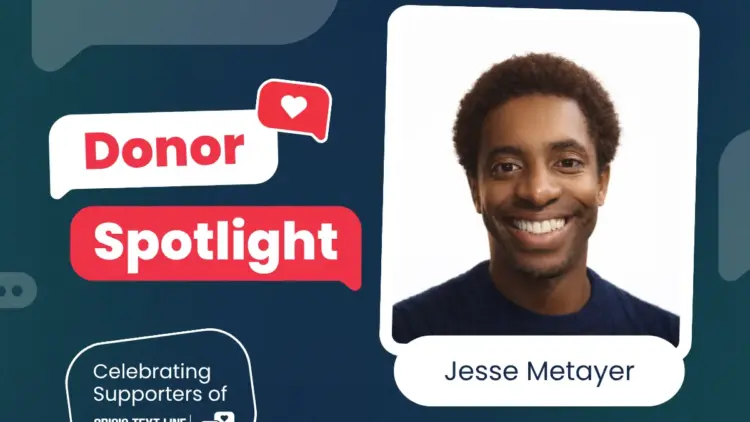
Every text message received by a crisis intervention platform is answered because someone believed it mattered enough to make that connection possible. For many individuals facing their darkest hours, that connection represents a vital lifeline. This month, Crisis Text Line is shining a spotlight on Jesse Meyer, a dedicated donor, volunteer, and mental health advocate whose ongoing generosity directly helps train the Crisis Counselors who show up for texters during their most challenging and overwhelming moments.
Through his unique perspective as both a financial supporter and an active volunteer, Jesse offers a profound look into the transformative power of empathy, the importance of breaking down the lingering stigmas surrounding mental health care, and how the act of listening can fundamentally change both a stranger’s life and one’s own.
Overcoming Stigma and Finding Hope Through Therapy
Jesse’s personal journey toward mental health advocacy was forged through his own experiences with hardship, isolation, and learning challenges during his youth. Reflecting on his early years, Jesse shares that he spent a significant portion of his childhood feeling fundamentally different from his peers. He navigated learning disability classes throughout his school years, constantly striving to hide how difficult everyday academic and social situations were for him.
The pressure culminated when he dropped out of college at the age of eighteen and began the painful process of isolating himself from the world around him. In what he describes as his darkest moment, Jesse reached a point where he felt completely devoid of hope. It was at that critical juncture that he made the decision to reach out and ask for help, a single choice that set the stage for a profound transformation in his life.
When Jesse connected with a therapist, he experienced a level of understanding that he had not previously encountered. His therapist listened with deep empathy, providing essential emotional support and practical resources that Jesse was ultimately able to utilize to rebuild and improve his mental health. That pivotal experience demonstrated to him the critical importance of seeking professional help during moments when all hope feels lost.
Reflecting on his past misconceptions, Jesse notes that he used to believe therapy was exclusively reserved for individuals suffering from severe mental illnesses—a pervasive societal stigma that he now recognizes as entirely untrue. Through personal experience, he came to understand that anyone, at any given moment in their lives, can experience overwhelming difficulties and deserve a safe space to heal.
Transforming Crisis Through Specialized Training
Jesse’s commitment to supporting individuals in crisis extends far beyond financial contributions; he has dedicated his time and energy to serving directly on the front lines as a volunteer Crisis Counselor. Preparing for this role involved completing a rigorous, free six-week training program provided by Crisis Text Line, where he acquired specialized emotional techniques designed to de-escalate acute psychological distress.
Those learned techniques quickly proved invaluable in real-world scenarios. In his conversations with texters reaching out for immediate help, Jesse has successfully utilized these emotional frameworks to de-escalate what he characterizes as "hot moments" during initial exchanges. By guiding these high-stress interactions with patience and active listening, he has been able to help transition texters into "cool moments," ultimately guiding them toward a place of calm and personal empowerment by the conclusion of their chats. For Jesse, the profound satisfaction of knowing he can make a tangible, positive difference in someone else’s life serves as a powerful motivator to keep showing up.
The Vital Importance of Accessible Mental Health Initiatives
Supporting mental health initiatives, particularly those focused on immediate crisis intervention, is a cornerstone of Jesse’s philanthropic and volunteer efforts. He emphasizes that individuals suffering from acute emotional distress are often the people we encounter first in our daily lives, making widespread, accessible support networks an absolute necessity for society.
Through his extensive training, Jesse has learned how to effectively support brave individuals who reach out for help, guiding them through intense emotional peaks and encouraging them to seek professional assistance immediately following their interactions on the platform. Furthermore, he points out that listening is a learned skill that actively cultivates patience and enhances critical thinking abilities. True listening requires a genuine commitment to understanding a person’s specific words, underlying emotions, and immediate needs rather than simply waiting for one’s turn to speak.
The Mutual Rewards of Compassionate Service
The impact of Jesse’s contributions is felt directly by the texters who utilize the service, but the experience has also profoundly shaped his own personal and professional outlook. Knowing that Crisis Text Line provides free, confidential mental health support twenty-four hours a day, seven days a week, gives texters the reassurance that they can reach out at any hour of the day or night without financial barriers.
At the end of many conversations, texters express genuine gratitude to their counselors. For Jesse, these moments generate a deep sense of validation, personal gratitude, and self-worth. By simply being present and extending unconditional compassion, he has witnessed firsthand how a listening ear can help someone navigate a terrifying or overwhelming episode.
This reciprocal exchange of support drives his continued dedication as a volunteer. He notes that he feels an overwhelming sense of fulfillment when he is able to alleviate someone’s psychological distress, even momentarily, by offering a nonjudgmental space.
Applying Lessons of Empathy to Everyday Life
The skills and insights Jesse has gained through his involvement with Crisis Text Line have seamlessly integrated into his daily routine and personal philosophy. One of the most significant personal takeaways has been learning the importance of emotional regulation, particularly the realization that one should never make major decisions when emotions are running high. Slowing down, he explains, helps clear the mind and significantly strengthens critical thinking skills.
Jesse brings that exact same patience and empathy into stressful situations within his personal life. Volunteering with the organization has reinforced the vital lesson that one must always listen before making judgments. Doing so allows an individual to perceive the full picture, preventing unfair misunderstandings when supporting friends, family members, and colleagues through their own hardships.
Additionally, Jesse praises the robust support system provided by Crisis Text Line’s staff, noting that coaches and supervisors are always readily available to answer questions, provide guidance, and offer reassurance to volunteers navigating difficult conversations.
A Call to Support the Backbone of Free Crisis Care
When asked what he would say to others who are considering making financial donations or volunteering their time with Crisis Text Line, Jesse offers an urgent and compassionate plea. He underscores that donors directly aid people dealing with a wide array of severe hardships, including natural disasters, systemic poverty, armed conflict, and profound personal losses.
By ensuring that the platform remains entirely free, donors guarantee that individuals who need emotional assistance the most can receive immediate help that would otherwise be entirely inaccessible due to financial constraints. Donors form the foundational backbone that keeps the platform active and accessible around the clock for anyone in need of emergency emotional support.
For anyone currently struggling in silence, Jesse shares a final, reassuring message: you are never truly alone, and reaching out for help represents the courageous first step toward rediscovering hope.
Maintaining Personal Balance and Well-Being
To sustain his advocacy work and ensure his own mental health remains resilient, Jesse maintains a balanced lifestyle centered around personal well-being and creative fulfillment. He tends to his mental health by participating in church activities, continuing his volunteer work with Crisis Text Line, and dedicating time to personal projects such as the StarTalk app, which brings him a profound sense of joy and tranquility. Additionally, he prioritizes physical well-being through regular visits to the gym and taking long, restorative walks in local parks.