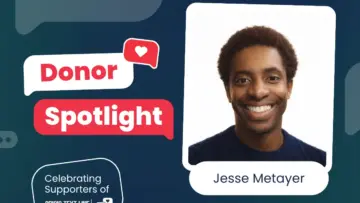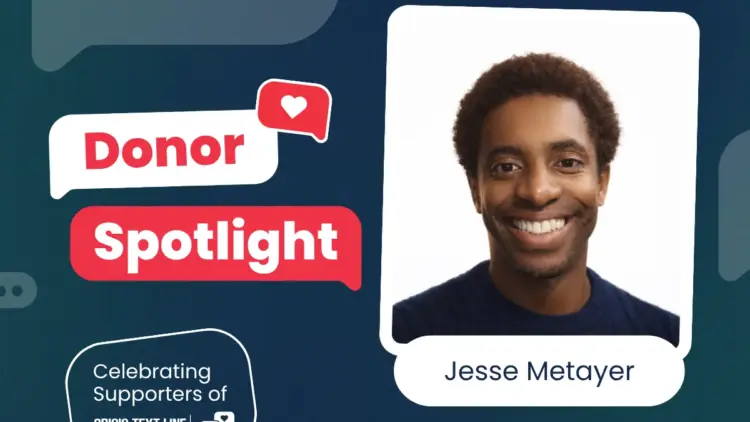
Every text message received by a crisis intervention service is answered because someone believed the connection mattered enough to make it possible. For many individuals facing their darkest moments, that vital lifeline is kept open through the dedication of donors, volunteers, and mental health advocates. This month, the spotlight shines on Jesse Meyer, whose ongoing generosity and active participation help train the Crisis Counselors who show up for texters when they need it most.
Through his own lived experiences, Meyer has broken down personal stigmas regarding mental health, learned how to de-escalate high-stress situations, and discovered a profound sense of purpose in simply being present for others. His journey from personal isolation to community advocacy illustrates the transformative impact that empathy, active listening, and accessible mental health resources can have on individuals and communities alike.
Overcoming Stigma and Finding a Path Forward
Meyer’s commitment to mental health advocacy is deeply rooted in his personal history. Reflecting on his formative years, he recalls spending much of his childhood feeling different from his peers. Throughout school, he was placed in learning disability classes and constantly tried to hide how difficult everyday tasks and academic challenges were for him.
The weight of those struggles eventually took a toll. After dropping out of college at the age of 18, Meyer began to isolate himself from friends and family. In what he describes as his darkest moment, he felt as though there was no hope left. Facing overwhelming emotional distress, he finally decided to reach out for help—a decision that fundamentally altered the trajectory of his life.
When he entered therapy, his therapist listened with empathy and provided the emotional support and practical resources he needed to improve his mental health. That positive experience demonstrated the vital importance of seeking professional help during times of crisis.
Before that turning point, Meyer admits he held a common misconception about mental health care. He used to believe that therapy was exclusively for people dealing with severe mental illnesses. Recognizing that this stigma is entirely untrue, he now understands that anyone, at any given moment, can experience difficulties in life and benefit from professional guidance.
Transforming Crisis Moments Through Training and Empathy
Meyer’s dedication to Crisis Text Line extends far beyond financial contributions. As an active volunteer, he underwent a rigorous free six-week training program designed to equip Crisis Counselors with essential emotional techniques. He has since applied those tools directly when interacting with texters reaching out for assistance.
By utilizing the communication and de-escalation strategies learned during his training, Meyer has repeatedly experienced the power of turning high-stress encounters into constructive dialogues. He notes that it is possible to take what begin as "hot moments" in initial conversations and transform them into "cool moments," ultimately guiding texters to a place of emotional empowerment by the end of their chats. For Meyer, knowing that he can make a tangible difference in someone else’s life during their hour of need provides a profound sense of satisfaction.
Supporting mental health initiatives holds immense personal significance for Meyer, particularly because emotional distress is often hidden in plain sight. People suffering from acute pain are frequently the individuals we come into contact with in our daily lives. Through his training, Meyer has learned how to approach these brave individuals with patience and critical thinking. He emphasizes that listening is a learned skill that goes beyond merely hearing words; it requires a deep understanding of a person’s underlying emotions and immediate needs.
The Mutual Benefits of Community Advocacy
The impact of volunteer work often extends both ways, profoundly influencing the life of the person offering support as well as the recipient. For Meyer, being there for texters reassures individuals that they can reach out at any time of day or night for immediate, free support. Hearing expressions of gratitude from texters at the end of a conversation provides him with a deep sense of validation, self-worth, and gratitude. By simply being present and listening with compassion, he helps people navigate difficult times, which serves as his primary motivation for continuing to volunteer.
Prioritizing Crisis Text Line within his philanthropic efforts stems from his firm belief in the organization’s mission and accessibility. The platform provides free, round-the-clock mental health support to anyone in need. Through his involvement, Meyer has not only strengthened his own listening skills and empathy but has also benefited from the guidance of readily available coaches and supervisors who answer questions and provide continuous support.
Giving back has also transformed how Meyer manages his personal and professional life. When faced with emotional distress, he has learned never to make decisions while his emotions are running high. Slowing down helps clear his mind and strengthens his critical thinking skills, a practice he now applies to stressful situations in his own life. Furthermore, volunteering has taught him the importance of listening before judging, helping him see the full picture and preventing misunderstandings when interacting with friends and family.
Sustaining Hope and Personal Well-Being
When considering others who might be thinking about donating to or volunteering with Crisis Text Line, Meyer offers a clear perspective on the broader impact of such contributions. Donors help individuals dealing with disasters, systemic poverty, war, and other severe hardships. By keeping the platform entirely free, financial supporters ensure that those who need emotional help the most can receive assistance that would otherwise be financially out of reach. Donors serve as the backbone that keeps the platform active 24 hours a day, seven days a week. For anyone currently struggling, Meyer shares a reassuring message: you are never alone, and reaching out is always the first step toward hope.
To maintain his own mental health and well-being, Meyer relies on a balanced routine. He tends to his mental and spiritual health by attending church, volunteering for Crisis Text Line, and working on personal projects such as the StarTalk app, which brings him joy and tranquility. Additionally, he prioritizes physical well-being by going to the gym and taking long, reflective walks in local parks.