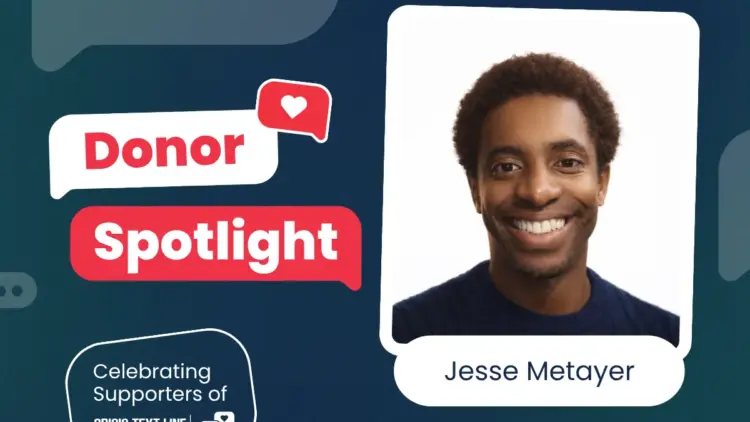
Every text message received by crisis intervention services is answered because someone believed it mattered enough to make that connection possible. For Crisis Text Line, that vital link is sustained through the dedication of donors, volunteers, and advocates who ensure that individuals facing their darkest moments are never truly alone. This month, the spotlight shines on Jesse Meyer, whose multi-faceted commitment as both a financial supporter and a trained Crisis Counselor helps keep free, 24/7 mental health support accessible to anyone in need, anywhere and at any time.
Meyer’s journey toward becoming a pillar of mental health advocacy is deeply rooted in his own personal history and a hard-won understanding of emotional distress. Reflecting on his formative years, Meyer shares that he spent a significant portion of his childhood feeling fundamentally different from his peers. Throughout school, he was placed in learning disability classes and expended considerable emotional energy trying to hide how difficult everyday academic and social challenges were for him.
The weight of these struggles ultimately caught up with him. At the age of 18, Meyer dropped out of college and began isolating himself from the world around him. In what he describes as his darkest moment, a pervasive sense of hopelessness took hold. Recognizing that he could not navigate the profound despair alone, he made the courageous decision to reach out for help—a turning point that fundamentally altered the trajectory of his life.
Through professional therapy, Meyer encountered an environment defined by empathy rather than judgment. His therapist listened attentively, offering crucial emotional support and practical resources that enabled him to rebuild his mental well-being. This formative experience taught him a vital lesson about the importance of seeking professional intervention when emotional pain feels insurmountable. It also dismantled a harmful misconception he had previously held: that therapy was exclusively reserved for individuals dealing with severe mental illnesses. Meyer now recognizes that this stigma is entirely untrue, emphasizing that anyone, at any given moment in their life, can experience unexpected difficulties and deserve compassionate care.
Driven by the transformative impact of his own therapy, Meyer sought a way to pay that support forward. He completed Crisis Text Line’s rigorous six-week training program, equipping himself with evidence-based emotional de-escalation techniques designed to stabilize individuals in acute distress. As an active volunteer Crisis Counselor, he has repeatedly put these skills into practice during live conversations with texters facing severe crises.
Meyer describes the profound satisfaction of guiding a texter through what he calls "hot moments"—instances of intense emotional turbulence, panic, or despair—and successfully transforming them into "cool moments" by the end of the exchange. By providing a safe, nonjudgmental space and listening with deep intention, he helps guide texters to a place of personal empowerment before the conversation concludes.
For Meyer, the importance of supporting mental health initiatives like crisis intervention extends far beyond individual interactions. He notes that individuals suffering from emotional distress are often the people we encounter in everyday life without realizing the silent battles they are fighting. Being trained to support these brave individuals means knowing how to listen effectively—a skill that requires patience, critical thinking, and a genuine effort to understand another person’s words, emotions, and underlying needs.
The reciprocal nature of this work has left a lasting impression on his personal and professional worldview. When texters express their gratitude at the end of a conversation, Meyer experiences a deep sense of validation, self-worth, and shared humanity. Simply being present and listening with compassion has proven to be a powerful antidote to suffering, reinforcing his ongoing dedication to volunteering.
Beyond his time on the platform, Meyer’s philanthropic giving is anchored in the belief that systemic barriers to mental health care must be actively dismantled. Crisis Text Line provides free, 24/7 support to people navigating disasters, systemic poverty, war, and a wide array of other profound hardships. By ensuring that help remains entirely free, donors and volunteers act as the backbone of a platform that bridges the gap for individuals who would otherwise lack access to vital emotional assistance due to financial constraints.
The rigorous training he received as a volunteer has also transformed how Meyer manages stress and interpersonal relationships in his daily life. Working alongside supportive coaches and supervisors taught him the value of slowing down during emotionally charged situations. By refusing to make impulsive decisions when emotions run high, he has strengthened his own critical thinking skills and patience. This deliberate approach has enhanced his ability to navigate personal stress and listen more deeply to friends and family without rushing to judgment, ensuring he understands the full picture before reacting.
Maintaining his own mental health remains a daily priority for Meyer. He actively nurtures his well-being through his faith by attending church, dedicating time to volunteering, and focusing on personal creative endeavors such as developing the StarTalk app, which brings him a deep sense of joy and tranquility. He also stays grounded by visiting the gym and taking long, reflective walks in local parks.
For anyone considering supporting Crisis Text Line through donations or volunteering, Meyer offers a straightforward and encouraging message. He emphasizes that contributors are directly sustaining a lifeline for people enduring unimaginable hardships, while also keeping essential emotional support accessible to anyone who cannot afford professional care. Most importantly, he wants anyone who might be struggling to know a fundamental truth: you are never alone, and reaching out for help is always the courageous first step toward hope.