As students return to classrooms across the country, educators are increasingly focusing on a critical set of cognitive abilities that often dictate whether a school year begins with seamless momentum or rocky frustration. Executive functioning skills—which encompass planning, organization, time management, working memory, and self-control—form the invisible scaffolding of daily academic and social life. When students possess a strong foundation in these areas, they navigate the complexities of the school day with relative ease. Conversely, learners who struggle with these competencies frequently face overwhelming stress, whether they are losing vital assignments or finding themselves disoriented in the hallways.
Recognizing these challenges, teachers and school administrators are moving away from the assumption that these skills are innate. Instead, educational experts emphasize that executive functioning abilities can be intentionally modeled, built, and strengthened from the very first day of the academic term through targeted classroom practices.
Why Executive Functioning Skills Matter for Back-to-School Success
Executive functioning skills are the mental processes that enable individuals to plan, focus attention, remember instructions, and successfully juggle multiple tasks. While these cognitive tools are essential year-round, the back-to-school transition period plays a uniquely vital role in establishing long-term academic habits. Implementing structured, executive functioning-focused strategies early on provides children and teenagers with the necessary framework to manage academic demands independently.
Without this foundation, students often experience cognitive overload. Experts note that when learners do not know how to independently organize their materials, initiate tasks, or calm themselves during moments of stress, the entire learning environment is affected. By proactively addressing these skills at the start of the year, educators can significantly reduce classroom anxiety and foster greater resilience among students of all age groups.
Developing Routines and Explicit Instruction
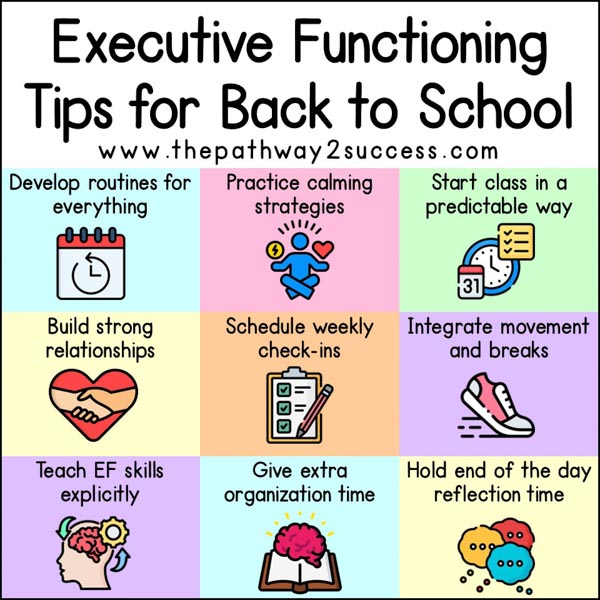
One of the primary approaches utilized by educators involves establishing clear, predictable routines for virtually every classroom activity. Educational specialists point out that students cannot be expected to follow behavioral or academic expectations if those guidelines have not been explicitly taught and practiced. Teachers typically begin by outlining regular daily activities and designing straightforward, step-by-step procedures for each task.
Rather than introducing a routine once and moving forward, successful classrooms rely on repeated practice until the processes become second nature. Beyond simply managing classroom flow, this consistent structure naturally reinforces underlying executive functioning capabilities, including organization, planning, self-control, and sustained attention.
In tandem with routines, educators are advocating for the explicit teaching of executive functioning skills. Just as schools dedicate specific instructional time to mathematics, reading, and writing, advocates argue that cognitive skills like perseverance, emotional regulation, and attentional control require direct instruction. Utilizing comprehensive, year-long curricula allows teachers to integrate lessons on these topics directly into their existing instructional frameworks rather than treating them as separate subjects.
Integrating Cognitive Strategies Across Curriculum and Classrooms
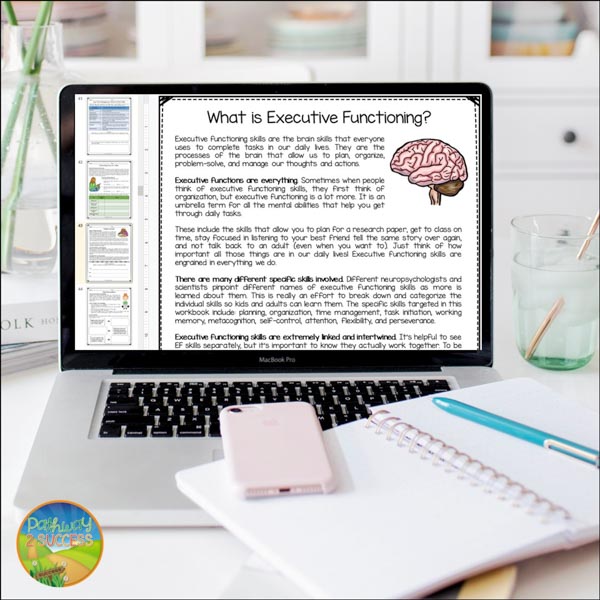
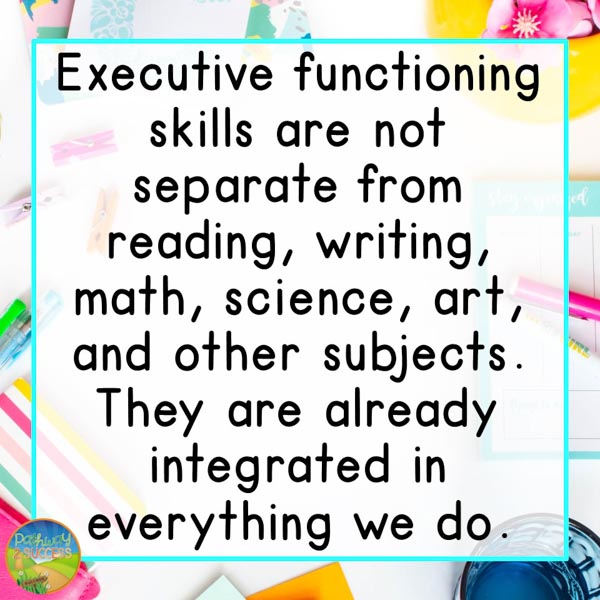
Executive functioning is not isolated to a single period or subject; rather, it is embedded in everything students do throughout the school day. Educators are finding success by weaving executive functioning strategies into traditional academic content, such as math, science, and literature. For instance, planning a multi-step research paper or working through complex scientific inquiries naturally requires working memory, cognitive flexibility, and strategic planning.
Creating an organized physical environment is another cornerstone of this approach. An orderly classroom helps students visualize organization, reduces sensory distractions, and provides a clear model for how they should manage their own personal workspaces. Teachers often involve students directly in this process, teaching them where specific materials belong and establishing collaborative habits for maintaining classroom cleanliness.
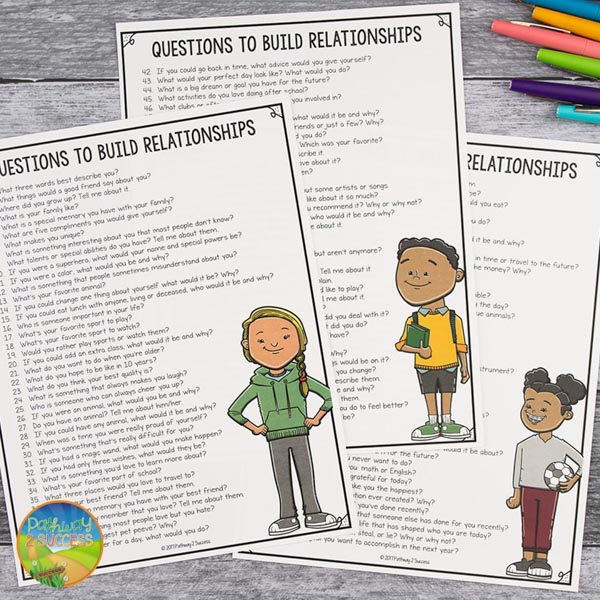
Furthermore, building strong interpersonal relationships within the school community remains a vital component. When students feel connected to both their teachers and their peers, they are significantly more open to taking healthy academic risks, accepting constructive feedback, and working collaboratively through challenging assignments. Educators frequently utilize structured conversation prompts and community-building activities to strengthen these social bonds early in the term.
Managing Stress, Movement, and Daily Rhythms
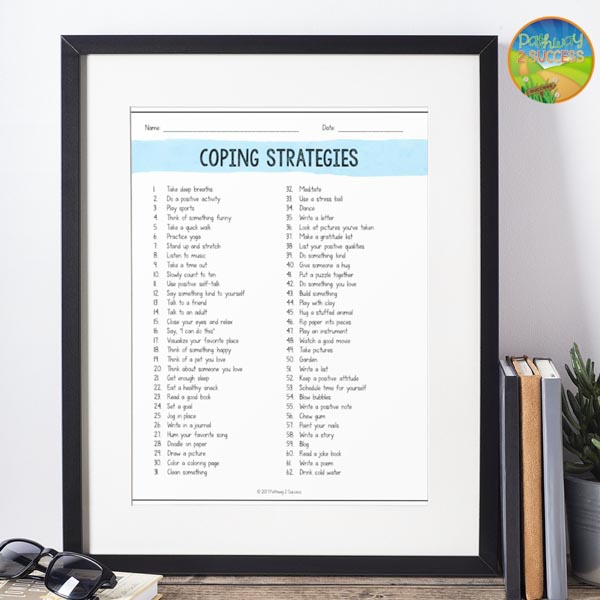
A calm mind and body are prerequisites for optimal learning, yet many children and teens struggle to identify healthy ways to manage stress and overwhelm. To combat this, classrooms are increasingly prioritizing evidence-based calming strategies from day one. Techniques such as deep breathing exercises, mindfulness breaks, and guided grounding activities are integrated into daily routines to help students regulate their emotions before academic challenges arise.
Alongside emotional regulation, physical movement is being recognized as an essential component of focus rather than merely a reward for good behavior. Integrating movement into lessons—such as station rotations during writing exercises or active participation during review games—helps students maintain engagement and supports self-regulation.
Predictability also anchors the daily schedule. Starting the morning with a structured, consistent routine reduces cognitive fatigue, freeing up mental energy for complex learning tasks. Whether through motivational bell-ringers, reflective writing prompts, or previewing schedule changes well in advance, predictable patterns help students transition smoothly into academic mode.
Reflection, Self-Monitoring, and Ongoing Support
As students navigate the academic year, educators are incorporating regular reflection and self-monitoring practices to help learners track their own progress. Strategy shares—where students explain and discuss the specific methods they used to solve a problem—empower learners to take ownership of their education while learning from their peers.
Individualized weekly or bi-weekly check-ins allow teachers to proactively conference with students, ensuring they understand course material, utilize effective organizational tools, and stay aligned with their personal goals. By examining work samples and discussing which strategies are working, educators can offer timely interventions before minor challenges escalate.
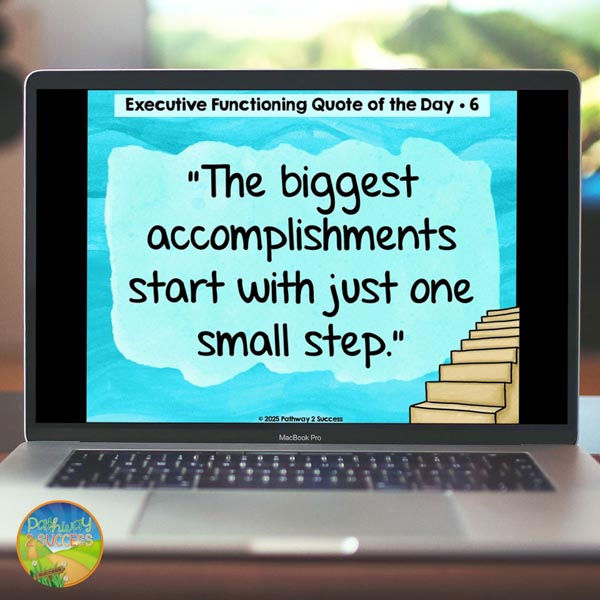
Ultimately, fostering executive functioning skills requires immense patience from both educators and students alike. As schools continue to prioritize these foundational competencies, celebrating small victories and maintaining a flexible, supportive environment remains central to helping every learner succeed throughout the academic year.