When federal safety regulations intersect with everyday accessibility, the results can sometimes create unexpected hurdles for the very people who rely on essential medical and assistive devices. For many members of the hearing loss community, the introduction of strict child-safe packaging for small batteries brought an important layer of safety, but it also introduced significant usability challenges. Recently, however, there are encouraging signs that major manufacturers are listening to these consumer concerns and taking meaningful steps to bridge the gap between rigorous child safety and everyday accessibility for older adults.
At the American Academy of Audiology (AAA) annual convention held in April, Energizer’s Rayovac brand showcased a newly developed line of hearing aid battery packaging explicitly designed to be more senior-friendly. While consumers still need to use a cutting tool to open the packs, this notable update demonstrates that manufacturers and large corporations are beginning to respond when customers speak up about the practical difficulties they face in their daily lives. This development highlights a growing recognition within the industry that regulatory compliance and practical usability do not have to be mutually exclusive goals.
The underlying shift in packaging standards dates back to March 2024, when child-resistant packaging officially became a federal requirement for zinc-air button cell hearing aid batteries. The primary impetus behind this regulatory change was to prevent accidental ingestion by curious young children, addressing critical safety concerns outlined by the Consumer Product Safety Commission (CPSC) under the federal legislation known as Reese’s Law. The statute was designed to mitigate the severe internal health risks associated with swallowing small, powerful coin and button cell batteries, which can cause catastrophic internal injuries if ingested.
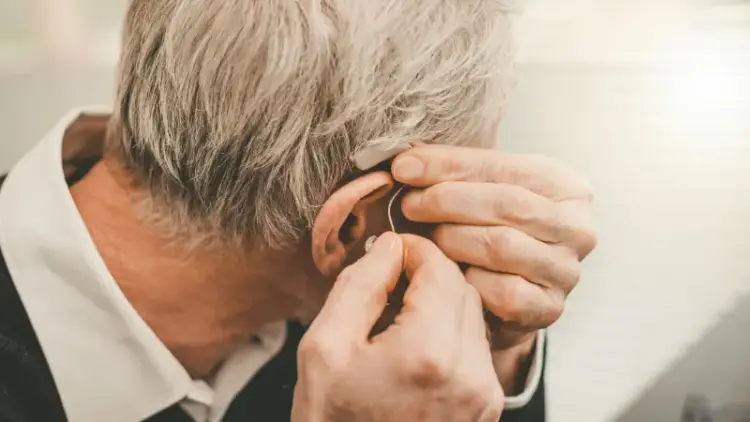
A key provision mandated by this federal law stipulates that any battery compartments containing replaceable button cell or coin batteries must be secured in a manner that requires either the use of a tool or at least two independent and simultaneous hand movements to open. While this standard provides a vital safeguard for households with young children, it inadvertently created a major barrier for countless hearing aid users. Many individuals who rely on these devices—particularly older adults, as well as those living with arthritis, hand tremors, neuropathy, low vision, or limited overall hand strength—found themselves struggling intensely just to open standard retail battery packaging that complied with the new federal mandates.
For individuals facing dexterity challenges, dealing with heavily secured, tool-dependent packaging is far more than a minor daily inconvenience. The physical barriers imposed by these designs can create significant obstacles that impact a person’s independence and quality of life. When packaging requires complex manipulations or specialized tools that are difficult to handle, users may experience extreme frustration, physical pain, or prolonged delays in changing vital hearing aid power sources. In more severe cases, the difficulty of accessing batteries can lead to prolonged periods without functional hearing amplification, which directly affects an individual’s ability to communicate, stay aware of their environment, and remain socially engaged. Furthermore, struggling with rigid materials can inadvertently increase the risk of dropping and losing tiny batteries, or accidentally damaging the hearing aids themselves during the replacement process.
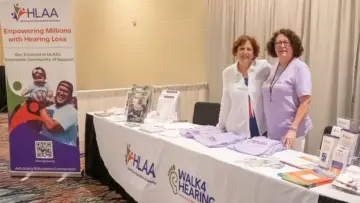
The redesigned packaging solutions unveiled by Rayovac at the AAA convention are intended to address and alleviate many of these frustrating hurdles. Representatives from the Hearing Loss Association of America (HLAA) who attended the event observed that the updated packaging incorporates clearer design elements aimed at making the opening process more intuitive while maintaining the necessary child-resistant safety standards. This careful balance of safety, visual clarity, and product iteration suggests that forward-thinking members of the manufacturing industry are paying closer attention to real-life user experiences, rather than focusing solely on checking compliance boxes for regulatory agencies.
The HLAA has expressed strong support for this industry advancement, viewing it as a positive and necessary step forward in the ongoing effort to ensure that child-resistant packaging does not inadvertently restrict or discourage access to essential assistive devices for the populations who depend on them most. Advocacy groups and consumer representatives hope that this rollout serves as an encouraging model for other manufacturers across the battery and medical device sectors. As the conversation around consumer accessibility continues to evolve, stakeholders look forward to seeing manufacturers and regulatory bodies maintain a collaborative dialogue to refine safety standards in ways that protect children while preserving dignity, independence, and ease of use for older adults and individuals with disabilities.